Garage Door Repair in Waldwick
Garage Door Repair for Waldwick, NJ Homes
Garage door repair in Waldwick, NJ, for houses built around 1957, serviced from two miles away in Wyckoff. Springs, cables, tracks, and openers fixed right.
- Licensed & Insured
- Same-Area Service Calls
- Upfront Pricing
What Happens When You Call
-
1
Call or Request a Quote
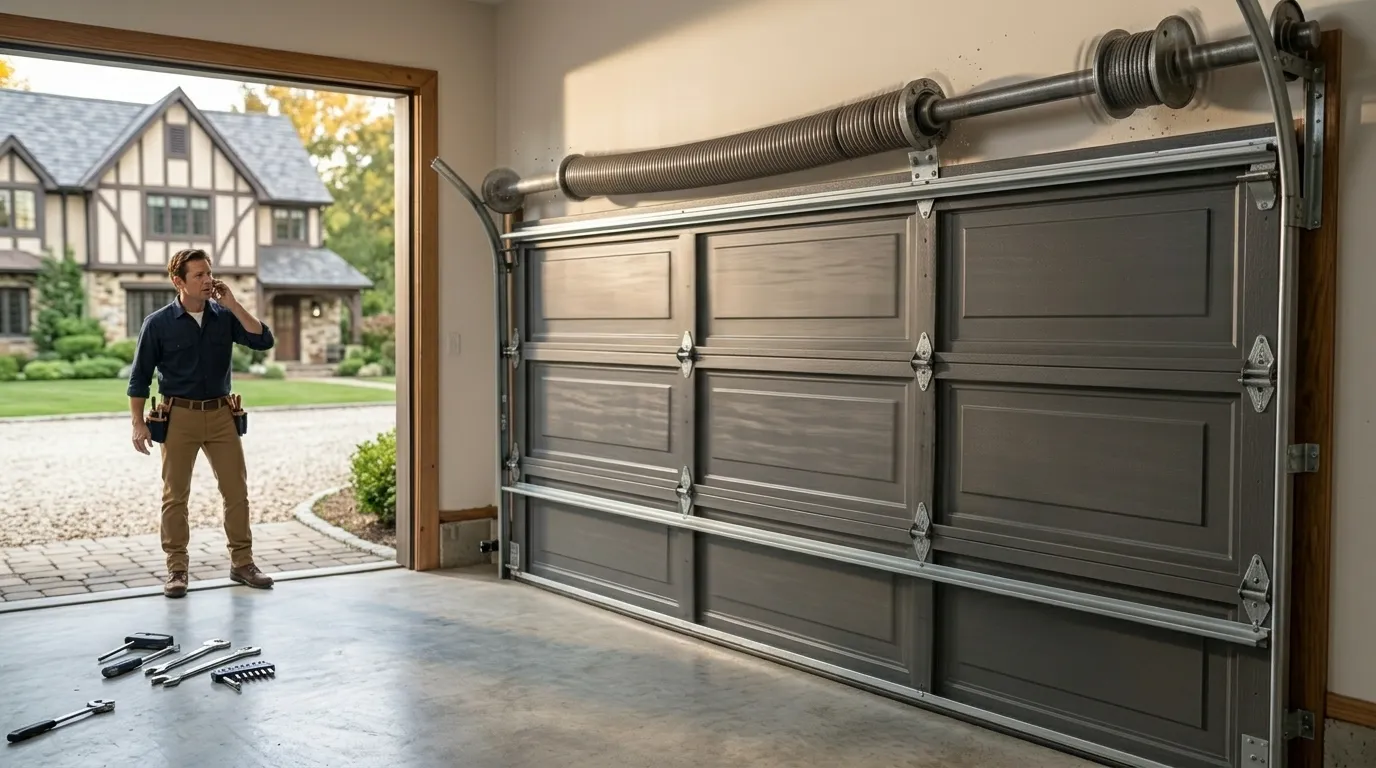
Tell us what the door is doing and roughly how old the house is - that alone points us toward the likely part before a truck leaves.
-
2
On-Site Diagnosis
A tech checks the spring, cables, tracks, and opener in person and tells you plainly what is actually wrong.
-
3
Straight Price, No Surprises
You get a number before any work starts. It covers parts and labor, nothing added after the fact.
-
4
Fixed the Same Visit
Most repairs are done in one trip. If a part needs sourcing, we tell you that upfront instead of guessing.
How Long It Takes
We drive out from Wyckoff, and Waldwick sits about two miles down the road, so travel is never what slows a job down here. What takes time is the diagnosis and the parts. A broken torsion spring or a snapped cable is usually a same-visit fix once we're on site, because those parts are common sizes we carry on the truck.
What can stretch a job out is a door that's original to a 1950s house - if the section, hinge pattern, or track width doesn't match anything current, we may need to source a piece before we can finish. We'll tell you on the spot which category your door falls into rather than guess over the phone. Waldwick's short distance from our shop means we can usually get eyes on a door the same day it's called in, which matters more here than the repair speed itself, since most of what needs doing once we arrive is straightforward bench work: spring replacement, cable swap, roller change, or track realignment.
The two-mile run just means less dead time between the call and the diagnosis.
The Complications
Waldwick's median year built sits at 1957, which puts a large share of the town's garage doors on hardware designed for an era when doors were lighter - often wood panel or thin single-layer steel - and torsion springs were sized accordingly. When a homeowner upgrades to a heavier insulated steel door decades later without upgrading the spring, the new door outweighs the old spring's rating, and that spring fails early and often. The other complication is corrosion.
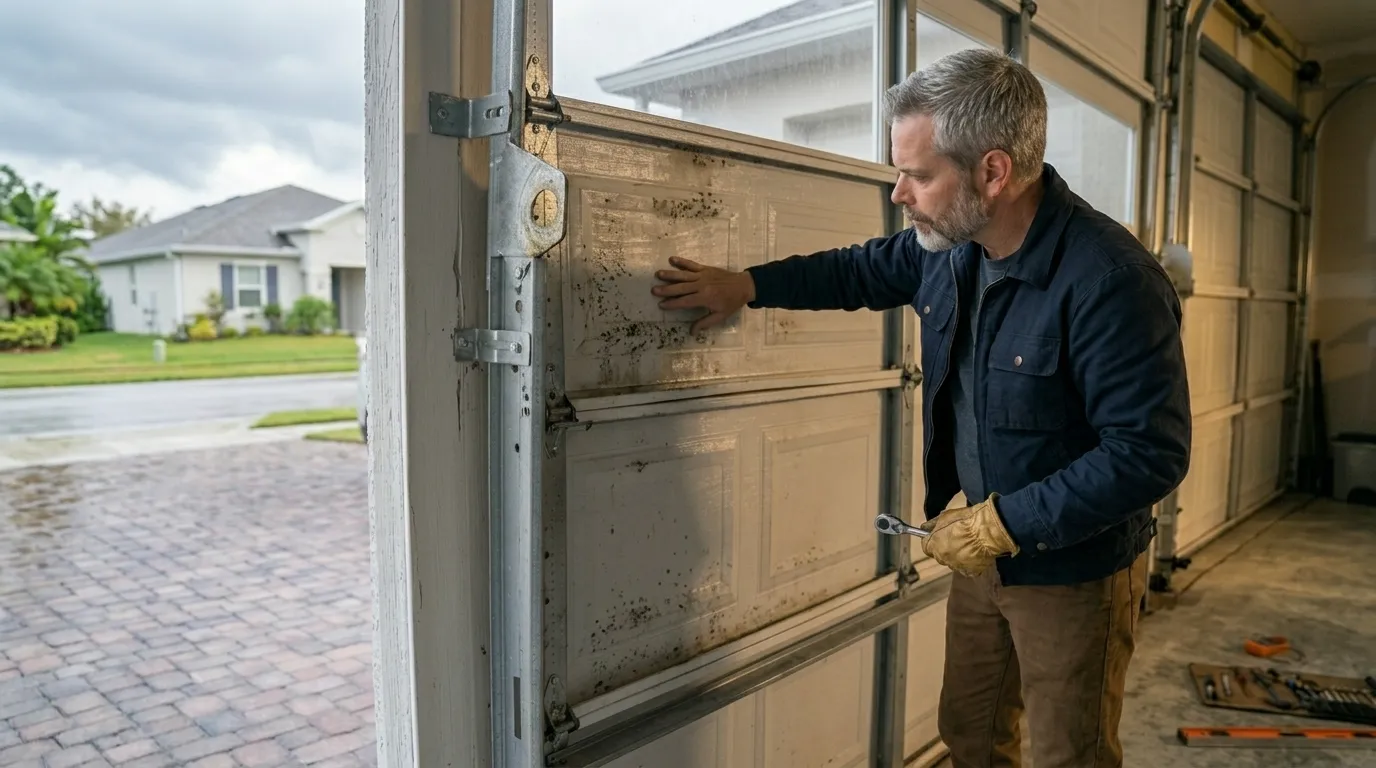
This region sits in a severe cold climate band, and 60-plus years of freeze-thaw cycling on original hardware means cables fray inside their sheaths and torsion bar bearings seize, sometimes without visible warning until the day the door just stops. On some of the oldest doors we also find hinges and end bearing plates that were never galvanized, so what looks like a stuck roller is really rust welding the hinge shut. None of this is unusual for a house this age - it's just the specific failure pattern that shows up when 1950s hardware meets 2020s winters, and it means the fix is rarely a single part.
Why This Fails Locally
The reason Waldwick's repair calls skew toward spring and hardware failure rather than opener electronics comes down to the housing stock. With a median build year of 1957, and most of the town's 3,434 households sitting inside that same narrow construction window, the doors here aged together rather than staggering across decades the way they would in a mixed-era town. That means when one torsion spring on a given street reaches the end of its service life, others on similar houses nearby are often close behind it.
Add the area's severe cold climate band, and you get springs and cables that have gone through six decades of hard temperature swings - well past the design life the original hardware was built for. Compare that to the broader service territory, which spans 921,135 households across a much wider range of build eras, and you can see why Waldwick's calls cluster around a specific set of symptoms instead of spreading evenly across every possible door problem. It's a narrower, more predictable failure pattern, which is useful information going into a job, but it's not one that applies the same way everywhere in the territory.
What You Pay
Waldwick's median household income is $155,526, well above the wider service area's median of $126,221. That gap matters for one decision in particular: whether to repair an aging door or replace it outright. In lower-income pockets of the territory, we see more owners stretch an old door's life with targeted part swaps because a full replacement is a bigger stretch financially.
In Waldwick, that math shifts - once a 1957-era door needs its second or third major repair (a new spring on top of a recent cable or roller job, say), more owners here choose to replace the whole unit rather than keep patching hardware that was never rated for a modern insulated door in the first place. We don't have a price list to quote here, and we won't invent one - every job depends on spring size, door weight, and what's actually failed. What we can say is that the repair-or-replace conversation happens earlier in a town like this than it does elsewhere in the territory, simply because the income supports making that call sooner rather than deferring it.
What the Repair Takes
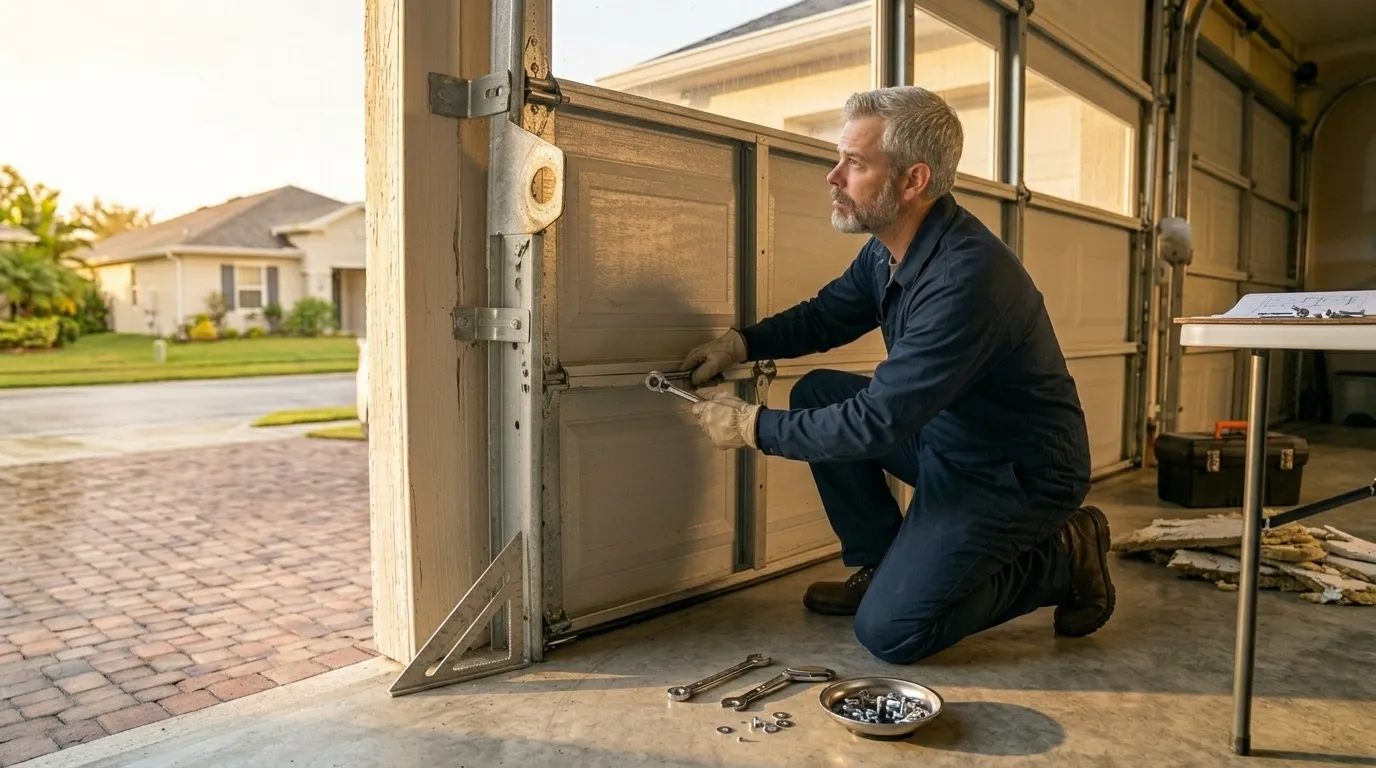
On a typical Waldwick call, we start by checking the door's balance and inspecting the torsion spring, cables, and rollers for the corrosion and wear pattern common to hardware this age. If the spring is undersized for the door's actual weight, we replace it with one matched to the door as it exists now, not as it was rated in 1957. Cables get swapped in pairs, not one at a time, since a cable that's frayed on one side is usually close to failing on the other.
Rollers and hinges get inspected for rust-seizing rather than just lubricated over, because on original hardware, oil on a seized bearing buys a week, not a fix. If the track is bent or the door is binding on one side, we realign it before touching the spring tension, since balancing a door on a bad track just guarantees another call. One honest limit: if the door itself has warped panels or delaminating wood from decades of moisture exposure, no spring or cable fix solves that, and we'll say so rather than sell a repair that won't hold.
How It Shows Up
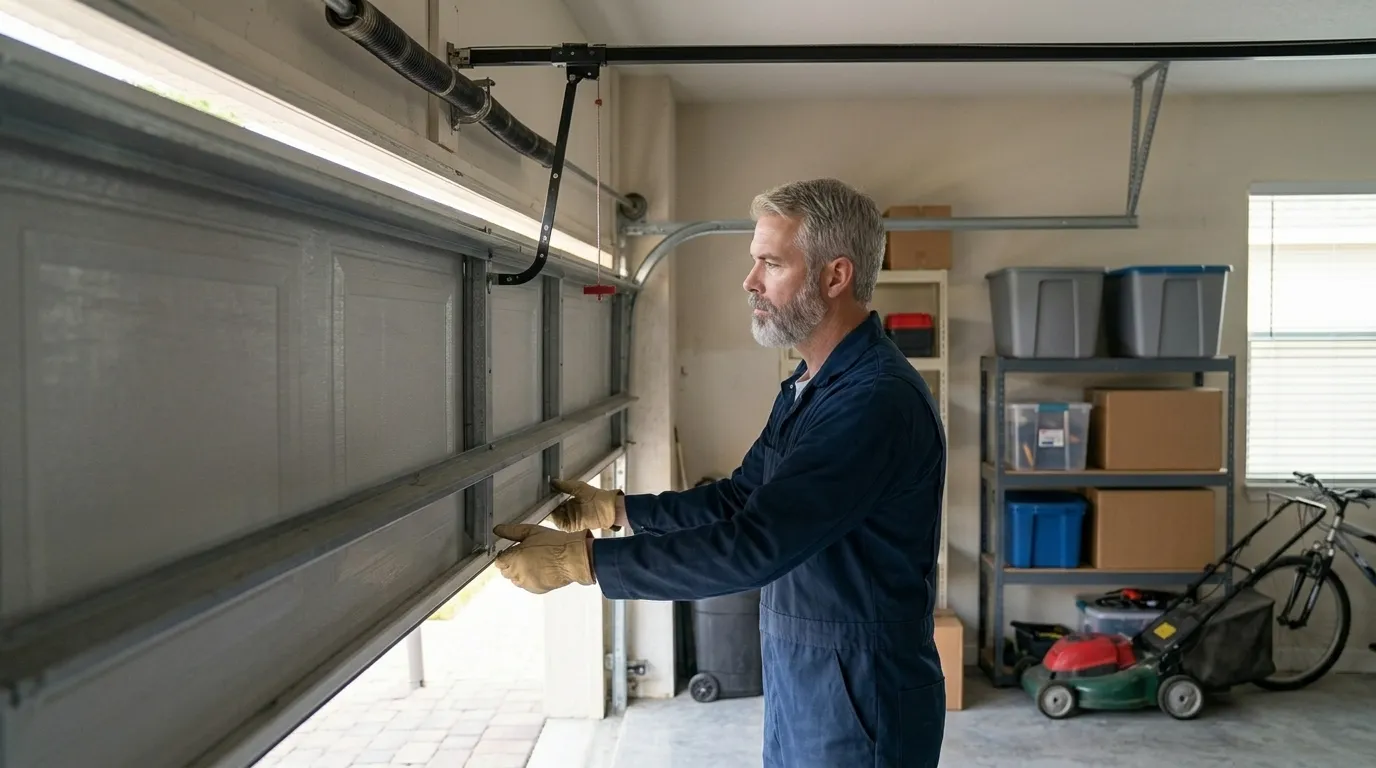
Most calls from Waldwick start with a door that won't stay up on its own, or one that slams down instead of lowering smoothly - both classic signs of a torsion spring that's lost tension, common on doors original to the town's 1957 median build year. Others report a loud bang from the garage followed by the door refusing to move at all, which is almost always a snapped cable or a broken spring, not the opener. In colder months, we get more calls about a door that grinds or sticks partway up, which tracks with the severe cold climate band this region sits in - stiff or rusted rollers and hinges resist moving until they warm up, then finally give.
Less common but not rare here: a door that runs on one side and drags on the other, usually a track knocked out of alignment by decades of thermal expansion and contraction in the framing. If your door is doing any of these, it's worth having it looked at before the imbalance puts extra strain on the opener too.
Talk to a Waldwick Technician First
Describe what the door is doing and get a straight answer on what it likely needs.
Other Garage Door Services in Waldwick
Recent Work in Waldwick
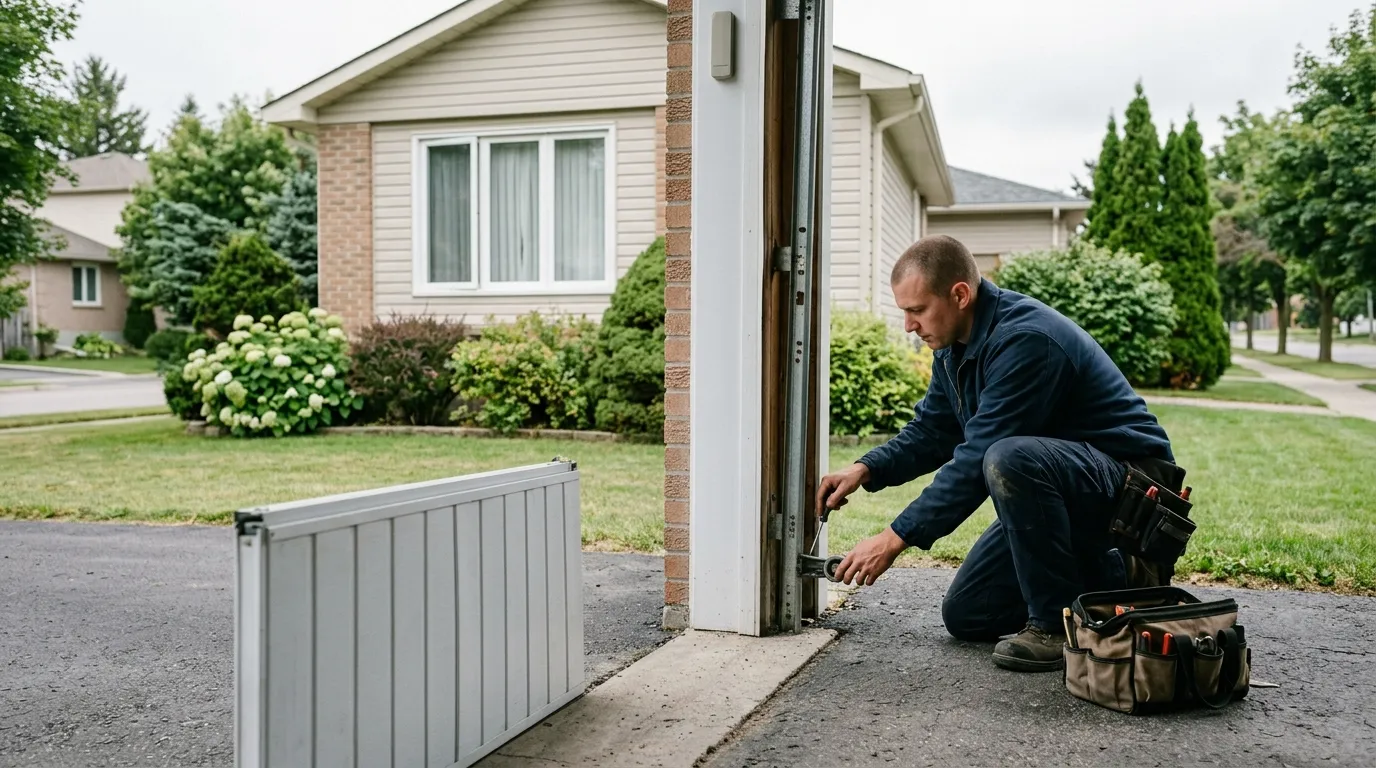
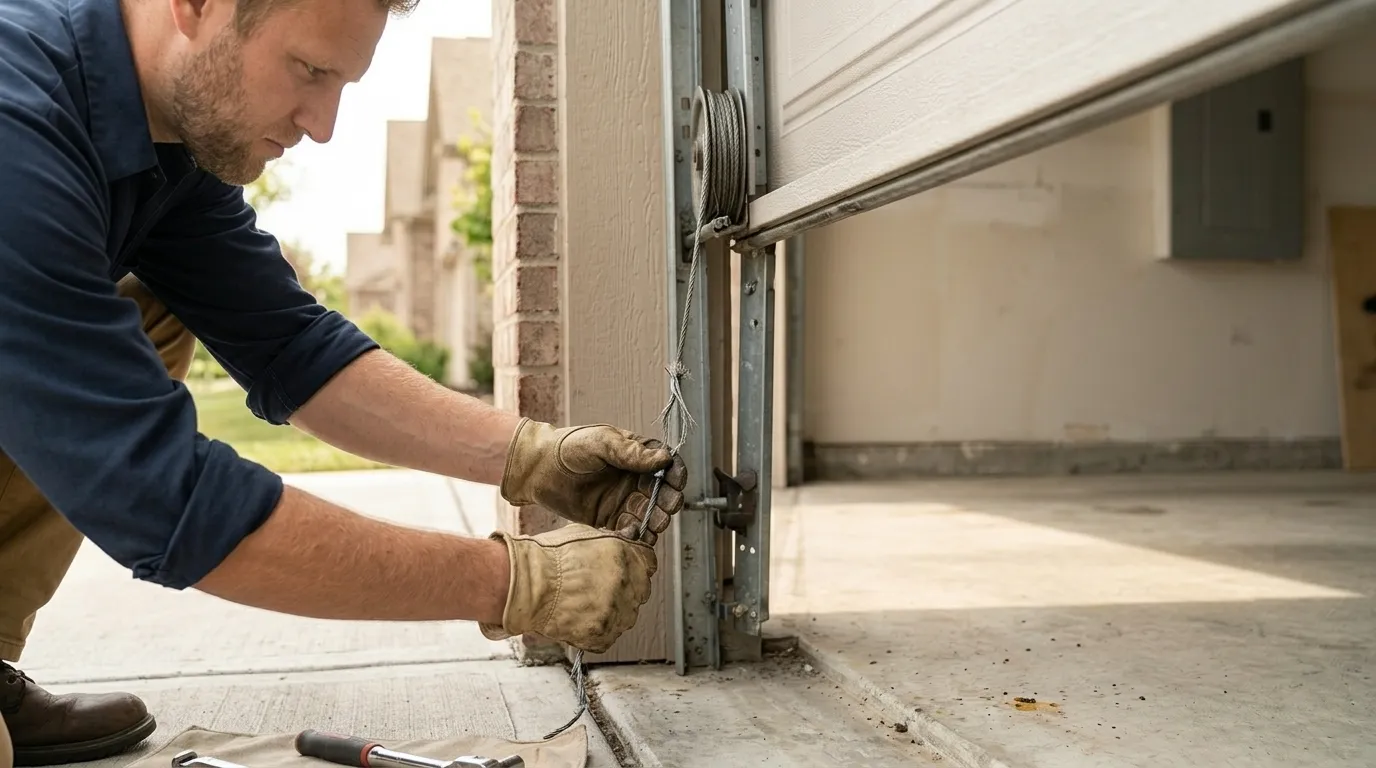
A look at jobs our crew has been on nearby.
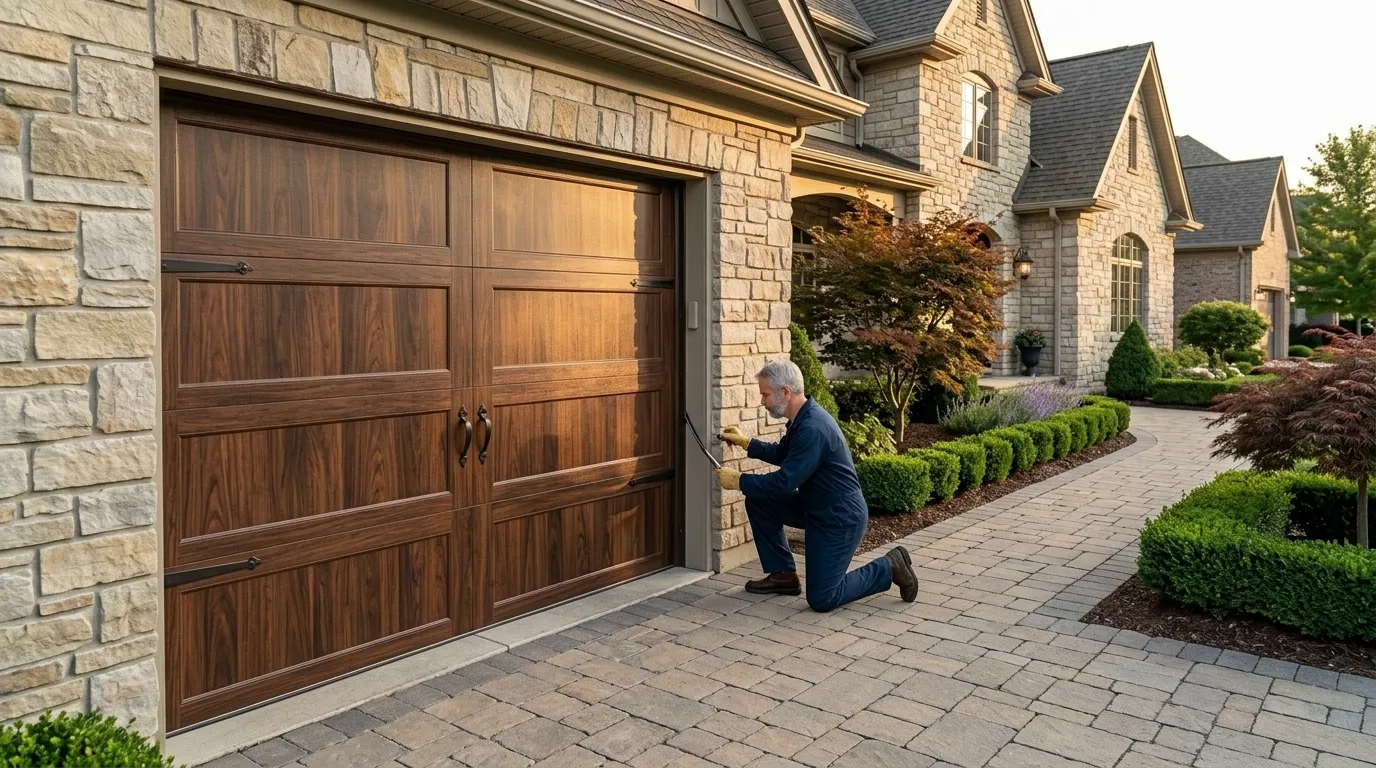
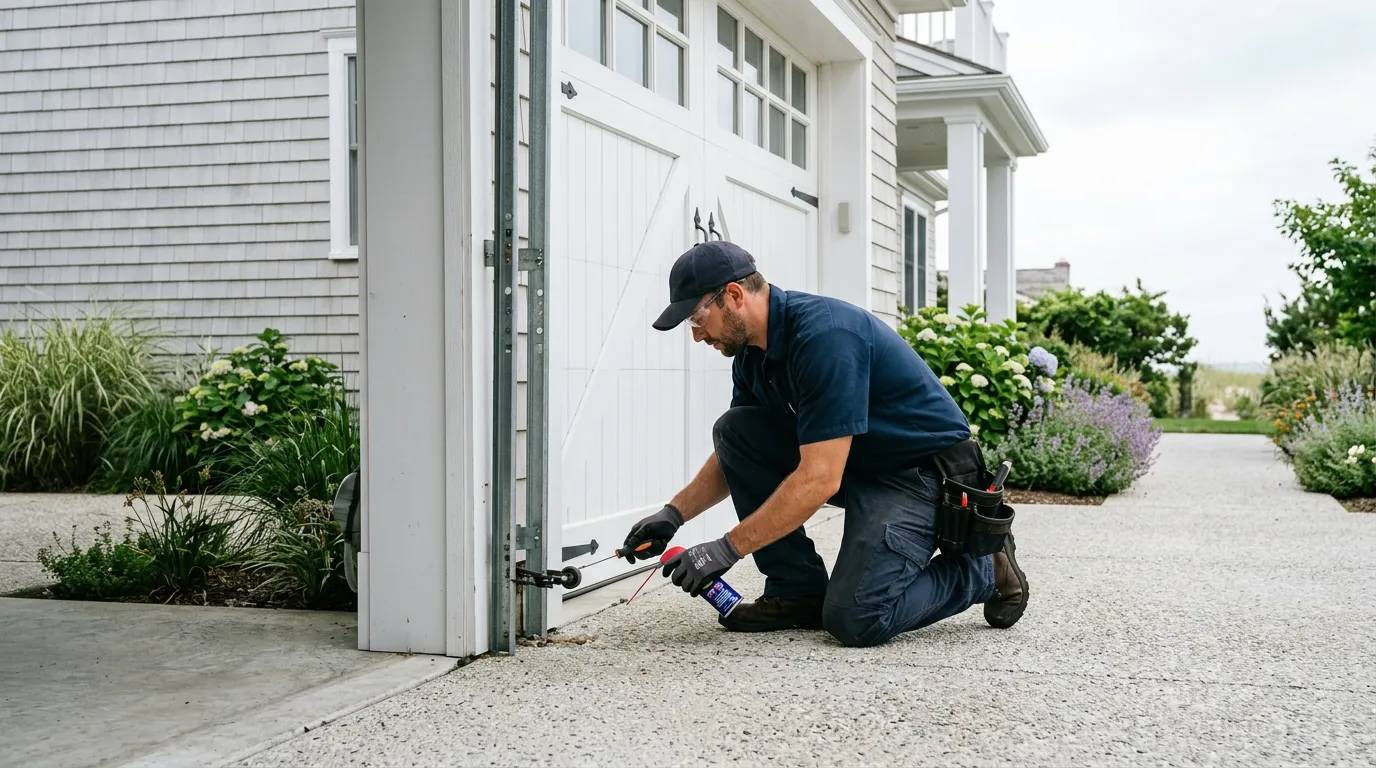
Why Waldwick Calls Us
Frequently Asked Questions
Why does my Waldwick garage door feel heavier to lift than it used to?
Most likely a torsion spring that's losing tension, which is common in doors from this era. The spring was sized for the original door weight, and decades of cold-weather cycling wear it down gradually until lifting by hand becomes noticeably harder. It rarely fixes itself and gets worse, not better, over time.
Is it worth replacing an old 1950s-era door instead of repairing it again?
Depends on what's failed and how many times. If you're on a second or third major repair to the same original door, replacement often makes more sense financially in a town like Waldwick, where the income supports that choice sooner. We'll tell you honestly which side of that line your door sits on before recommending either.
How far out is Waldwick from your shop?
About two miles from our Wyckoff location. It's a short drive, so travel isn't the bottleneck on a job - what determines timing is usually whether we have the exact part on the truck or need to source a piece for an older, non-standard door.
Does cold weather actually cause garage door problems, or is that overstated?
It's real here. This area sits in a severe cold climate band, and repeated freeze-thaw cycles stiffen rollers, seize hinges, and stress springs faster than they'd wear in a milder climate. Combined with 1950s-era hardware, that's a big part of why winter calls spike.
Need Garage Door Repair in Waldwick?
Call now for straight answers on cost and timing.