Wyckoff Garage Door Guide
Openers and Power Cuts: What Wyckoff Homeowners Actually Deal With
Wyckoff's housing stock dates mostly from the 1950s-70s, and the cold winters here are hard on garage door openers and backup batteries. Here's what actually fails, and when.
- Licensed & Insured
- Same-Area Service Calls
- Upfront Pricing
When to Call Someone
If your opener runs the motor but the door doesn't move, or moves a few inches and reverses, that's usually the travel limits or a failing capacitor, not something to keep testing on your own. In a lot of Wyckoff houses built in the 1950s and 60s, the opener itself has been swapped once already, but the wiring and wall button are original - cracked insulation on old low-voltage wire is a real failure point we still find. Call before you keep hitting the button: repeated tries on a struggling motor burn it out faster, and you turn a $200 fix into a full opener swap.
A power cut is different. If the power comes back and the door won't respond to the remote or wall switch at all, check whether the opener's own light comes on - no light usually means a tripped breaker or a dead outlet, not the opener.
If the light's on and the door still won't move, the logic board took a hit from the outage, which happens more than people expect with older units that have no surge protection built in. That's worth a call, not a guess.
One thing we won't do: rewire your home's electrical panel or add a dedicated circuit. That's an electrician's job. We deal with the opener and the door side of the outlet, not what feeds it.
The Situation
Housing in this area runs from 1938 to 1996, with the median landing around 1960, and most of the stock across the 124 named areas we work in is 1960s-70s construction. That matters for openers specifically: a house built in 1962 has had, realistically, two or three openers in its life, and whoever installed the second one usually reused the original wall switch and sometimes the original wiring path through the garage ceiling. That old wiring is thinner-gauge and more brittle than what goes in today, and it's the first thing to fail after a power surge or a hard freeze cracks the insulation.
Battery backup is the other piece. It wasn't standard equipment until fairly recently, so a lot of these older-stock openers have none - if the power goes out, the door is stuck until someone pulls the manual release and lifts it by hand.
That's fine for an afternoon outage. It's a real problem if you're gone at work and the power drops for six hours.
We're not going to tell you every opener in Wyckoff needs replacing. Plenty of 15-year-old units are still solid. But if you're on original wiring from a 1960s build and you've never had a battery backup added, that's the gap worth closing before winter, not after the first outage.
Season by Season
This area sits in a cold, severe winter climate band, and that's the season that actually breaks openers - not heat, not humidity. Cold makes grease in the drive gear stiffen up, which puts more load on the motor every single cycle, and a motor that's already tired from age fails faster under that load. If your opener has a battery backup, cold cuts its runtime hard; a battery rated for several hours of outage protection can drop to a fraction of that once temperatures fall, so don't assume backup power means all-day coverage in January.
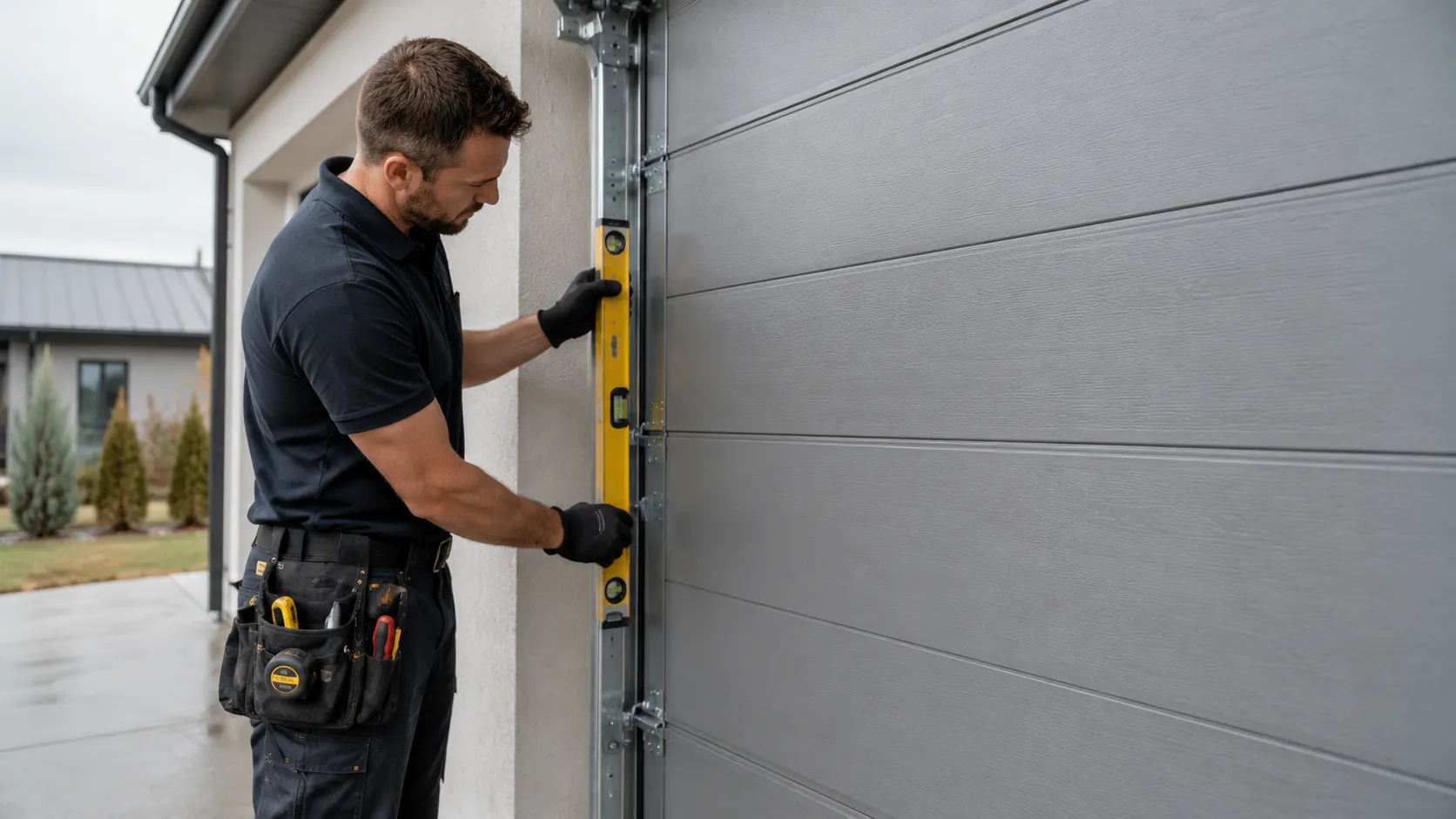
Freeze-thaw cycles also work on the sensor brackets at the bottom of the track - the little photo-eye sensors that stop the door from closing on something. Ice buildup or a bracket that's shifted from ground movement over a cold winter throws the alignment off, and the door refuses to close, or closes and reopens for no obvious reason. That's an alignment problem, five minutes with a level, not a motor problem.
Spring and fall are steadier - this is when we'd actually recommend testing your backup battery and checking the wall switch wiring, before the next cold stretch hits and you find out the hard way that the backup doesn't hold a charge anymore.
How Local Conditions Play In
Median household income in the service area runs a bit over $126,000, and with 291,433 owner-occupied houses across the towns we cover, we see a fair number of people upgrading openers proactively rather than waiting for a failure - adding battery backup, swapping a decades-old chain-drive unit for something quieter with surge protection built in. That's a reasonable move given the housing age here, but it's not free, and we won't tell you it's urgent if your current setup is working fine.
What we will flag: if you're in one of the older homes from the 1938-1996 build window and you've had more than one unexplained power-related opener failure, the pattern is usually the original wiring, not the opener itself. Replacing the opener again without addressing that wiring just sets up the next failure. We check the wiring path as part of any opener call for exactly that reason - it's a five-minute look that saves a second service call.
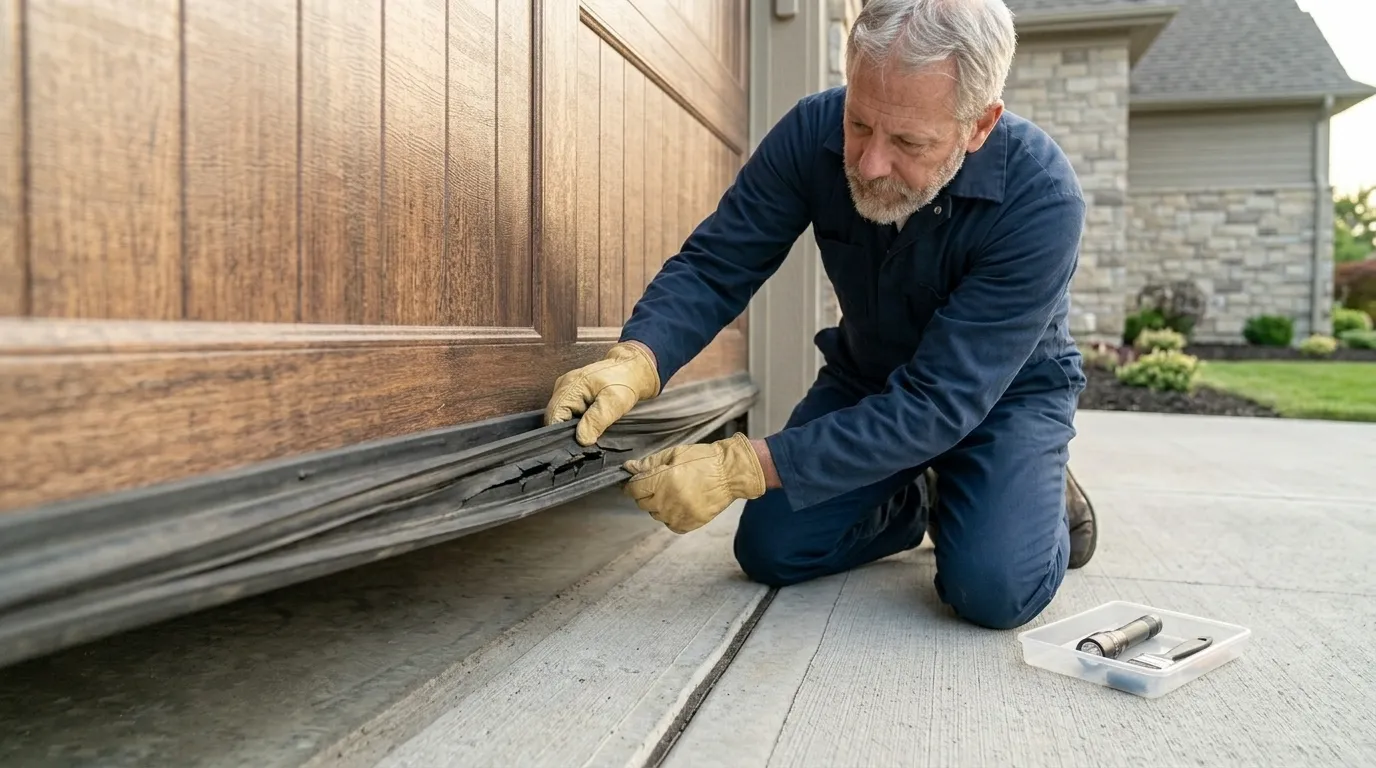
How We Can Help
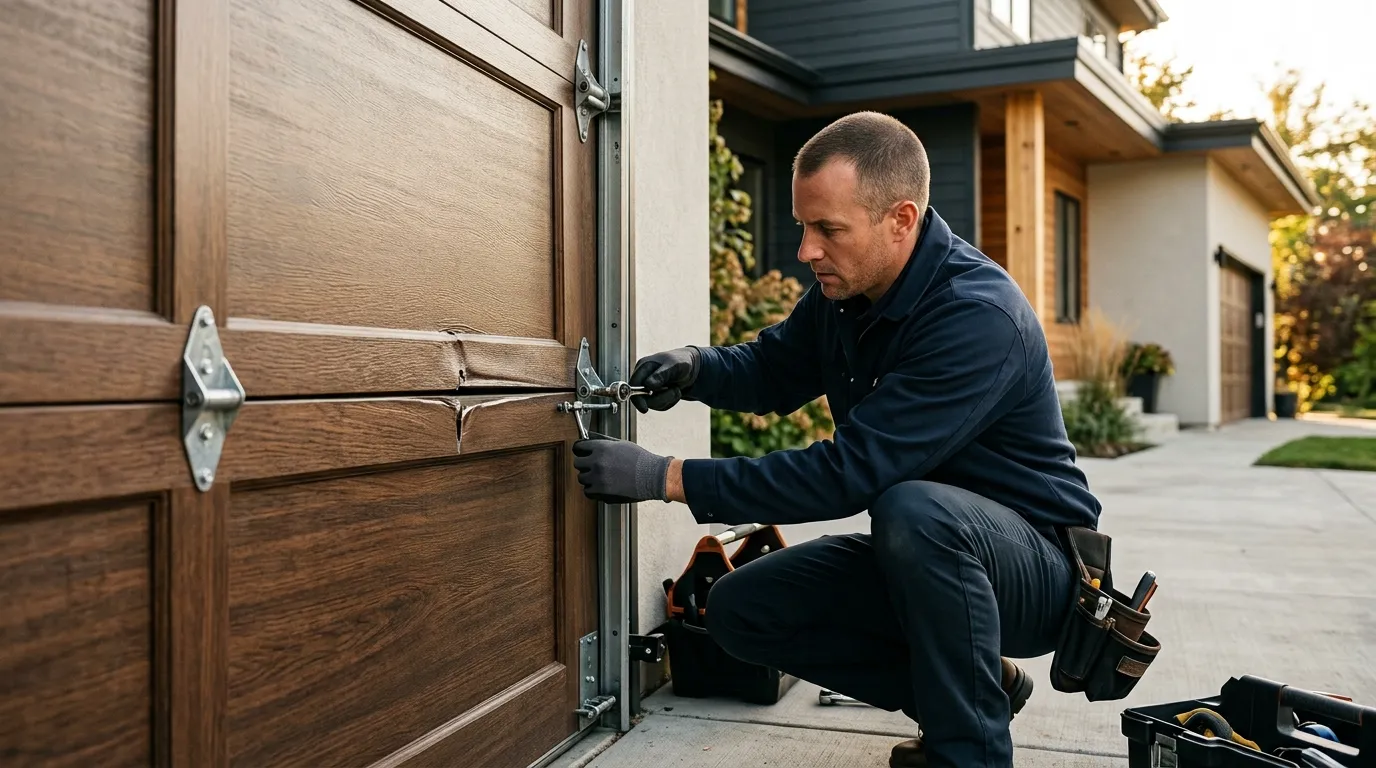
Garage Door Panel Replacement
Dented or cracked panels swapped without replacing the whole door where the frame is sound.
Learn more →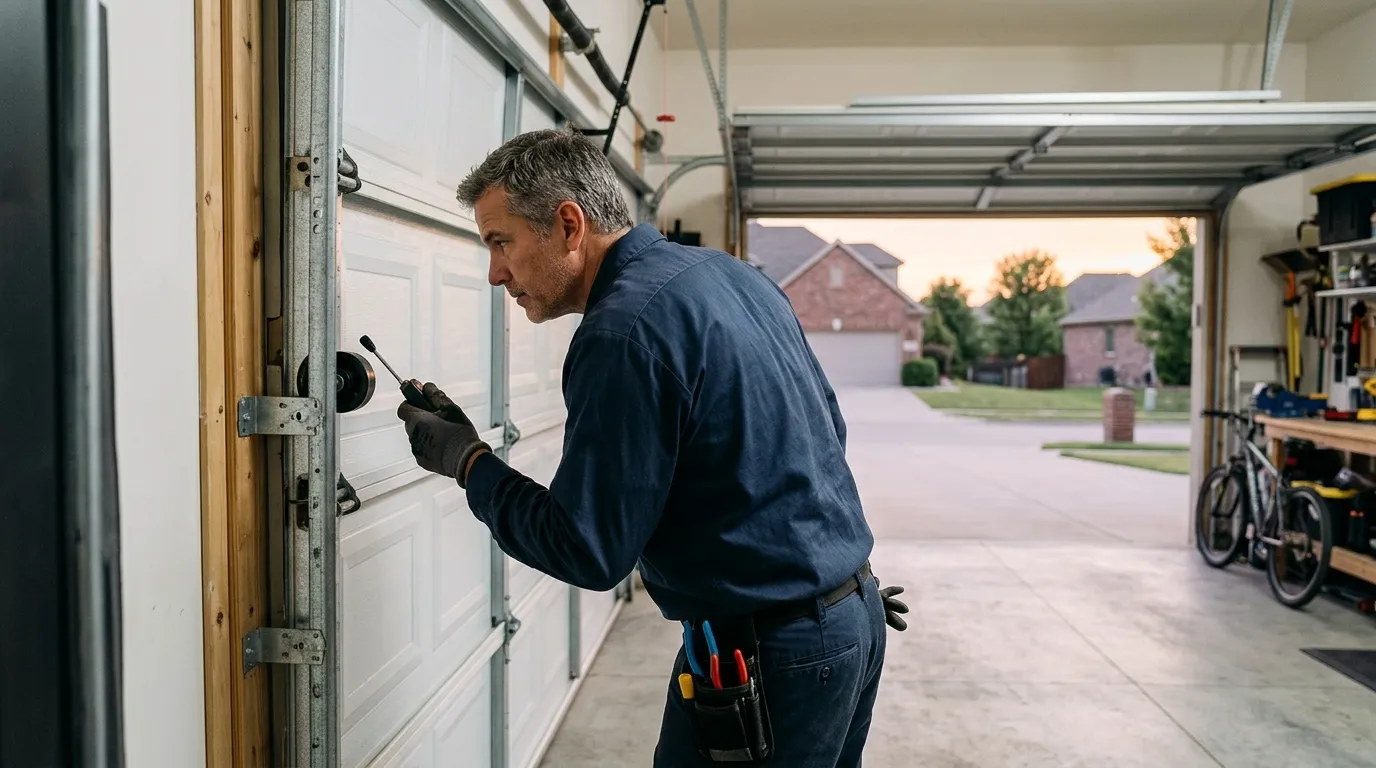
Garage Door Service
Tune-ups, lubrication, and safety checks that catch a small problem before it becomes a service call.
Learn more →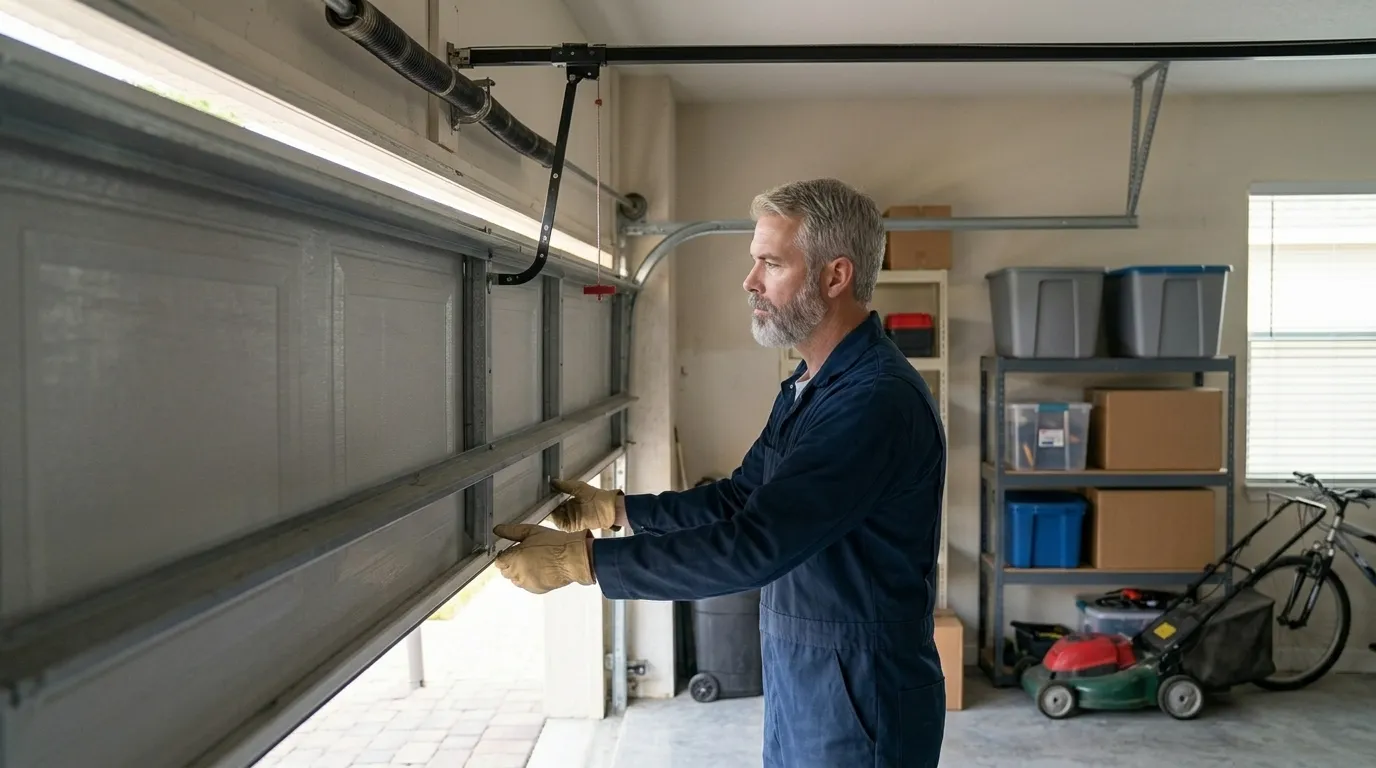
Garage Door Spring Repair
Broken torsion and extension springs replaced and the door rebalanced in the same visit.
Learn more →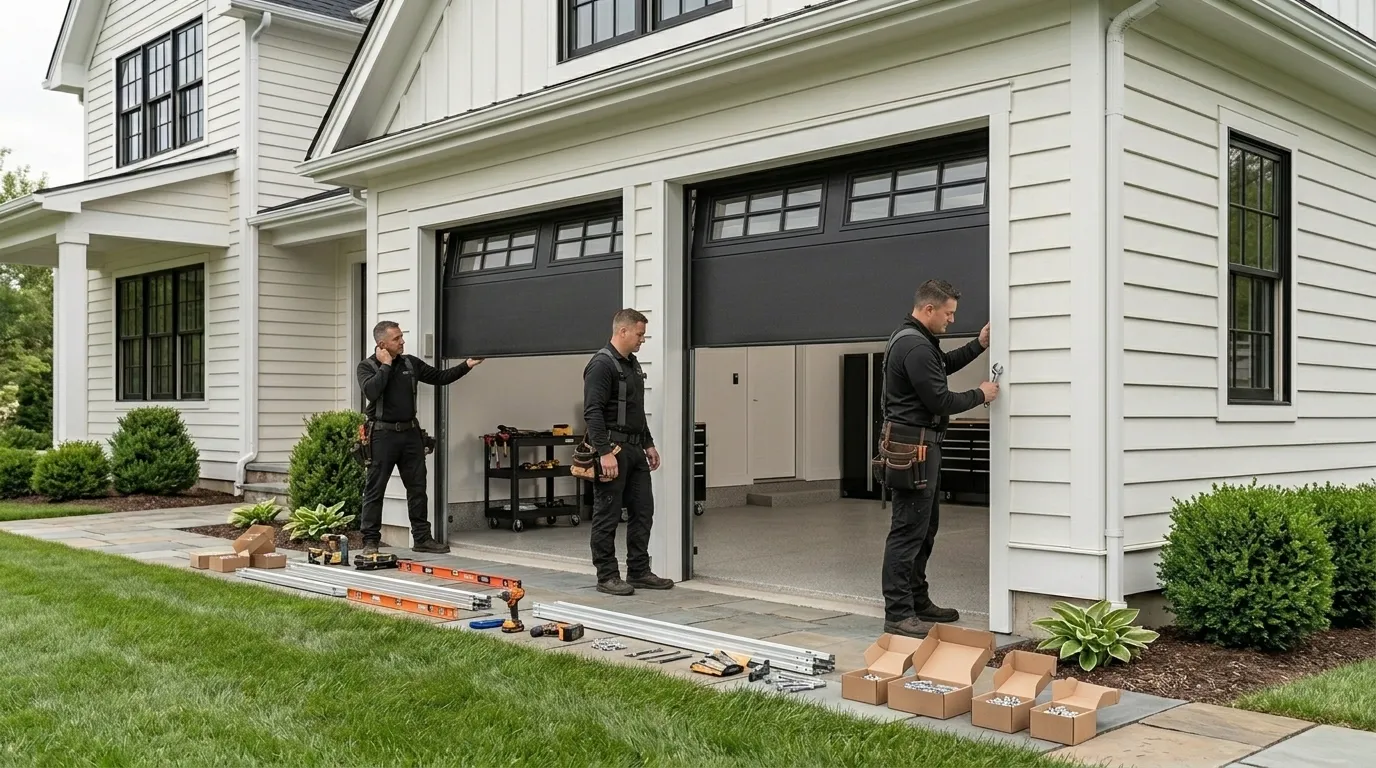
Garage Door Installation
New sectional doors sized and installed for the housing stock actually built in this area.
Learn more →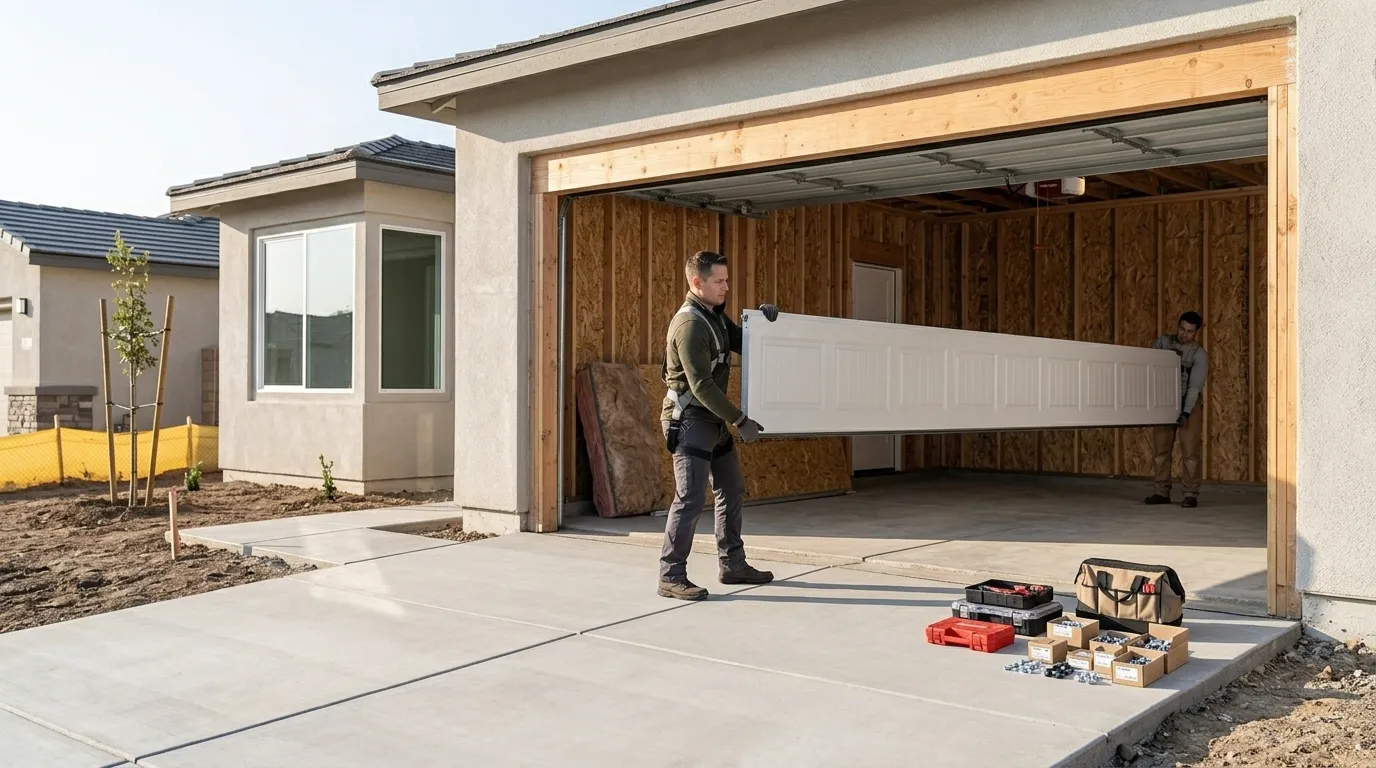
Garage Door Opener Installation
New openers sized to your door and set up with the safety sensors dialed in.
Learn more →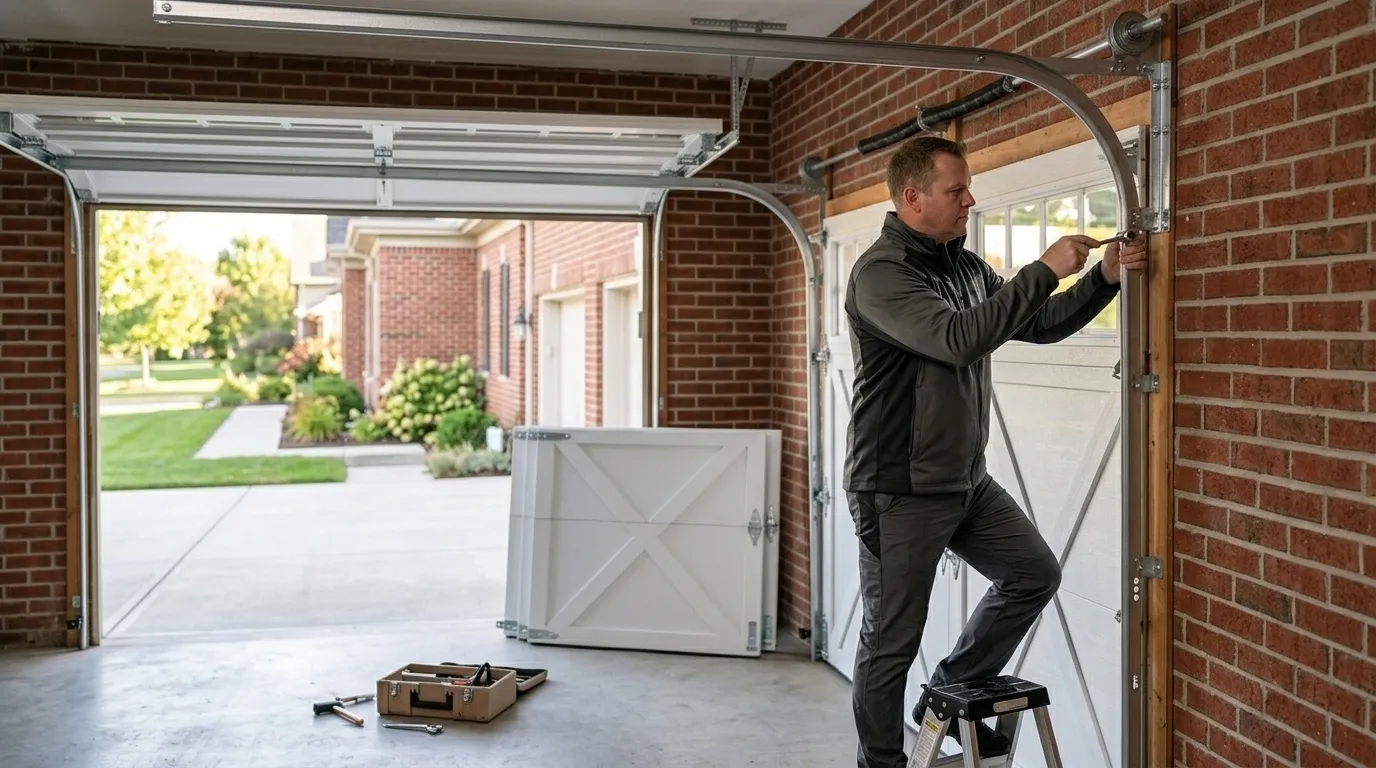
Garage Door Opener Repair
Openers that hum, stall, or reverse - diagnosed and fixed, from worn gears to logic boards.
Learn more →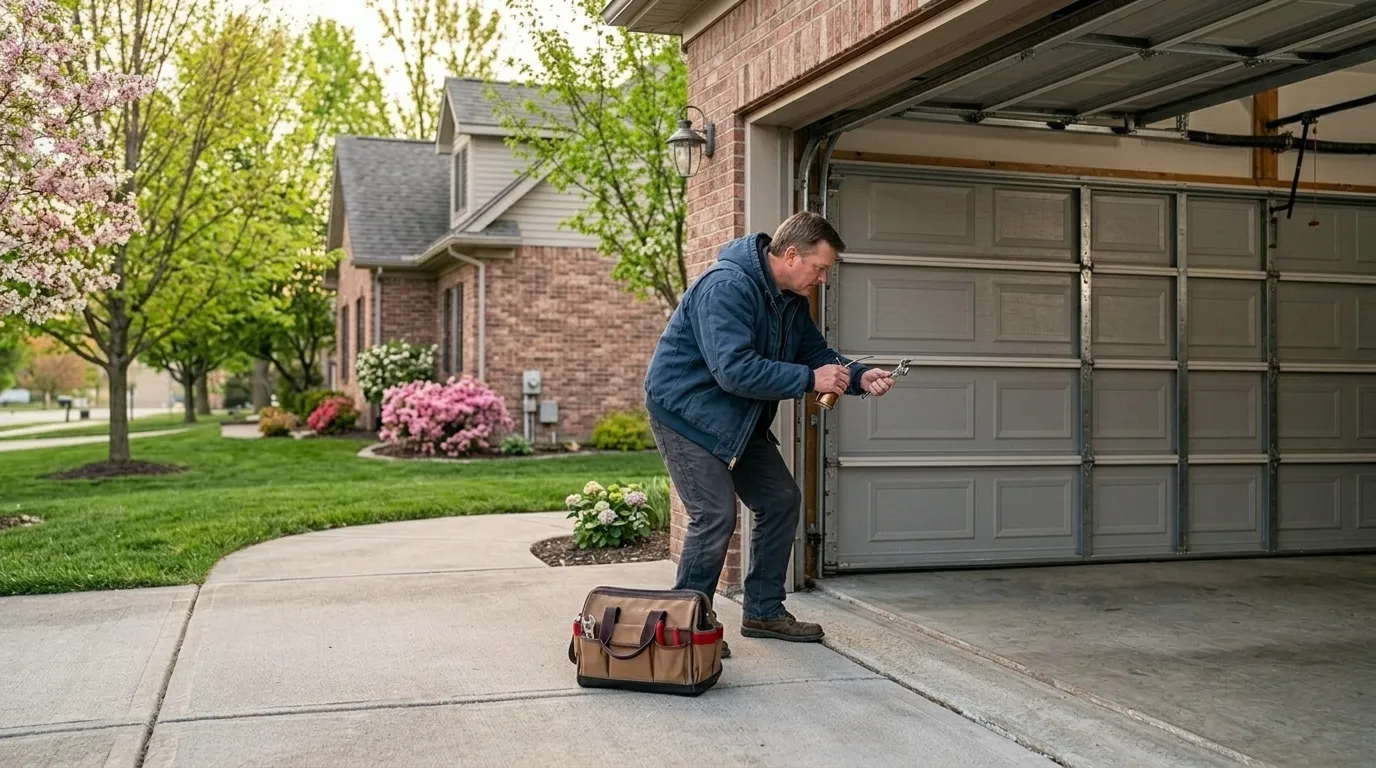
Garage Door Off Track
Doors that jumped the track reset safely, with rollers and alignment checked so it holds.
Learn more →
Garage Door Repair
Springs, cables, tracks, rollers, and openers fixed by a tech who explains the problem before touching anything.
Learn more →Frequently Asked Questions
Why does my opener struggle more in winter than in summer?
Cold stiffens the grease in the drive gear and drains battery backup capacity, so the motor works harder on every cycle at the same time the backup power is weakest. It's the combination that causes most winter opener calls, not one factor alone.
Should I add battery backup if my house is older?
If your home dates from the common 1950s-70s build era here and has never had backup added, it's worth doing before a winter outage, not after. We won't say it's mandatory - plenty of older openers run fine without it - but a stuck door during a work-hours outage is a real inconvenience.
My door reverses right before it closes after a power outage. Why?
That's almost always the safety sensors near the floor, not the opener's memory of the outage. A knocked bracket or ice buildup throws off the sensor alignment, and the opener reads that as an obstruction. Realigning the brackets usually fixes it without any parts replaced.
Can you rewire the electrical circuit feeding my opener?
No. We work on the opener and the door hardware, not the home's electrical panel or circuits. If the issue traces back to your house wiring rather than the opener itself, that's a licensed electrician's job, and we'll tell you plainly when we see that.
Have a Door That Needs a Second Opinion?
Call and describe what it is doing - we will tell you what it likely is.