
Wyckoff Garage Door Guide
Garage Door Help for Wyckoff Homes, Built for This Winter
Wyckoff Garage Door Pros services homes built between 1938 and 1996 through severe cold winters, with seasonal advice tied to this housing stock and this climate band.
- Licensed & Insured
- Same-Area Service Calls
- Upfront Pricing
When to Call Someone
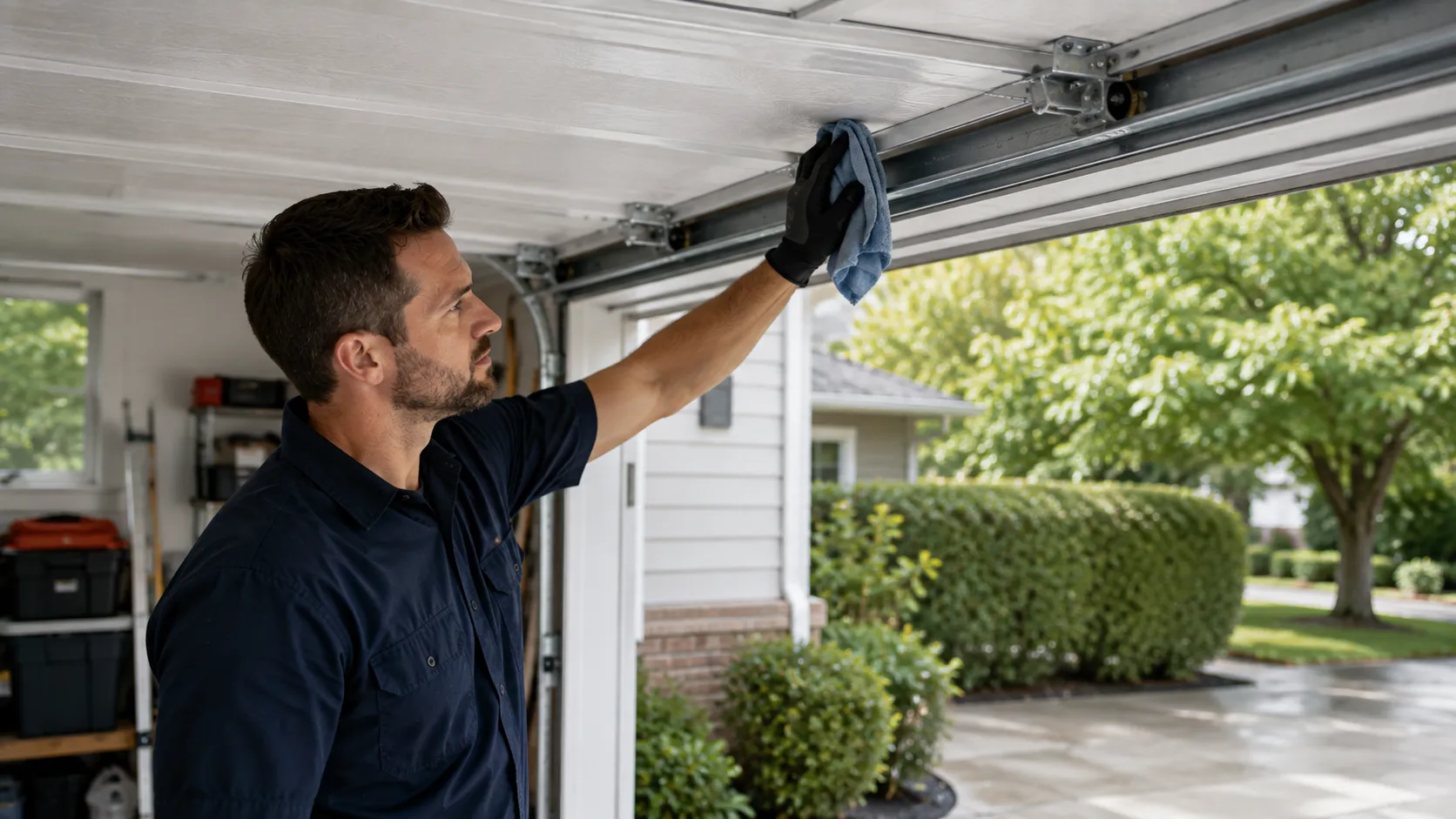
Most houses in Wyckoff went up between 1938 and 1996, with the median build year sitting around 1960. That means a lot of original steel sections, aging torsion springs, and hardware that was never designed for the insulation upgrades homeowners have bolted onto these doors since. If your door groans, drags, or reverses on its own before it hits the floor, that's not a sign to wait out - a spring under tension on a door this old can let go without warning, and the cable or drum it's attached to may be original equipment too.
Call when the door won't stay open on its own, when you hear a bang from the spring area, or when the opener runs but the door doesn't move at the same speed it used to. If it's just a squeak or a slow roller, that can usually wait for a scheduled visit rather than an emergency call. Knowing the difference saves you money and keeps you off a ladder in January.
The Situation
Across the service area there are 291,433 owner-occupied houses among 921,135 households, and median household income sits at $126,221. That combination matters here: a lot of these homes have doors and openers that were installed or replaced once, decades ago, and never touched again because nothing broke. The housing stock skews 1960s-70s across the 124 named areas this region covers, which means a consistent set of door widths, track spacing, and spring sizing - but also a consistent set of parts that manufacturers phased out years back.
When something fails on a door this age, it's rarely a simple swap; it's often a mismatch between what's on the door and what's still made. That's the honest limitation: if your torsion spring or track hardware dates to the original install, we may need to special-order a compatible part rather than pull one off the truck, and that can add a day or two to a repair that would otherwise be same-visit.
Season by Season
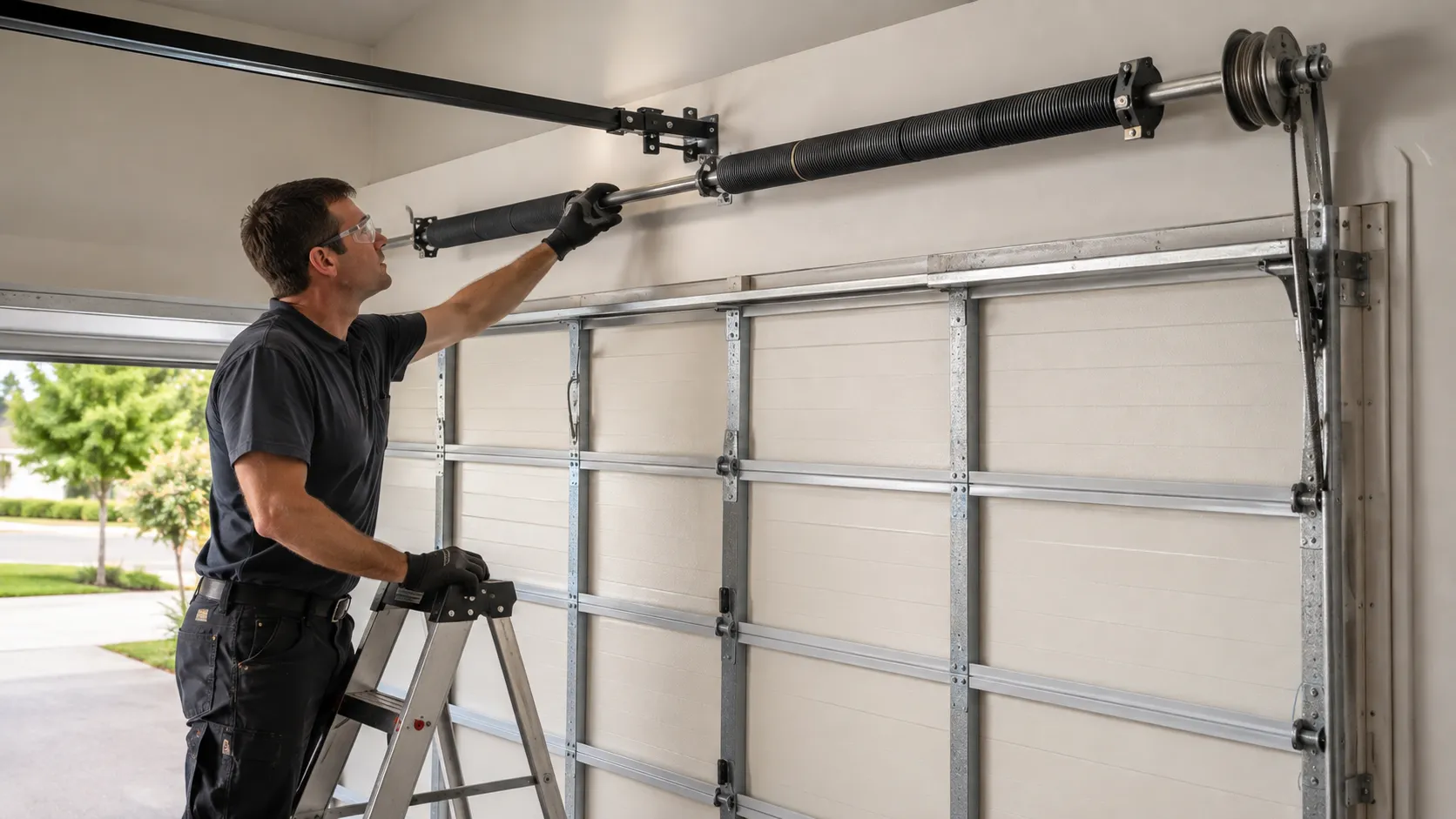
Wyckoff sits in a cold-climate band the federal data marks as severe, and that shows up in the door long before it shows up anywhere else in the house. Late fall is when weather seals and draughts start mattering - a bottom seal that was fine in August turns brittle and gaps once temperatures drop, and cold air finds every low spot in a 1960s-era door frame. Winter is spring season: cold steel contracts, torsion springs lose a bit of tension, and openers that were sized for a lighter door decades ago start straining on cold mornings.
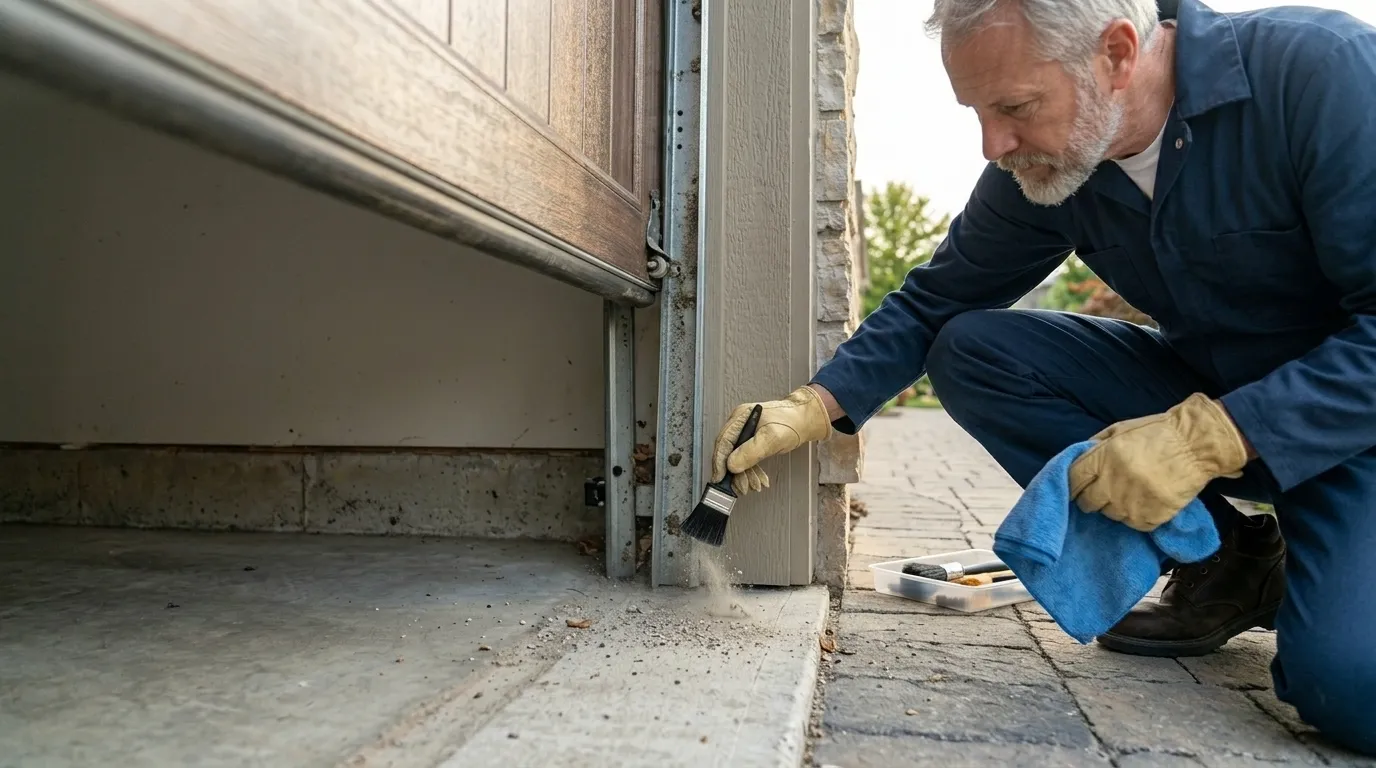
Spring is when moisture from melting snow finds its way into wood jambs on older homes and rusts hardware that's been fine for years. Summer is the easy season - it's the right time to get ahead of next winter, because a rushed midwinter spring replacement costs more in urgency than a planned one in July.
How Local Conditions Play In
Homes in Wyckoff and the towns immediately around it - Franklin Lakes, Midland Park, and Waldwick all within about 2 miles, Allendale and North Haledon a bit farther - share the same build era and the same cold exposure, so the failures we see are consistent street to street. A door built to 1960s spec, running through a severe cold winter for fifty-plus years, wears in predictable ways: seals go first, then rollers, then springs. That predictability is useful.
It means we're not guessing at what's likely wrong when a call comes in from this area; the housing stock and the climate band tell us most of the story before we even look at the door. It also means preventive work matters more here than in a milder climate - a door that's marginal in October is a door that fails in a January cold snap, and the fix at that point is more urgent and less convenient than it needed to be.
How We Can Help
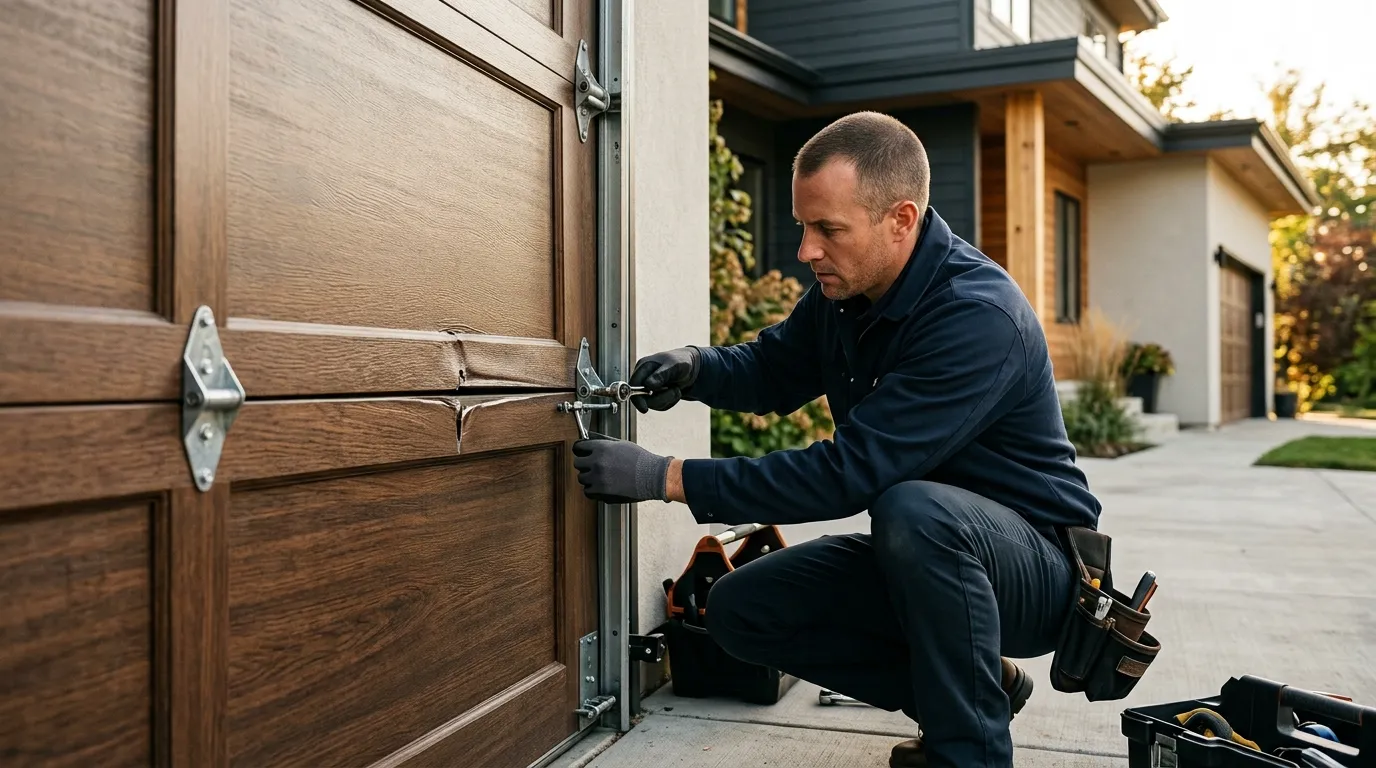
Garage Door Panel Replacement
Dented or cracked panels swapped without replacing the whole door where the frame is sound.
Learn more →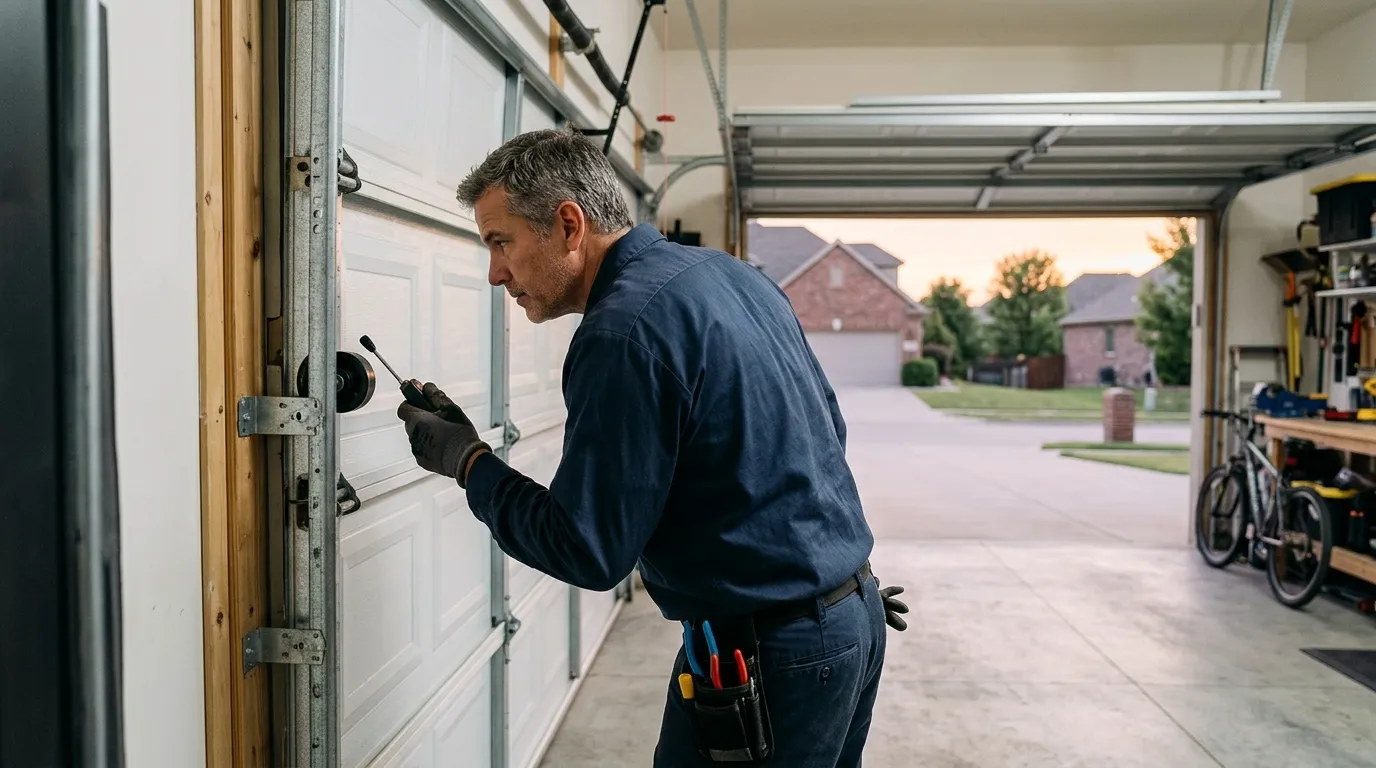
Garage Door Service
Tune-ups, lubrication, and safety checks that catch a small problem before it becomes a service call.
Learn more →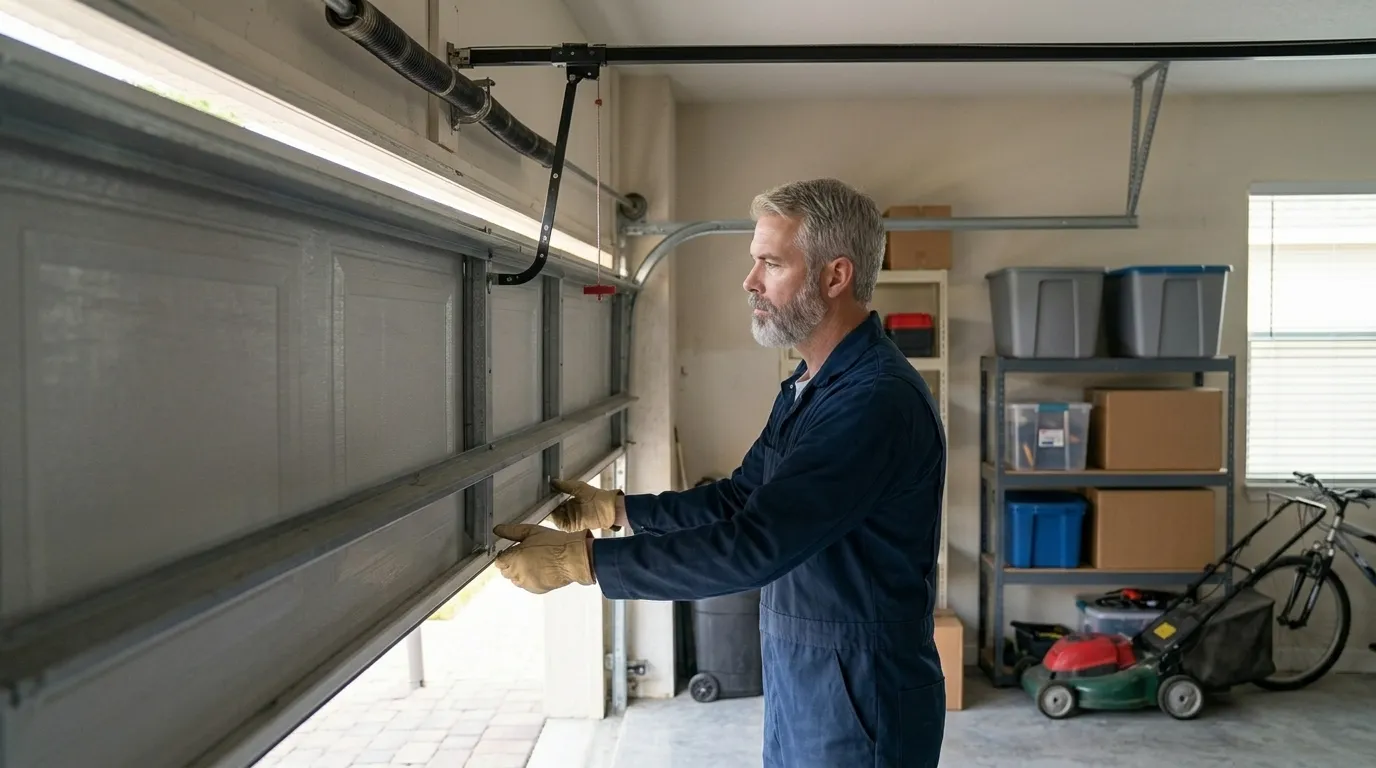
Garage Door Spring Repair
Broken torsion and extension springs replaced and the door rebalanced in the same visit.
Learn more →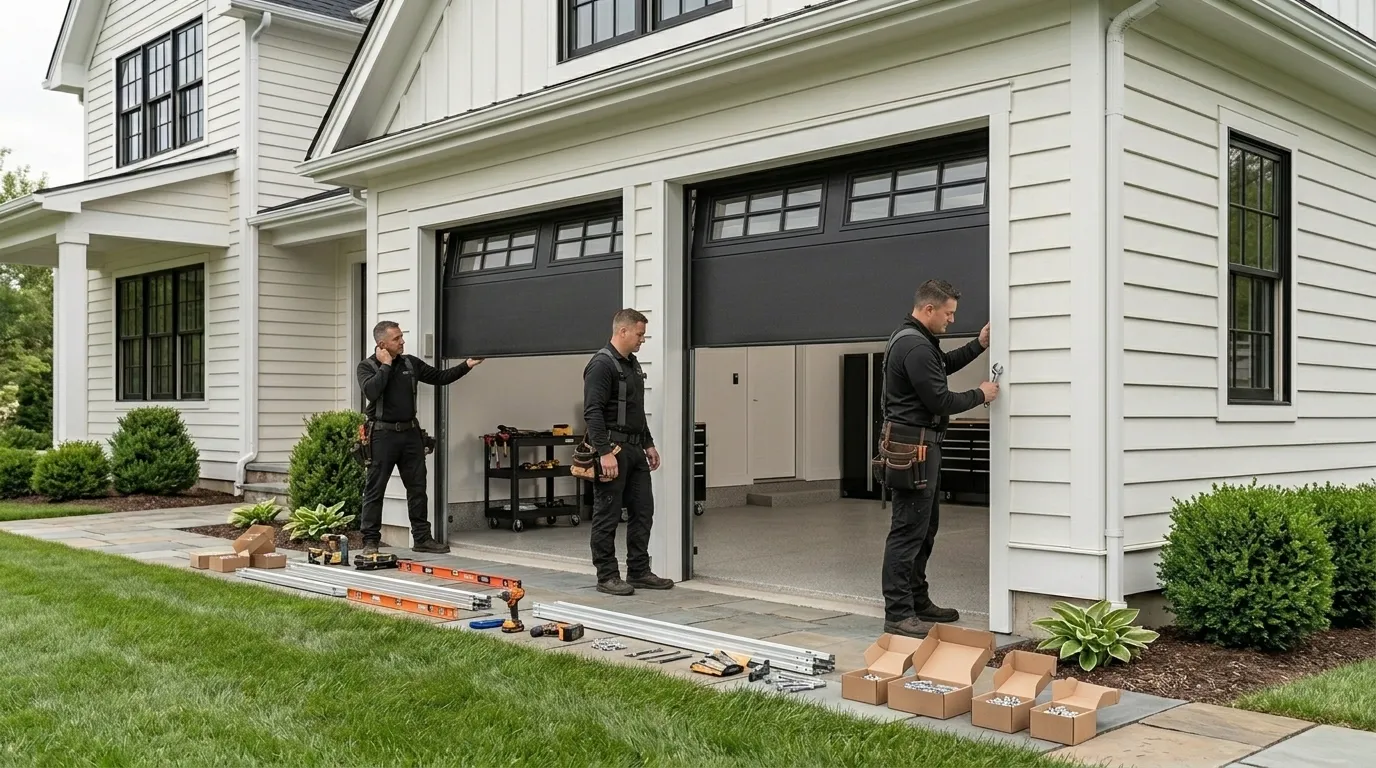
Garage Door Installation
New sectional doors sized and installed for the housing stock actually built in this area.
Learn more →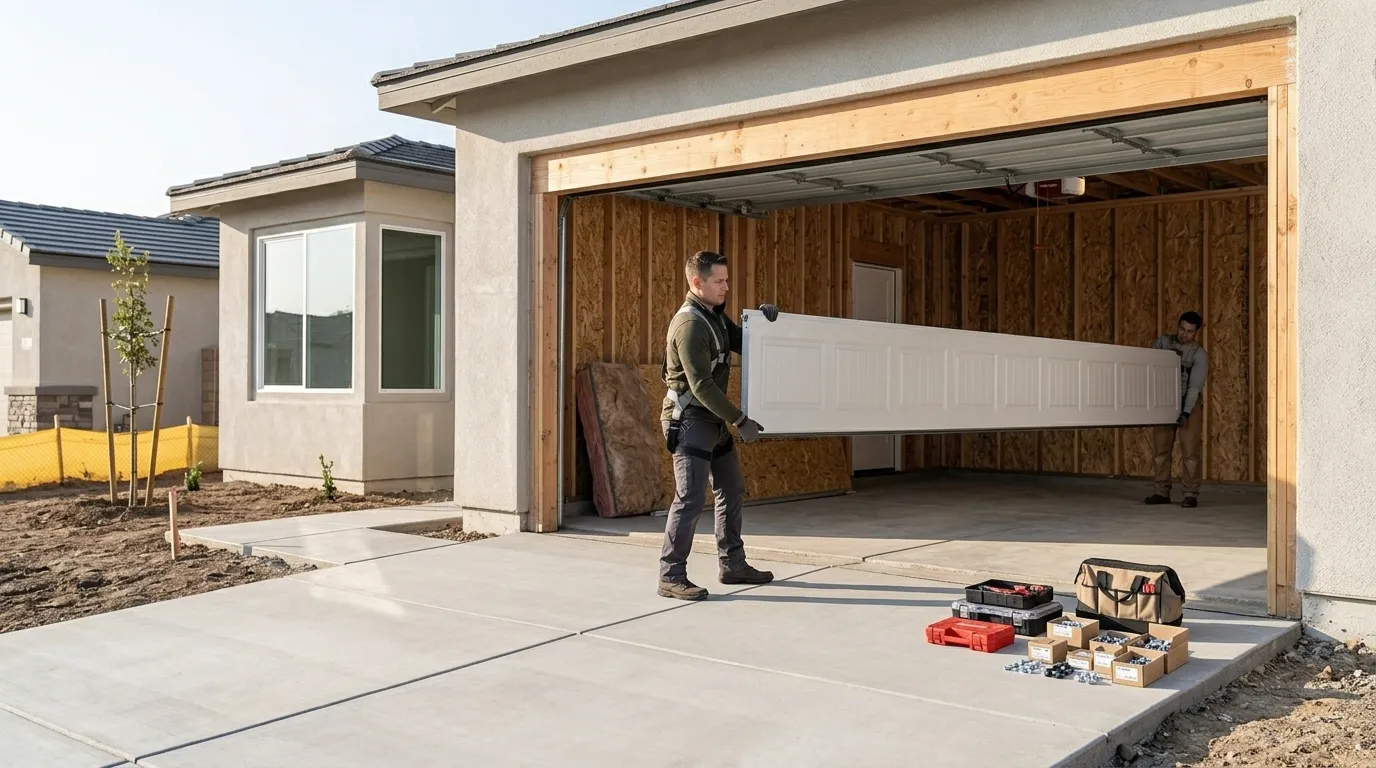
Garage Door Opener Installation
New openers sized to your door and set up with the safety sensors dialed in.
Learn more →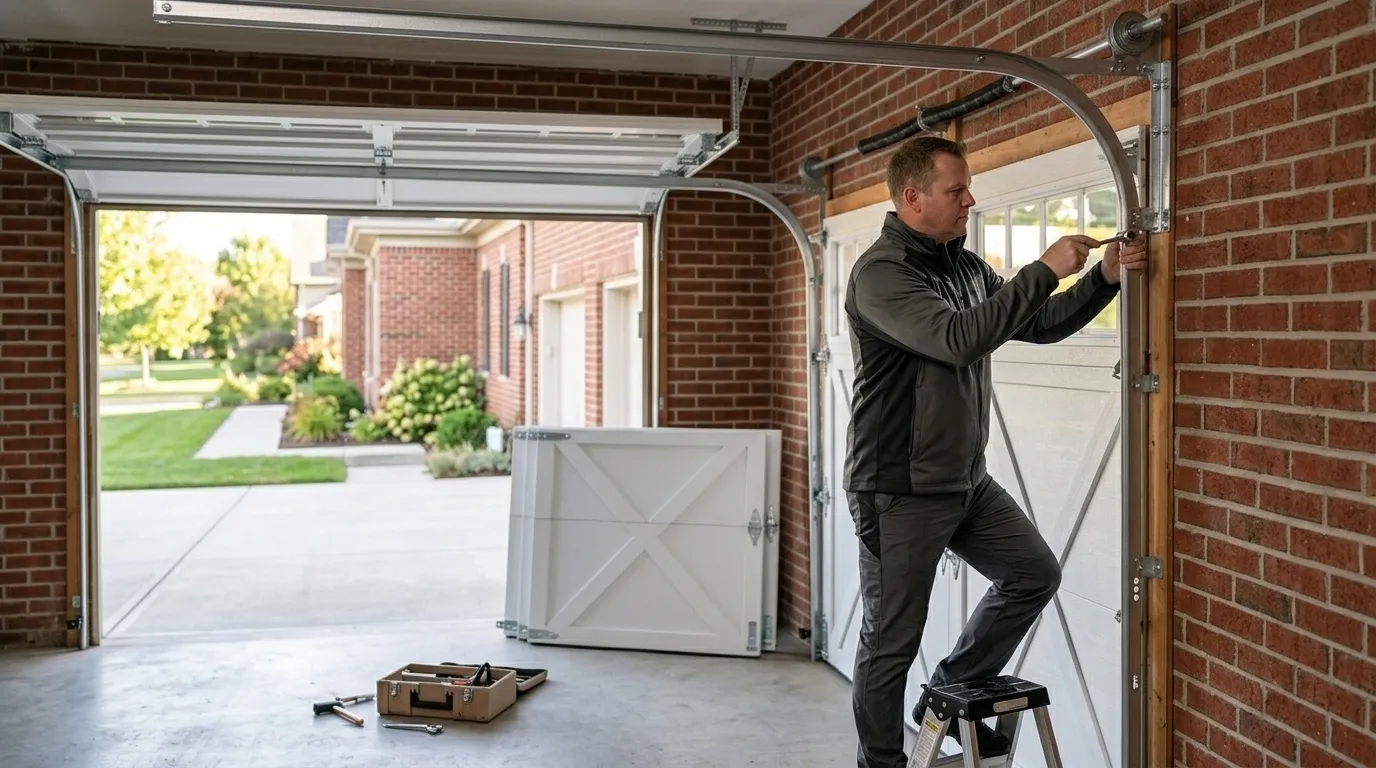
Garage Door Opener Repair
Openers that hum, stall, or reverse - diagnosed and fixed, from worn gears to logic boards.
Learn more →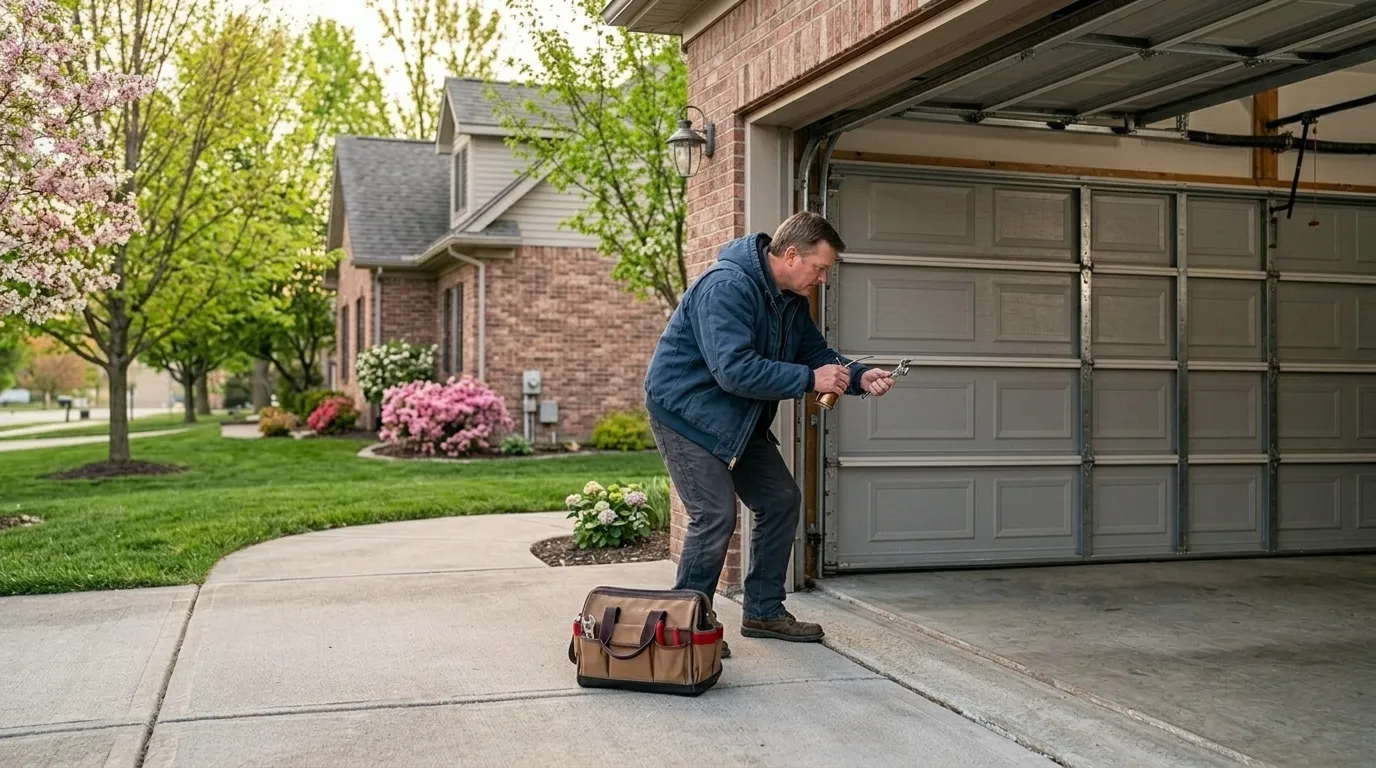
Garage Door Off Track
Doors that jumped the track reset safely, with rollers and alignment checked so it holds.
Learn more →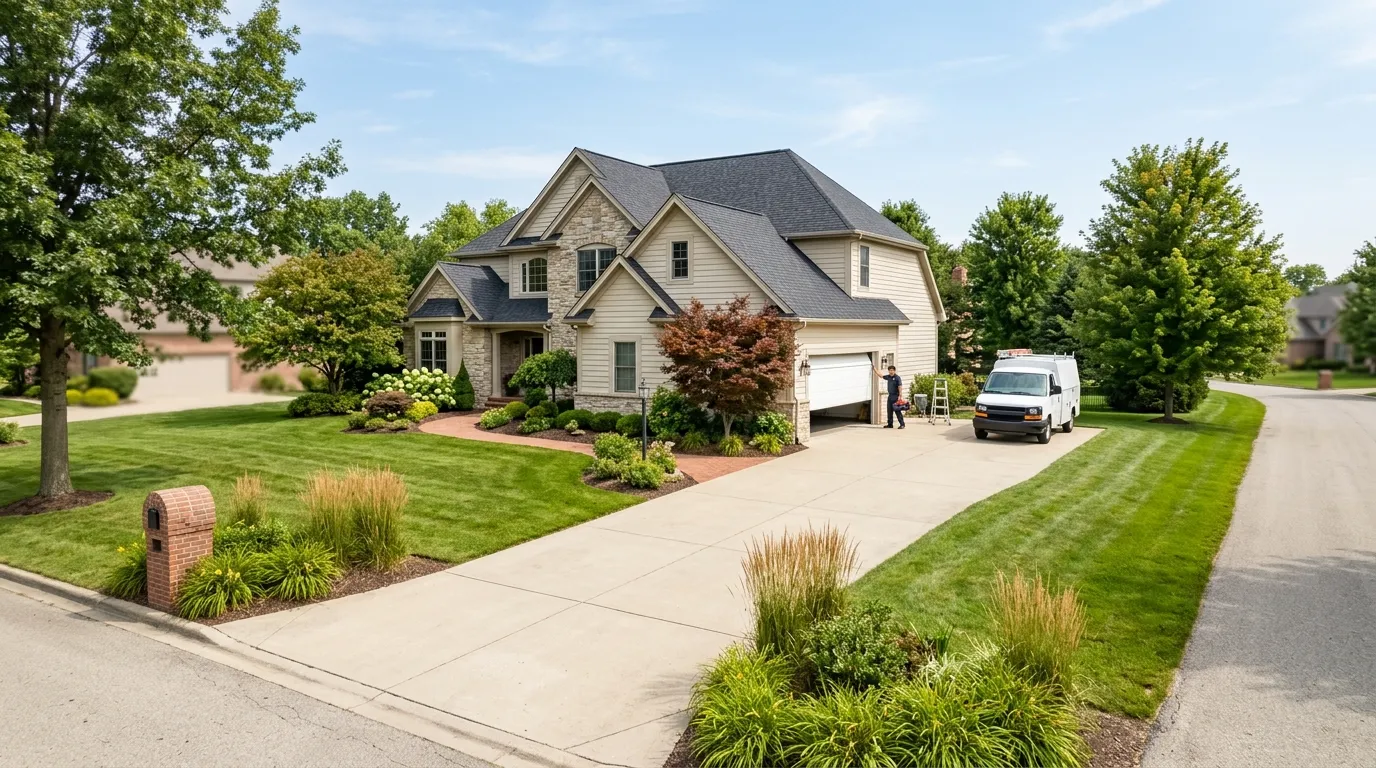
Garage Door Repair
Springs, cables, tracks, rollers, and openers fixed by a tech who explains the problem before touching anything.
Learn more →Frequently Asked Questions
Why does my garage door get harder to open in the winter?
Cold steel contracts and torsion springs lose a bit of their tension in low temperatures, which is common in a severe cold band like this one. On a door built to 1960s-era spec, that loss is more noticeable because the spring sizing was never generous to begin with. If the door feels heavy every winter, the spring may need adjustment or replacement.
How old is a typical garage door in Wyckoff likely to be?
Housing in this area was mostly built between 1938 and 1996, with a median around 1960, so a lot of doors and openers date back decades even if they've had one replacement since. That means original hardware sizing and older track spacing are still common.
Do I need to replace weather seals every year?
Not every year, but check them each fall. Weather seals and draughts are the first thing to fail as temperatures drop, especially on older door frames, and a gap you can feel with your hand in November is a gap that lets in a lot more cold by January.
Have a Door That Needs a Second Opinion?
Call and describe what it is doing - we will tell you what it likely is.