
Wyckoff Garage Door Guide
Garage Doors on Wyckoff's Older Housing Stock
Wyckoff Garage Door Pros on why houses built before insulation rules, mostly 1938-1996 stock, need different winter care than newer construction in a cold climate zone.
- Licensed & Insured
- Same-Area Service Calls
- Upfront Pricing
When to Call Someone
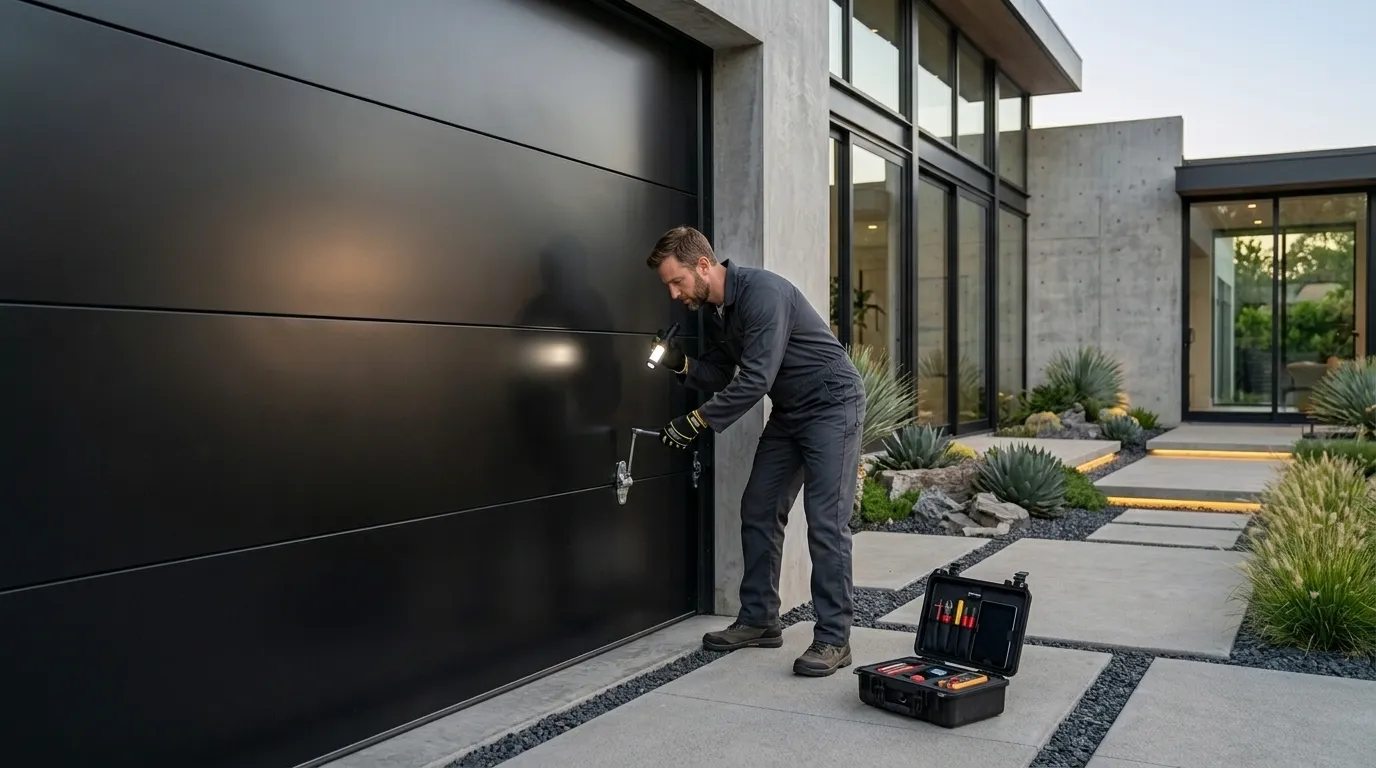
If your door is fighting you every cold morning, don't wait until a cable snaps. Wyckoff's housing runs 1938 to 1996, median around 1960, which means a lot of garages were framed before anyone worried about sealing a big moving panel against winter air. A door that drags, slaps, or won't seat flush at the bottom usually isn't broken yet - it's telling you the track or spring is compensating for a frame that's shifted over sixty-plus years.
Call when you hear a new grinding noise, when the door reverses on its own, or when the bottom seal is cracked and letting daylight through. Don't call us for cosmetic dents that don't affect operation - that's money better spent elsewhere, and we'll tell you so. One honest limit: if your opener is original to a 1960s build, parts for it may simply not exist anymore, and replacement beats a repair quote that keeps growing.
The Situation
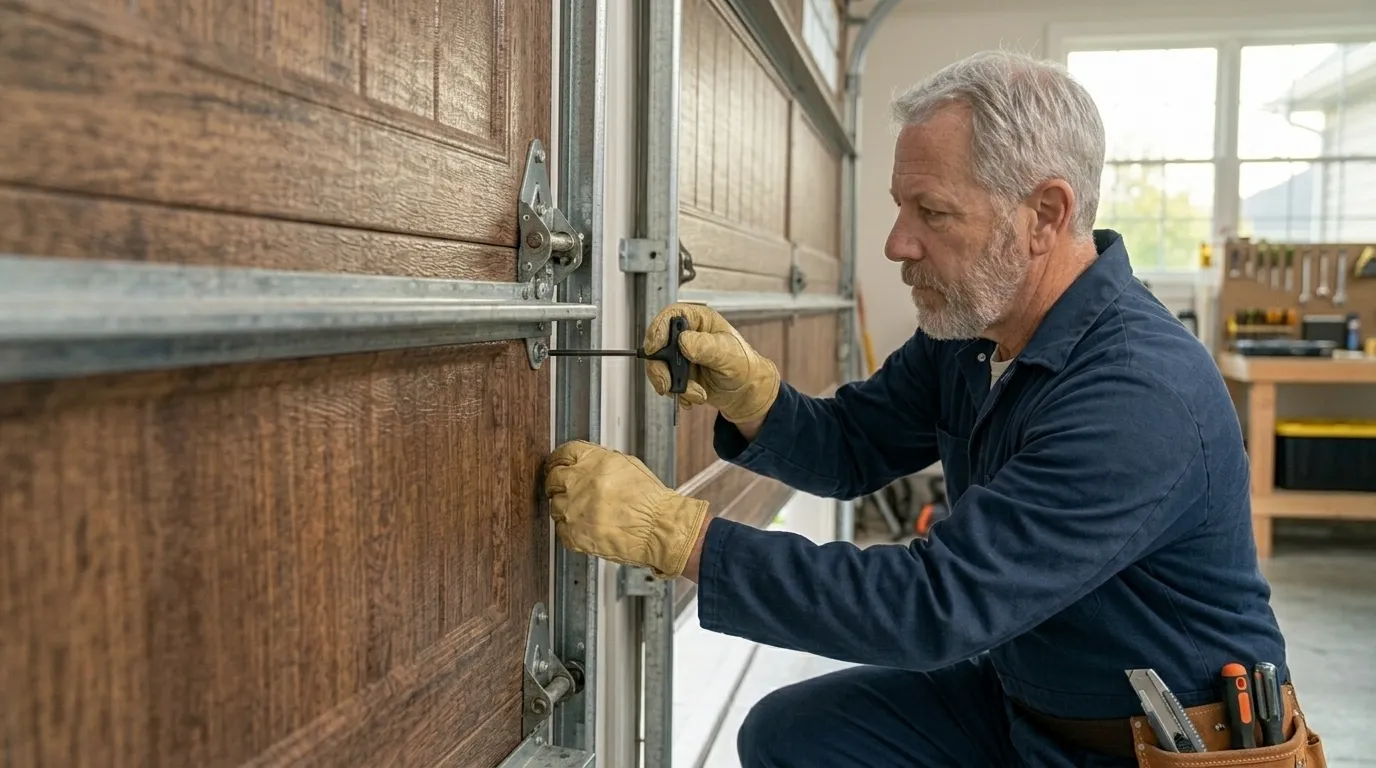
Most of the garages in this pocket of Bergen County went up between 1938 and 1996, with the bulk clustered in the 1960s and 70s - the same era across the 124 named areas in this part of the state. That means a door built for a garage that was never meant to be conditioned space, on hardware sized for the lighter doors of that period. Insulation rules for garage doors weren't standard when these houses were framed, so a lot of original panels are single-layer steel or wood with no thermal break at all.
Add a household income base here that supports real investment (median household income $126,221 across the service area), and what we see is a lot of owners upgrading a functional-but-cold door rather than limping it along. That's a reasonable call in a place where winters test old seals hard.
Season by Season
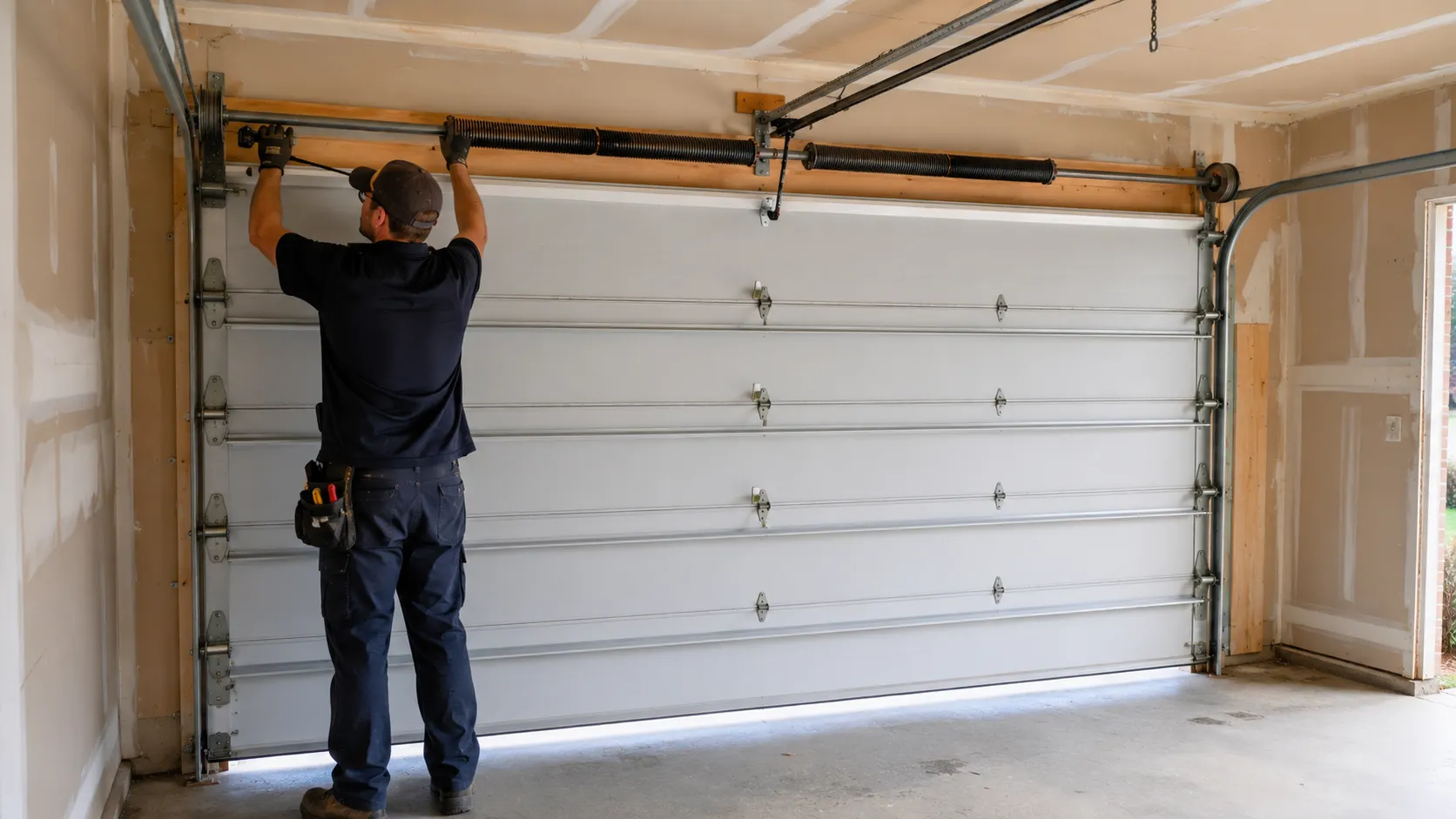
This area sits in a cold, severe climate band, and that shows up on the door before it shows up anywhere else in the house. Fall is when we get calls about openers that hesitate in the first cold snap - the grease in an old gear set thickens and the motor strains. Winter is spring season, plainly: a torsion spring loses tension in the cold and an aging one on a pre-1996 door is often already near the end of its cycle count, so the first hard freeze is what finishes it off.
Spring brings water intrusion complaints, especially on doors with worn bottom seals that never got replaced. Summer is the quiet season here - it's the best time to do the panel or opener swap you've been putting off, before the next cold stretch exposes the same problem again.
How Local Conditions Play In
A door built for a 1960s garage in a severe cold zone behaves differently than one built to current code. Older panels here often lack any insulation layer, so the garage itself runs close to outdoor temperature all winter - which matters if the space backs onto a mudroom or laundry, a common layout in houses of this age.
Steel hardware also contracts more in sustained cold, which is part of why torsion springs on older doors fail more often in January than in July. We work across this stretch of Bergen County, from Franklin Lakes and Midland Park just a couple miles off to Ridgewood, Ramsey, and Oakland a few miles further out, and the pattern repeats across that whole footprint: pre-insulation doors, cold-stressed hardware, and owners who'd rather fix it right once than call back every winter.
How We Can Help
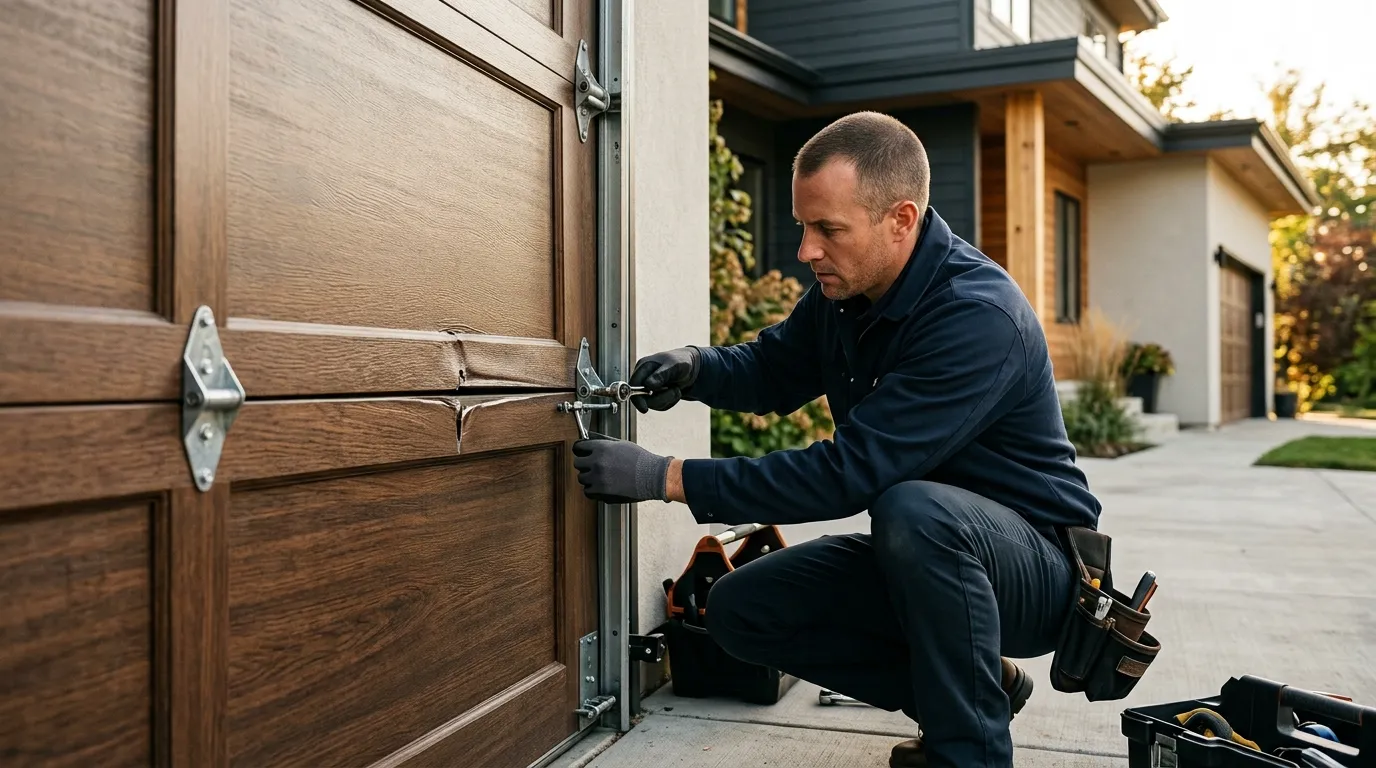
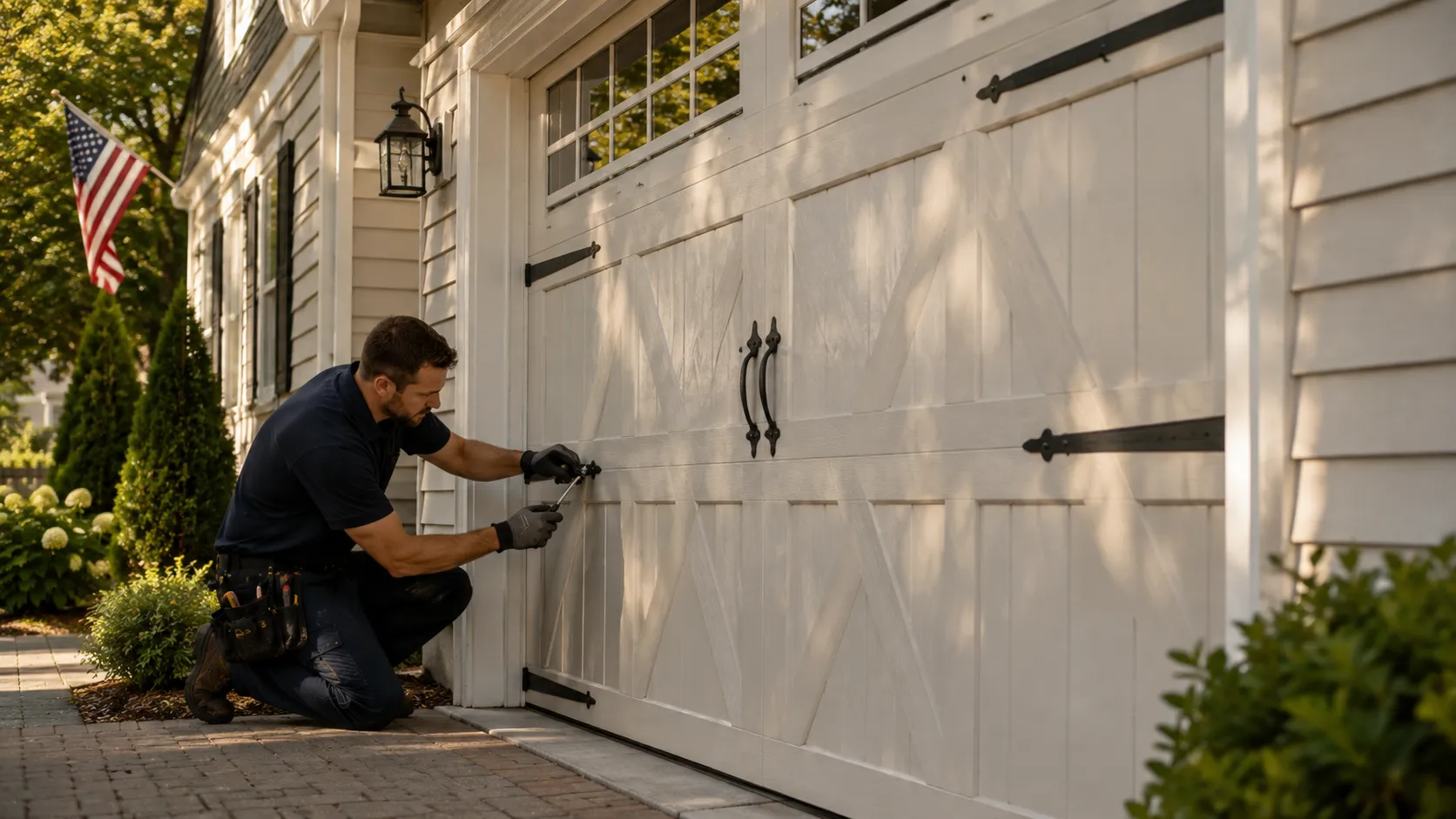
Garage Door Panel Replacement
Dented or cracked panels swapped without replacing the whole door where the frame is sound.
Learn more →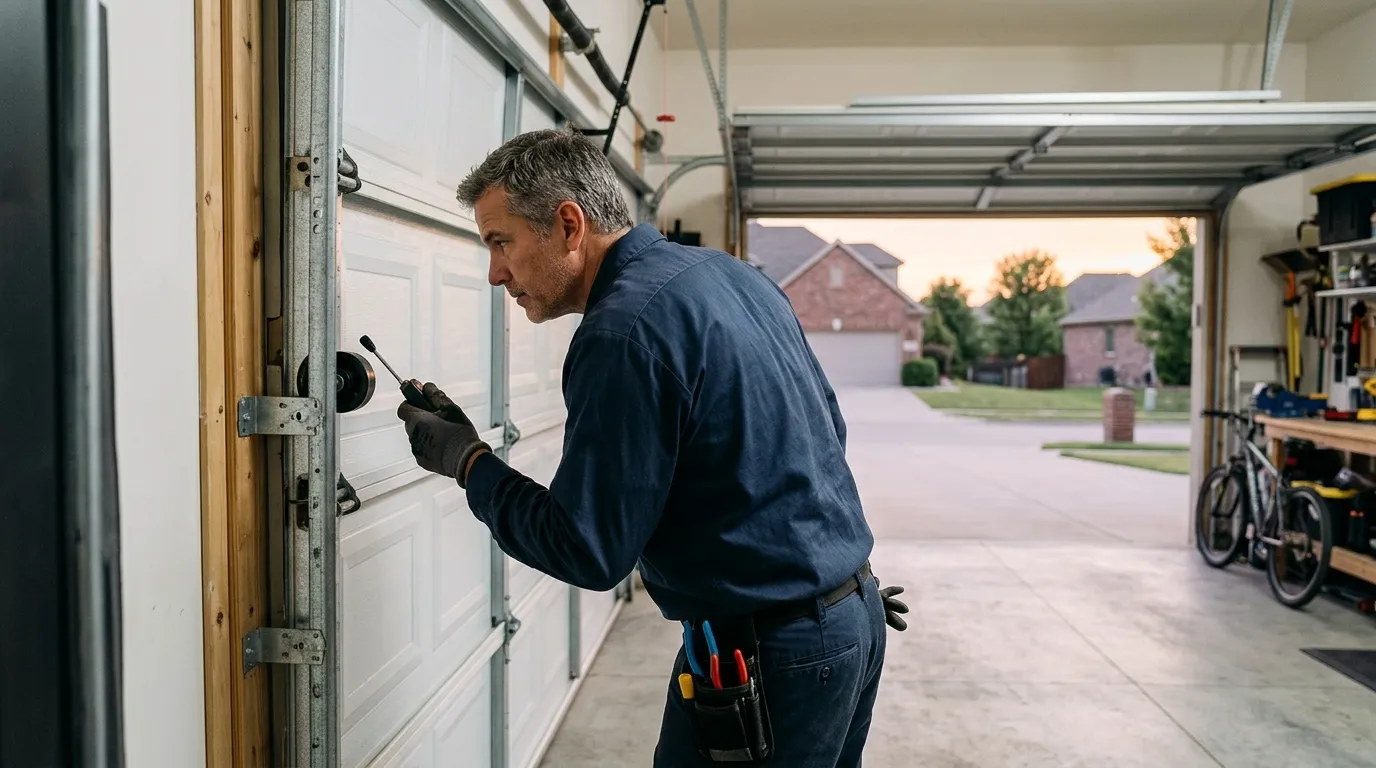
Garage Door Service
Tune-ups, lubrication, and safety checks that catch a small problem before it becomes a service call.
Learn more →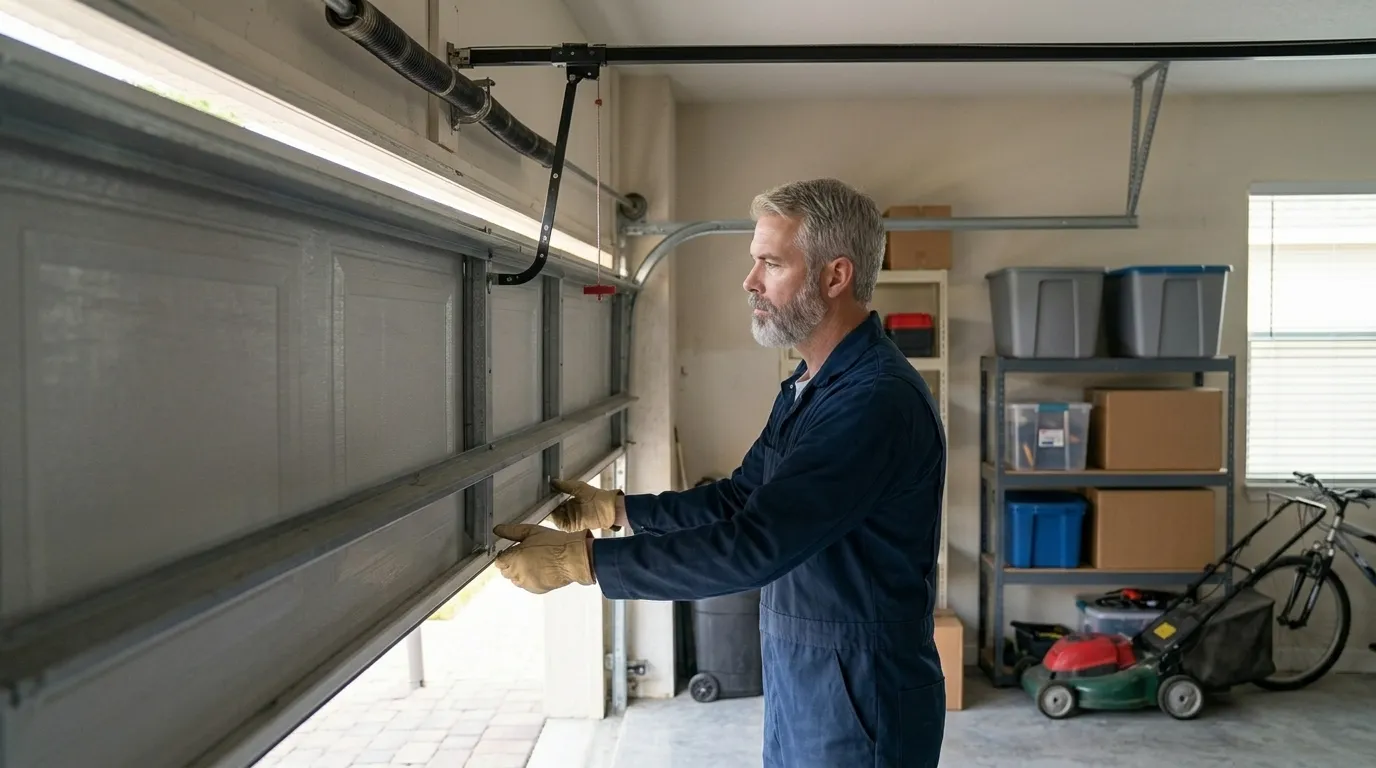
Garage Door Spring Repair
Broken torsion and extension springs replaced and the door rebalanced in the same visit.
Learn more →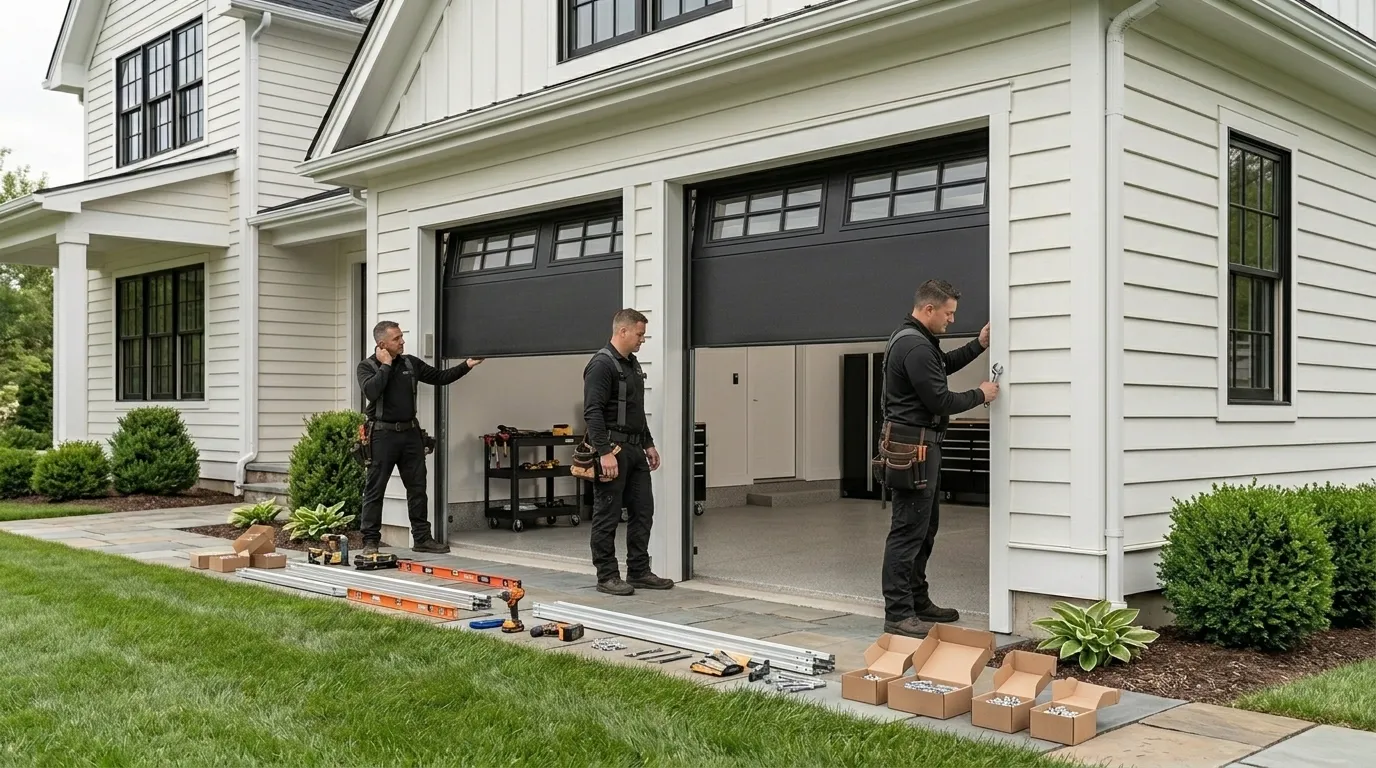
Garage Door Installation
New sectional doors sized and installed for the housing stock actually built in this area.
Learn more →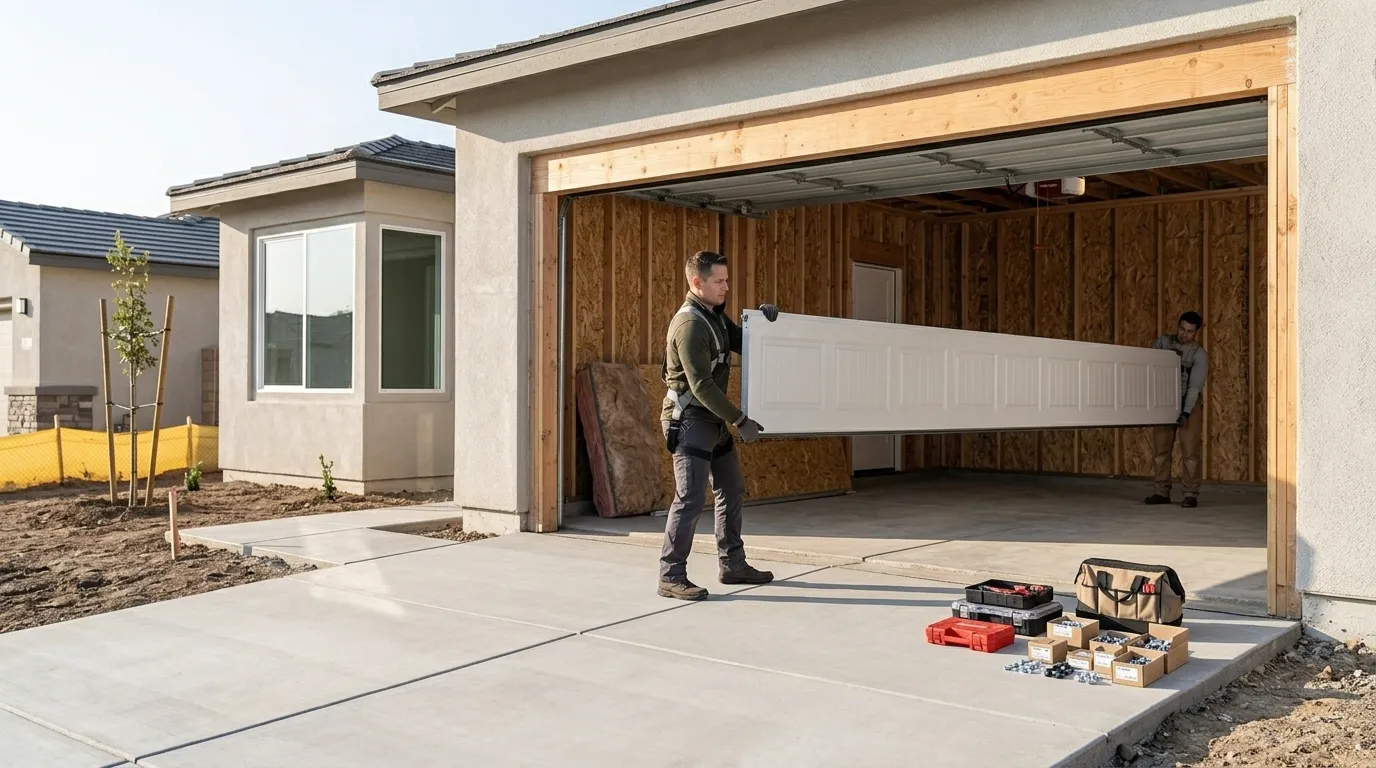
Garage Door Opener Installation
New openers sized to your door and set up with the safety sensors dialed in.
Learn more →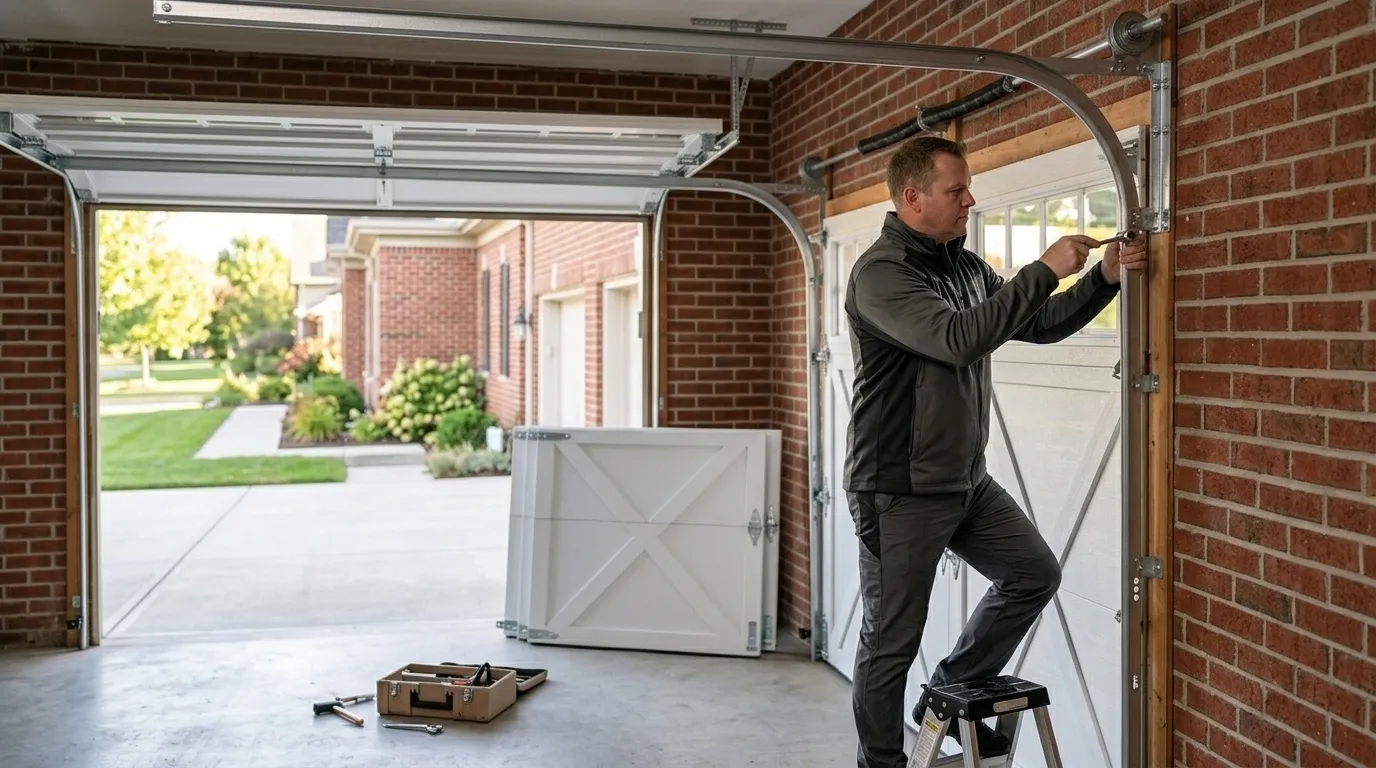
Garage Door Opener Repair
Openers that hum, stall, or reverse - diagnosed and fixed, from worn gears to logic boards.
Learn more →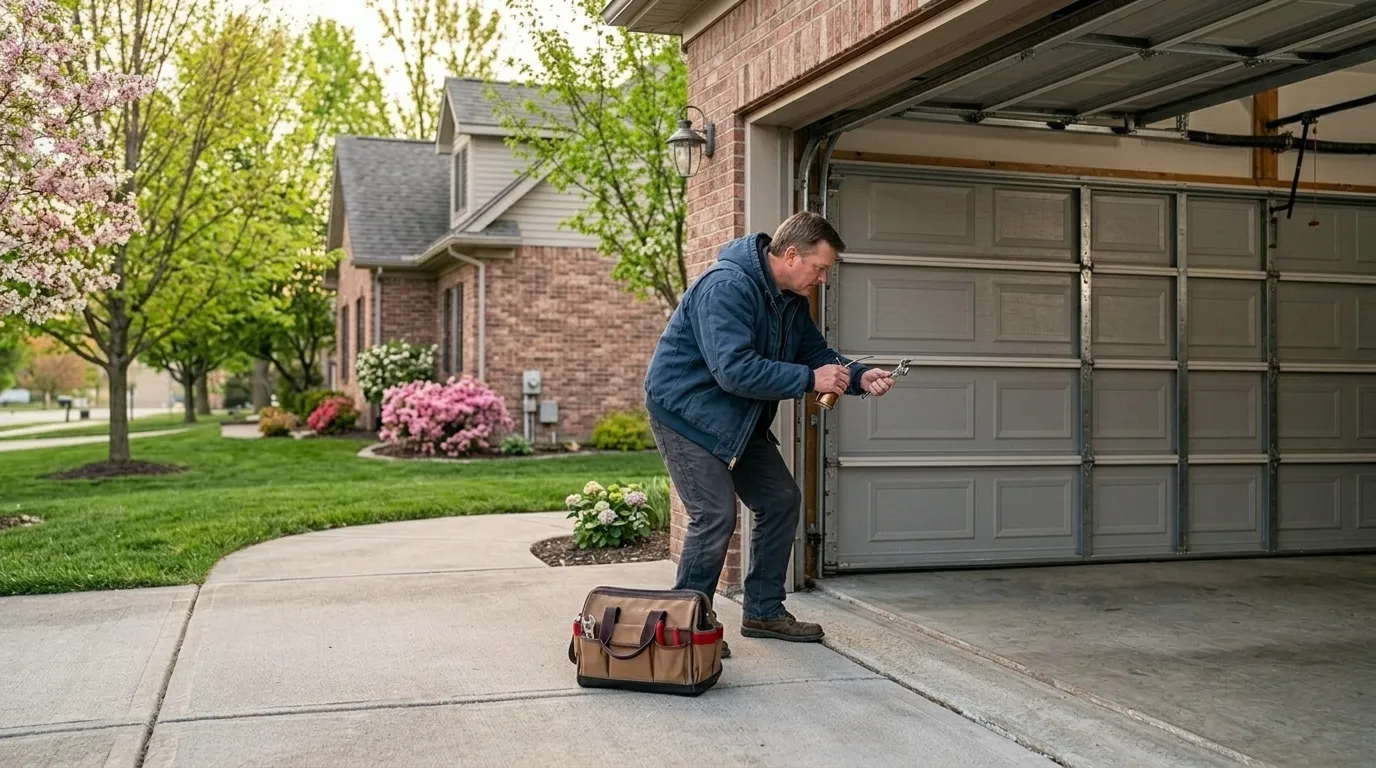
Garage Door Off Track
Doors that jumped the track reset safely, with rollers and alignment checked so it holds.
Learn more →
Garage Door Repair
Springs, cables, tracks, rollers, and openers fixed by a tech who explains the problem before touching anything.
Learn more →Frequently Asked Questions
Why does my garage door get so much harder to open in winter?
Cold makes steel torsion springs stiffer and less able to hold tension, and on an older door - a lot of homes here date to the 1960s - that spring may already be near the end of its life. Combine that with hardened grease in the opener gears and you get a door that groans, hesitates, or won't fully close until it warms up.
Is it worth insulating an old garage door instead of replacing it?
Sometimes. If the panel and track are sound, adding an insulation kit can help, but a lot of pre-1996 doors here are single-layer steel with no room to retrofit a proper thermal break. At that point a new insulated door usually costs less over time than patching an old one every winter.
How do I know if my opener is too old to repair?
If it's original to a house built in the 1960s or 70s, parts availability is the real issue, not whether we can fix it. When a part is discontinued, we'll say so rather than quote a repair that won't hold.
Have a Door That Needs a Second Opinion?
Call and describe what it is doing - we will tell you what it likely is.