Service
Garage Door Opener Installation, Built for Wyckoff's Older Garages
Opener installs for Wyckoff's 1960s-era garages: matched to original header clearance, wired for cold-severe winters, stocked on the truck. Serving the surrounding towns too.
- Licensed & Insured
- Same-Area Service Calls
- Upfront Pricing
What Happens When You Call
-
1
Call or Request a Quote
Tell us what the door is doing and roughly how old the house is - that alone points us toward the likely part before a truck leaves.
-
2
On-Site Diagnosis
A tech checks the spring, cables, tracks, and opener in person and tells you plainly what is actually wrong.
-
3
Straight Price, No Surprises
You get a number before any work starts. It covers parts and labor, nothing added after the fact.
-
4
Fixed the Same Visit
Most repairs are done in one trip. If a part needs sourcing, we tell you that upfront instead of guessing.
What You Pay
We don't post a flat number here because no two openers cost the same to put in. A straight swap onto working rail and bracket hardware is one job.
Pulling out a chain-drive unit that's bolted into 1960s-era framing, rerouting the safety sensor wiring, and adding a new outlet because the old one is on the same circuit as the porch light is a different job entirely. Across the service area, most garages sit on houses built between 1938 and 1996, with the bulk from the 1960s and 70s, so the framing and mounting spacing you're starting with matters more than the opener model you pick.
What we can tell you: belt-drive units cost more up front than chain-drive, run quieter, and hold up better once winter sets in. Battery backup is worth asking about if you've lost power mid-storm before.
We'll walk the garage, tell you what the install actually involves before we quote it, and we won't pad the job with work the door doesn't need. If your existing track and springs are shot, we'll say so before we talk opener at all - installing a new opener on a dying spring system is a callback waiting to happen.
How It Shows Up
Most calls start the same way: the opener runs but the door doesn't move right, or it reverses for no reason, or it's just gone quiet. In houses from the 1960s and 70s that make up most of this area's stock, the pattern we see most is an original or long-replaced chain-drive unit finally giving out after years of dragging a door that's gotten heavier as springs weaken and rollers wear.
Cold makes it worse. This area sits in a climate band the federal data marks cold-severe, and that means real swings between a warm afternoon and a hard freeze overnight. Chain drives tighten up in the cold and the extra strain on the motor shows up as slow starts, grinding, or a door that stalls halfway.
Photo-eye safety sensors mounted low near the slab ice over or get knocked out of alignment by frost heave in the concrete, and the door won't close until someone clears them by hand. None of that means the opener is broken - sometimes it means the door and track underneath it need work first, and no new opener fixes that.
Stocked Parts
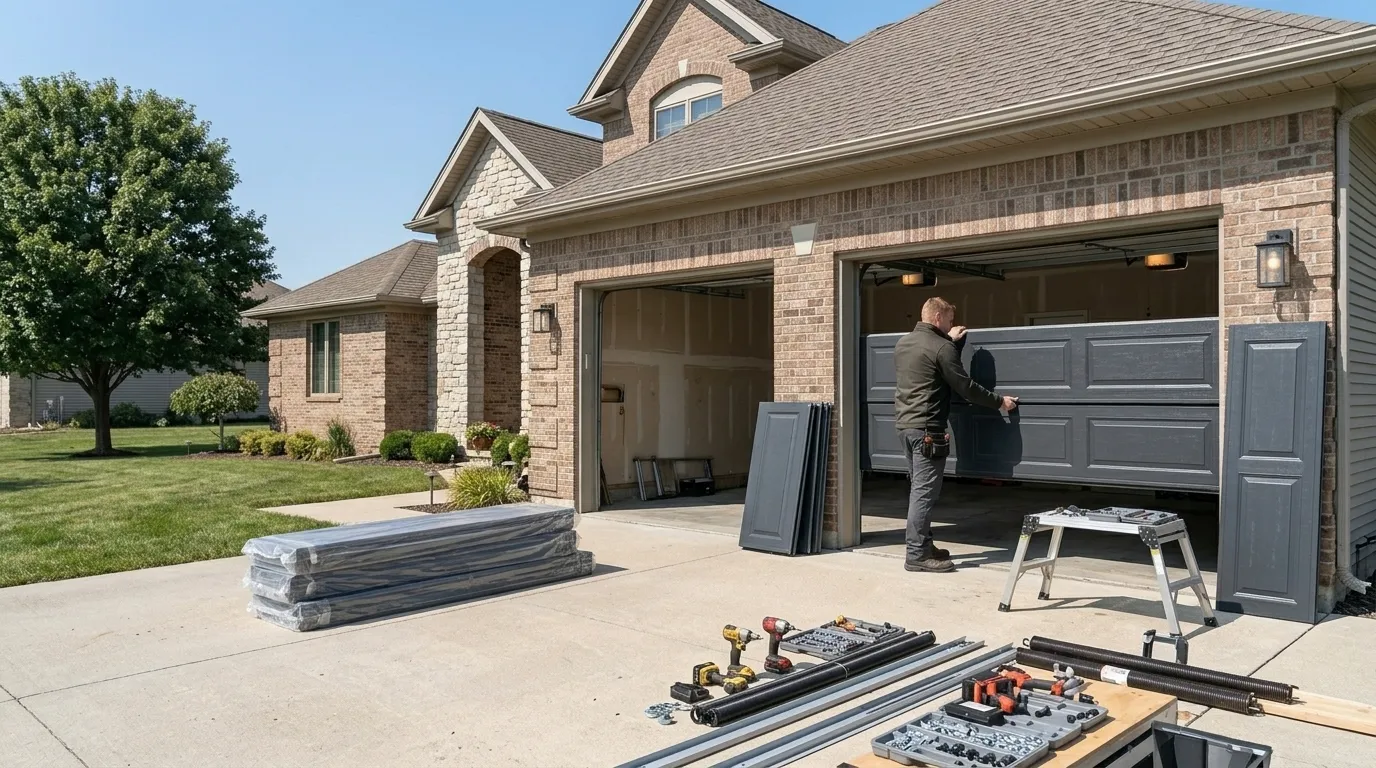
We carry belt-drive and chain-drive openers on the truck along with the rail kits, safety sensors, and wall consoles that match them, because a same-day install only works if the parts show up with the truck instead of on backorder. What we stock is sized for what's actually out there: garages built in the 1960s and 70s with header clearance and bracket spacing from that era, not the wider mounting some newer belt-drive units assume.
We also keep battery backup units on hand, given how often winter outages here coincide with the exact week a garage door gets used the most. What we don't stock is every smart-home integration on the market - if you want a specific app ecosystem or a particular video doorbell tie-in, ask before we order, because that part may need a lead time we can't shortcut. We'd rather tell you that up front than promise same-day on something we don't have.
Why This Fails Locally
The failure pattern here traces straight back to the housing stock. With homes across the area built mostly between 1938 and 1996, and a solid majority from the 1960s and 70s, a lot of garages were framed for openers and door hardware that predate the belt-drive, wifi-enabled units sold today. The header clearance, the bracket spacing, even the outlet placement in the ceiling often assumes an opener design that hasn't been made in decades, which is why a straight swap sometimes turns into a bracket-and-wiring job.
The cold-severe climate band this area sits in adds a second failure mode on top of the first. Metal contracts, chain drives bind, and lubricant that worked fine in October gums up by January. An opener that's marginal in fall usually fails outright on the first hard freeze, not because it's a bad unit but because the strain of cold plus aging hardware finally adds up.
Replacing the opener alone treats the symptom. Matching the new unit to the garage's actual bones - and to a winter that gets genuinely cold, not just chilly - is what keeps the fix from being a repeat call next January.
Talk to a Technician Before You Book
Describe what the door is doing and get a straight answer on what it likely needs.
Jobs Like Yours
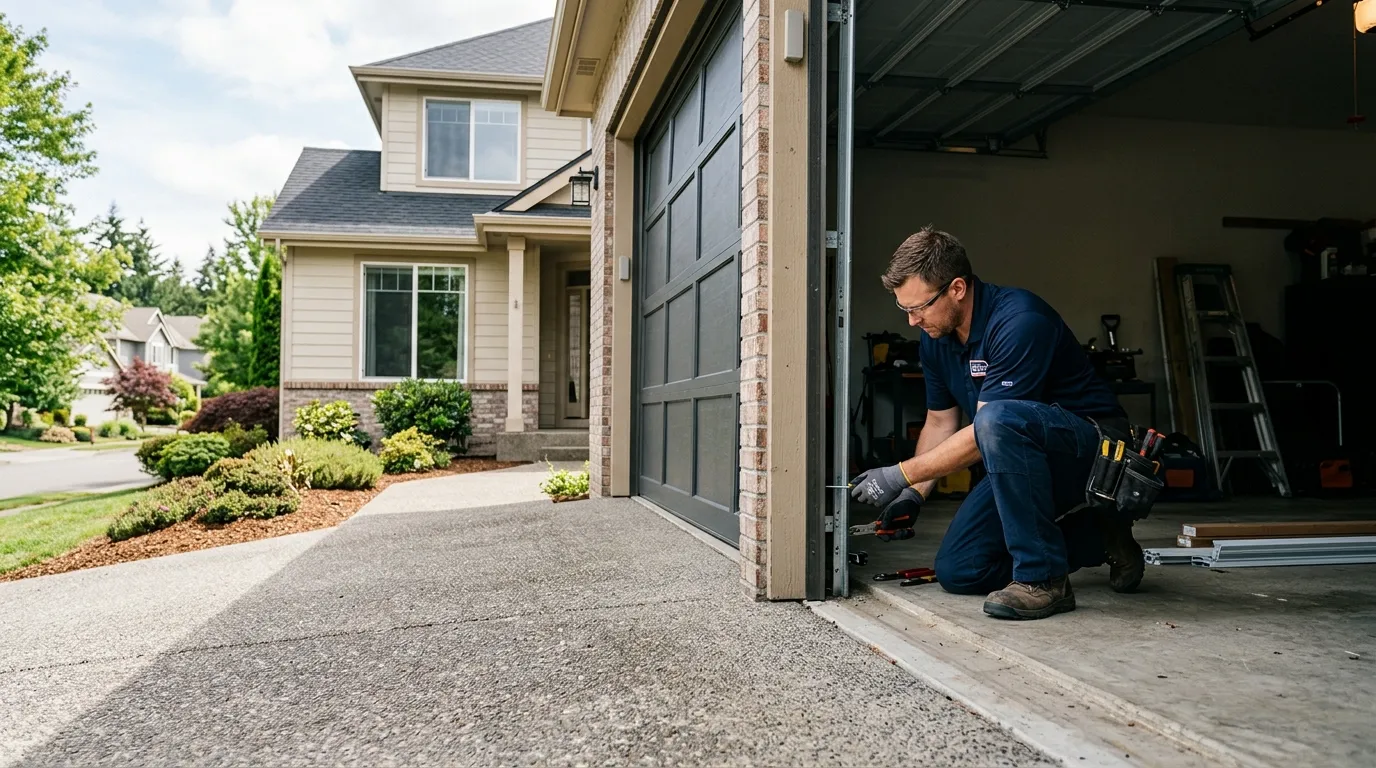
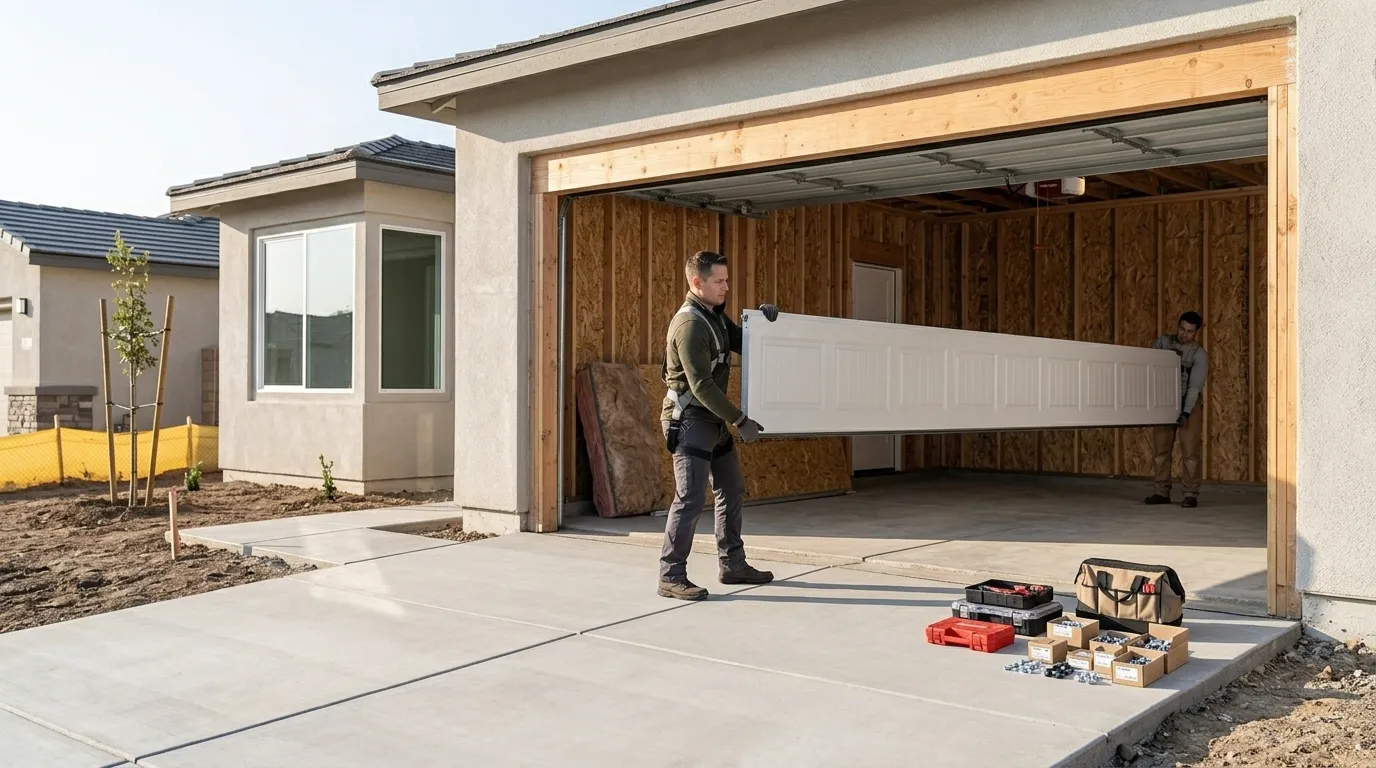
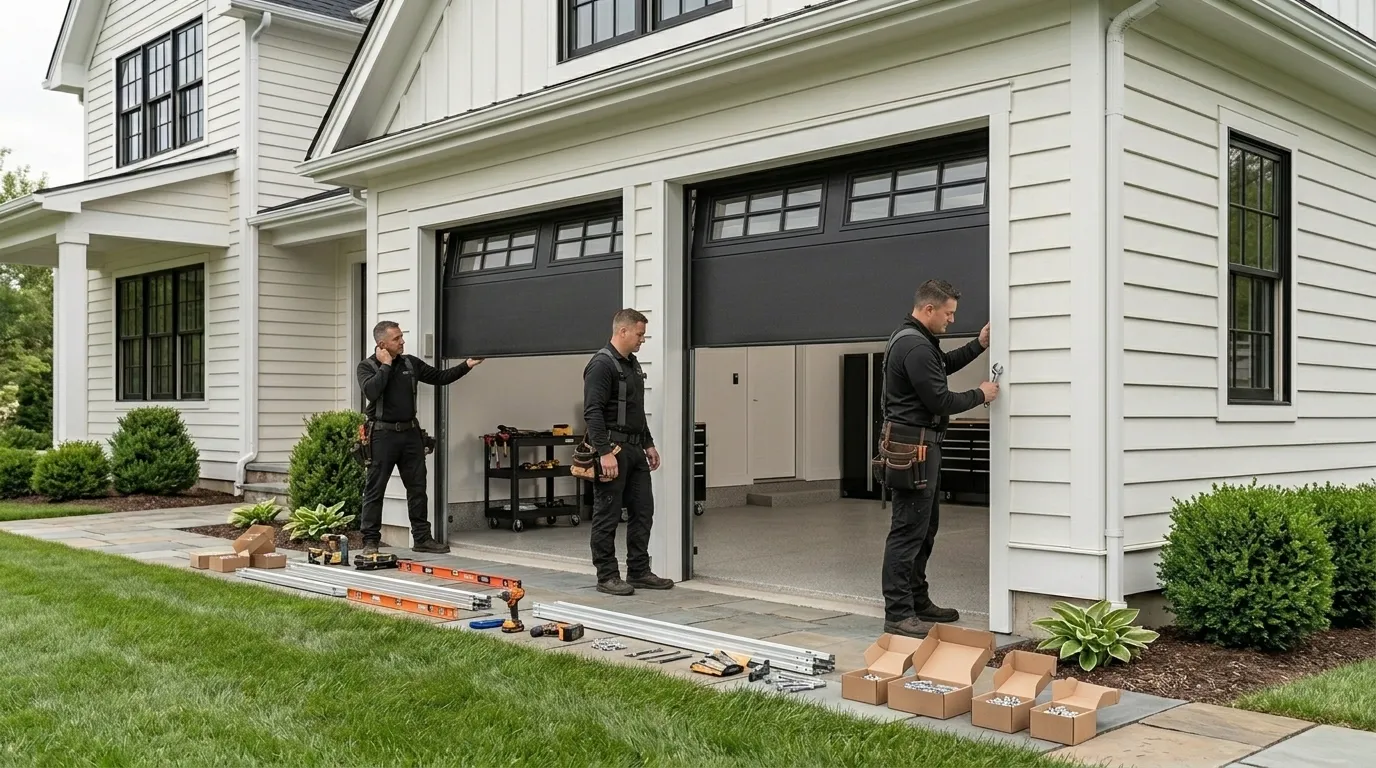
Recent work from this service line.
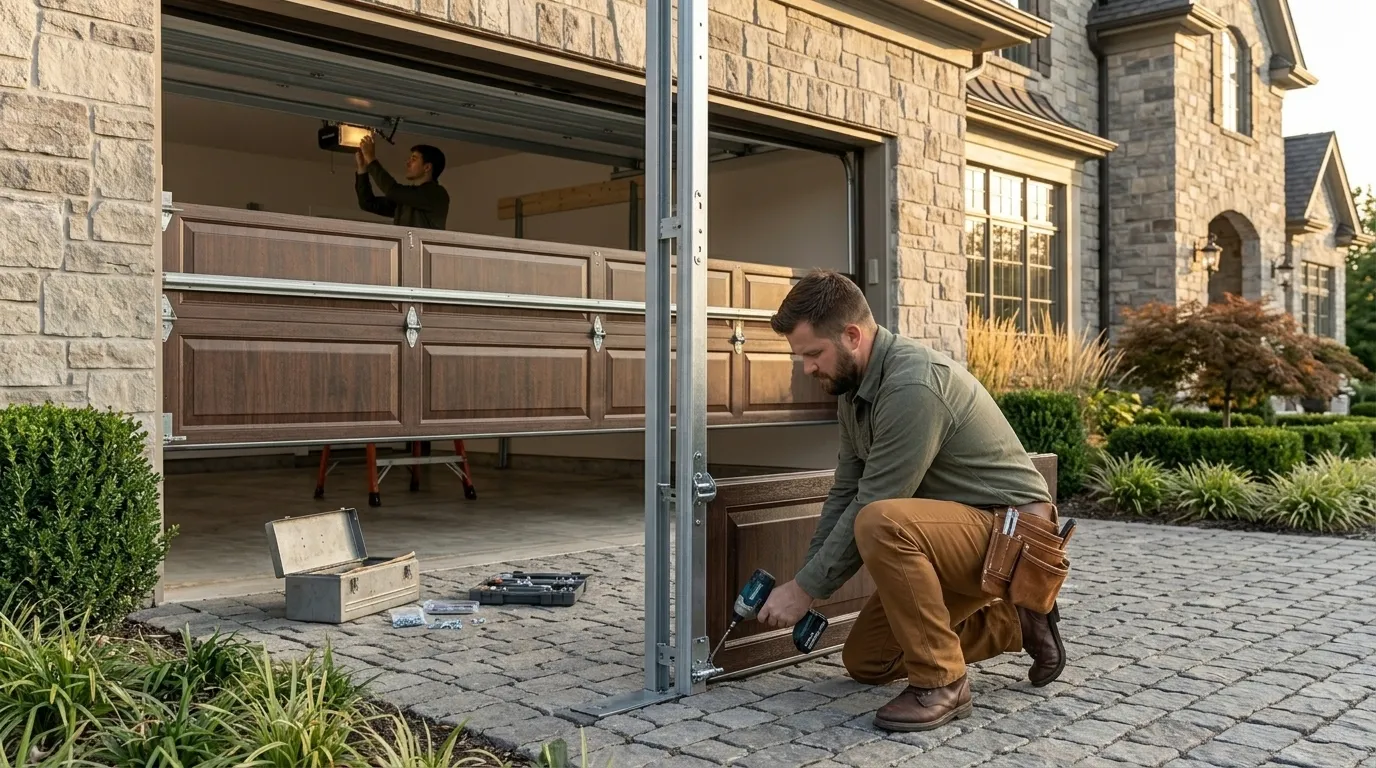
Why Wyckoff Calls Us
Frequently Asked Questions
Can you install a new opener on my existing garage door and track?
Usually, yes, if the track and springs are in good shape. We check both before we quote the opener, because bolting a new motor onto a door that's already struggling with worn rollers or a tired spring just moves the failure point, it doesn't fix it. If the door needs work first, we'll tell you and price them separately.
Why does my opener struggle more in winter?
This area sits in a cold-severe climate band, and that swing between warm days and hard freezes is rough on chain-drive openers especially. Metal contracts, lubricant thickens, and photo-eye sensors near the slab can ice over. A unit that's borderline in October often fails outright once real winter sets in.
Do you carry belt-drive openers in stock or is that a special order?
We keep both belt-drive and chain-drive units on the truck along with matching rail kits and sensors, so most installs happen the same visit. Specific smart-home integrations or particular app ecosystems can carry a longer lead time - ask before we order if that matters to you.
Will a new opener fit my garage without modifications?
Depends on the garage. A lot of houses in this area were built in the 1960s and 70s, and the header clearance and mounting spacing from that era doesn't always match what newer belt-drive units expect. Sometimes it's a straight swap, sometimes it needs a bracket adjustment. We'll know once we look.
Need Garage Door Opener Installation, Built for Wyckoff's Older Garages?
Call now for straight answers on cost and timing.