Nearby Community
Garage Door Repair and Service for Lodi, NJ Homes
Wyckoff Garage Door Pros drives 10 miles to Lodi, NJ for repairs on the torsion springs, steel tracks, and openers common in the town's 1958-era housing stock.
- Licensed & Insured
- Same-Area Service Calls
- Upfront Pricing
Garage Door Services in Lodi
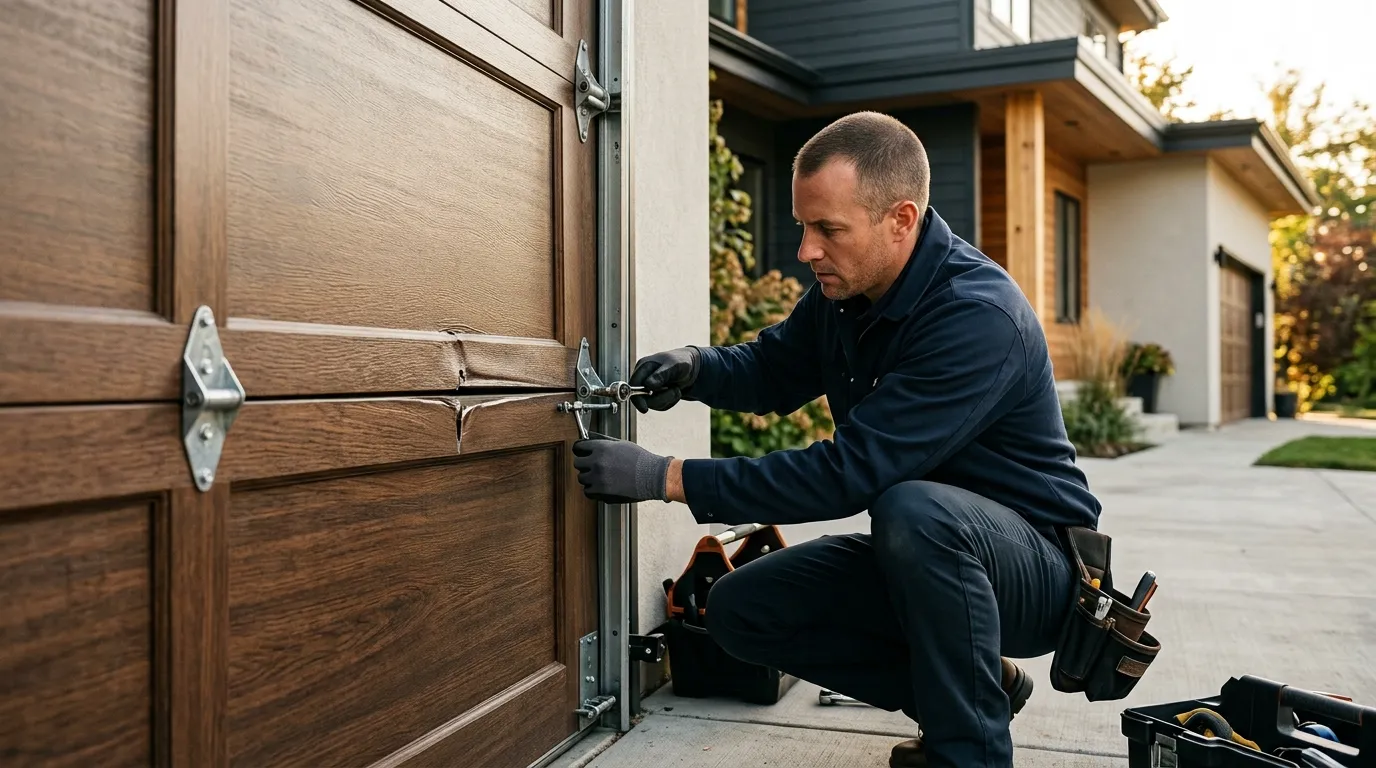
Garage Door Opener Repair
Openers that hum, stall, or reverse - diagnosed and fixed, from worn gears to logic boards.
Learn more →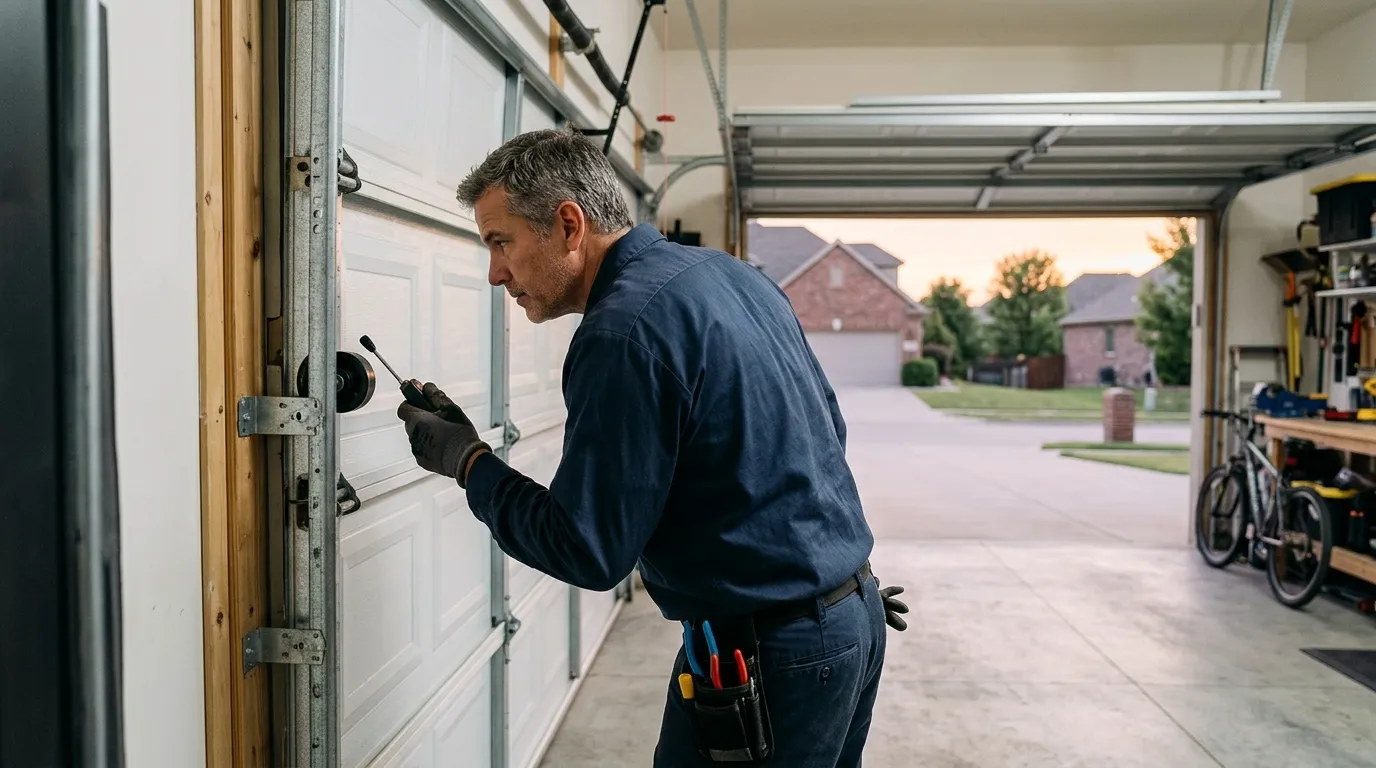
Garage Door Spring Repair
Broken torsion and extension springs replaced and the door rebalanced in the same visit.
Learn more →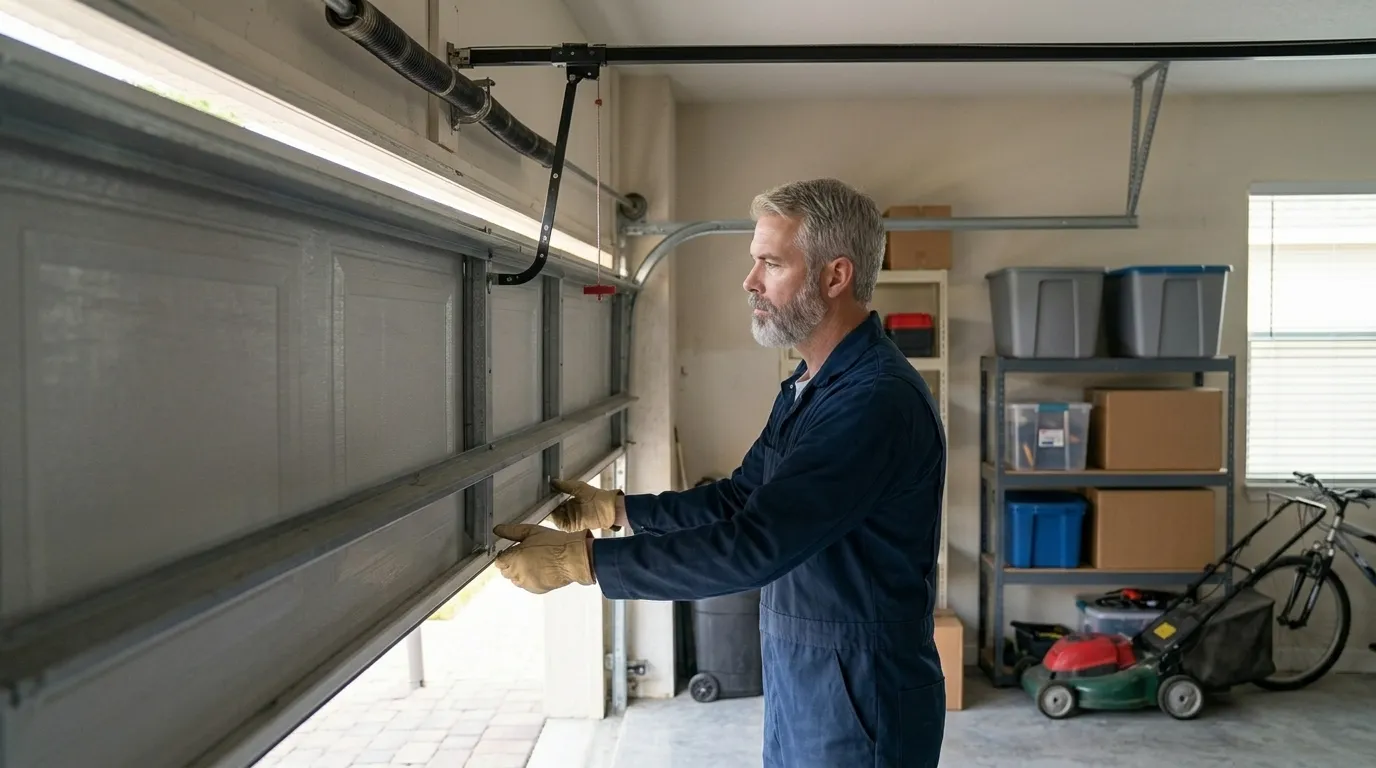
Garage Door Service
Tune-ups, lubrication, and safety checks that catch a small problem before it becomes a service call.
Learn more →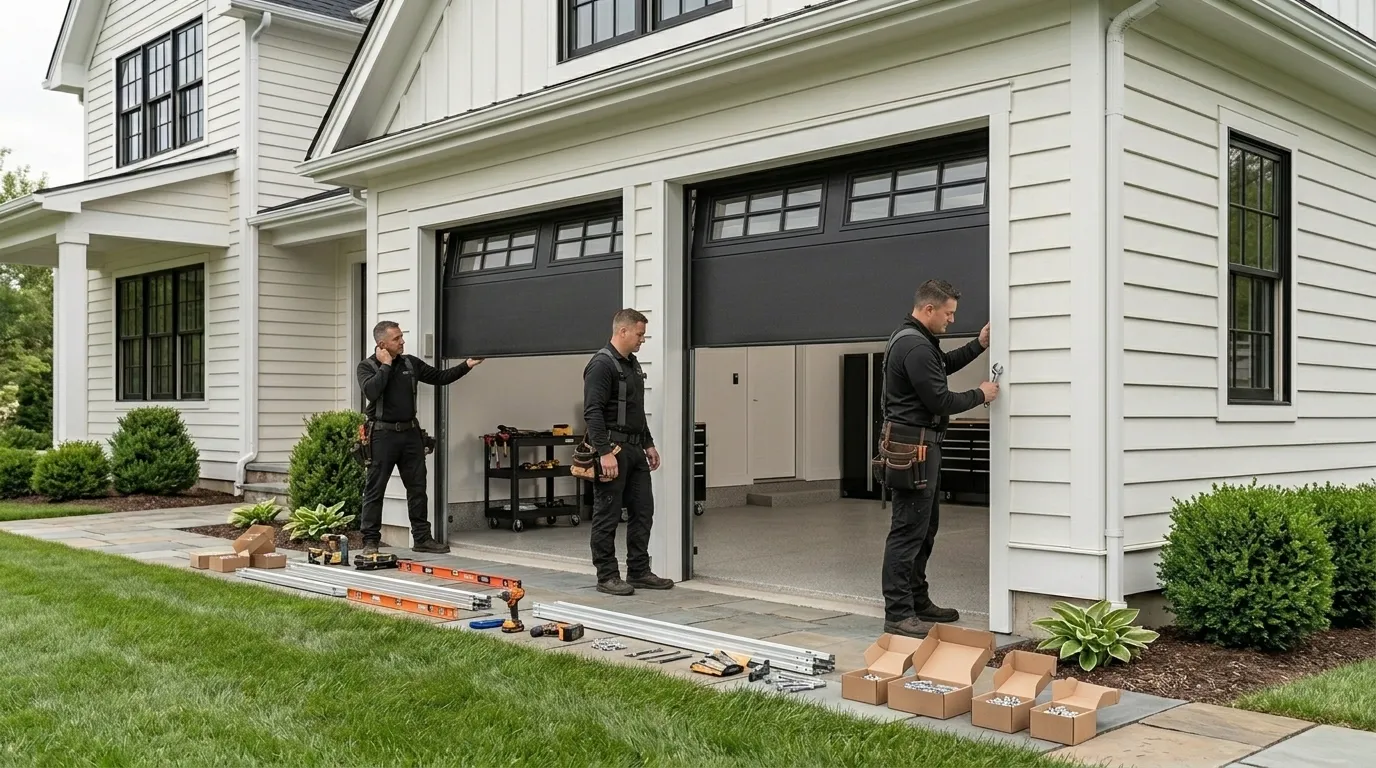
Garage Door Off Track
Doors that jumped the track reset safely, with rollers and alignment checked so it holds.
Learn more →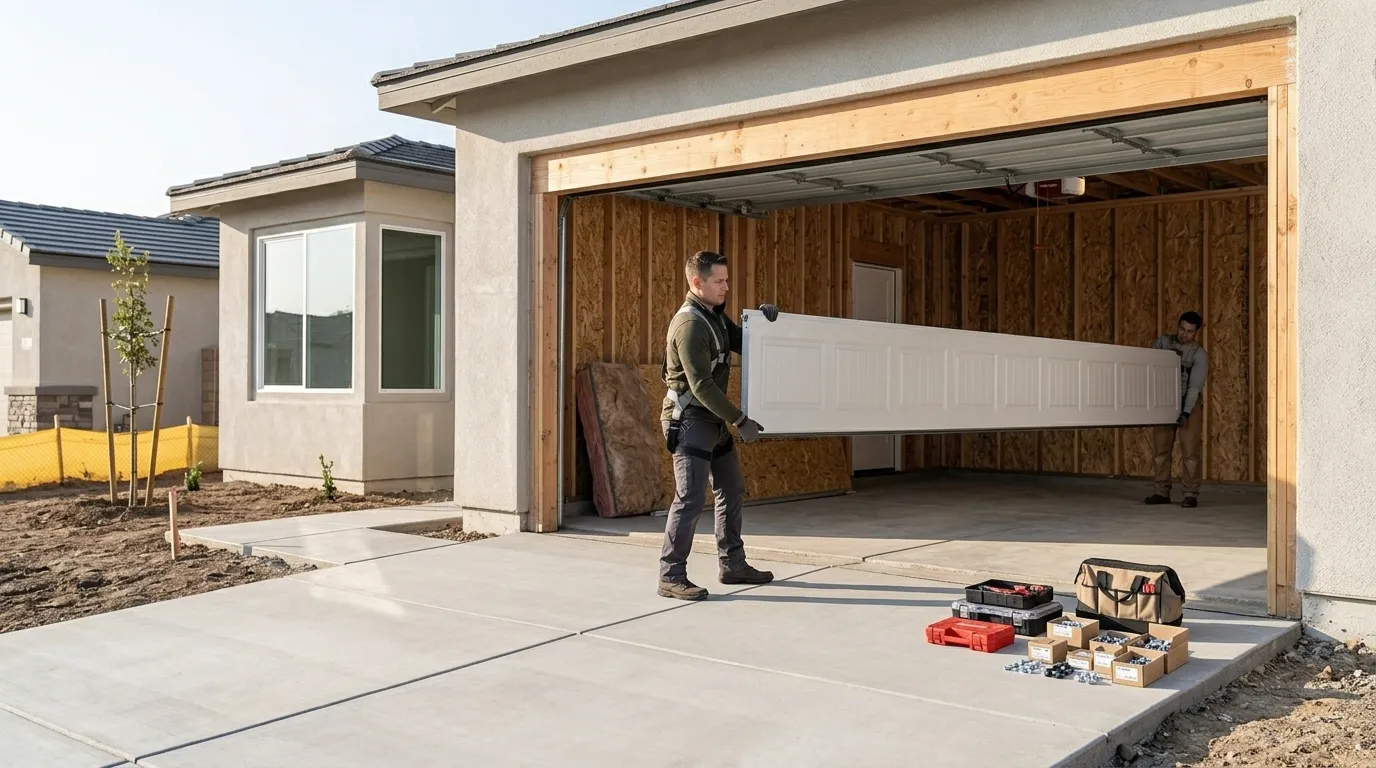
Garage Door Repair
Springs, cables, tracks, rollers, and openers fixed by a tech who explains the problem before touching anything.
Learn more →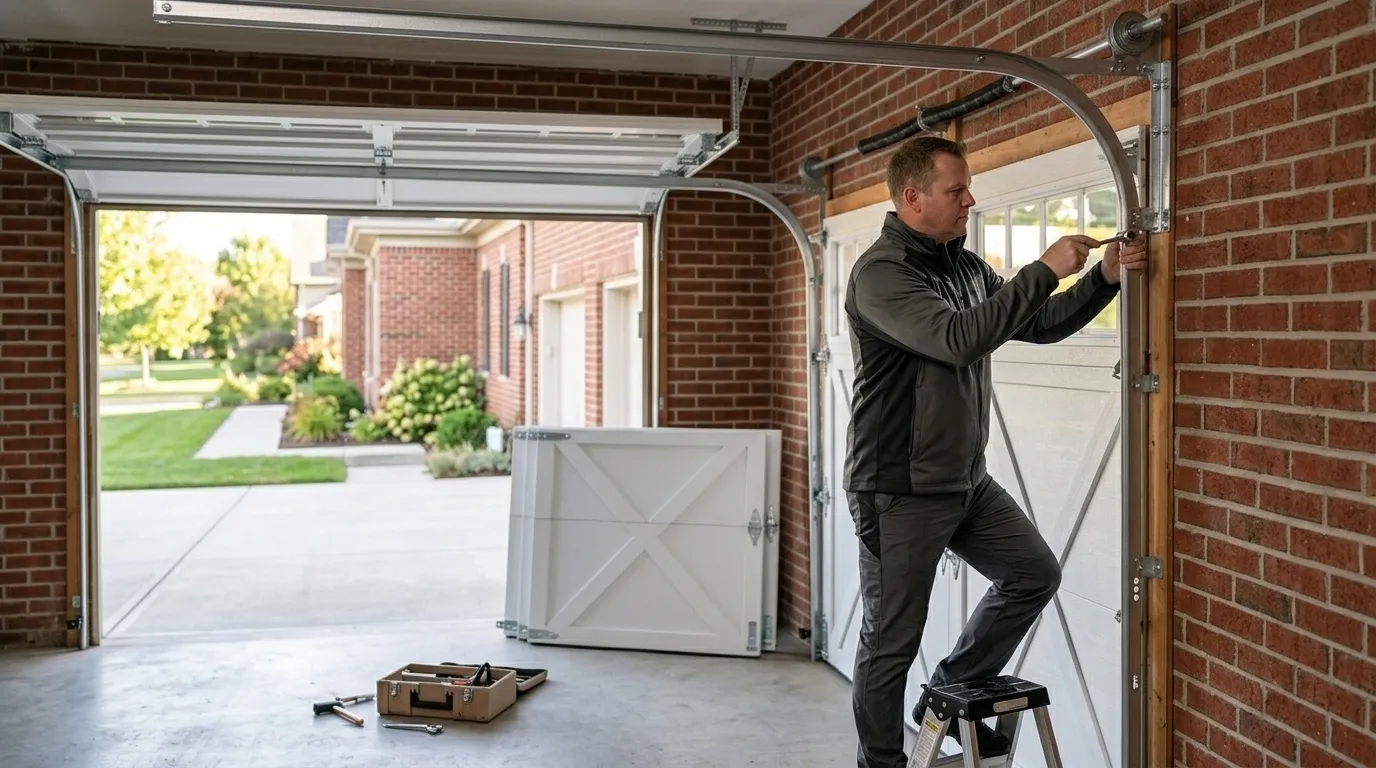
Garage Door Opener Installation
New openers sized to your door and set up with the safety sensors dialed in.
Learn more →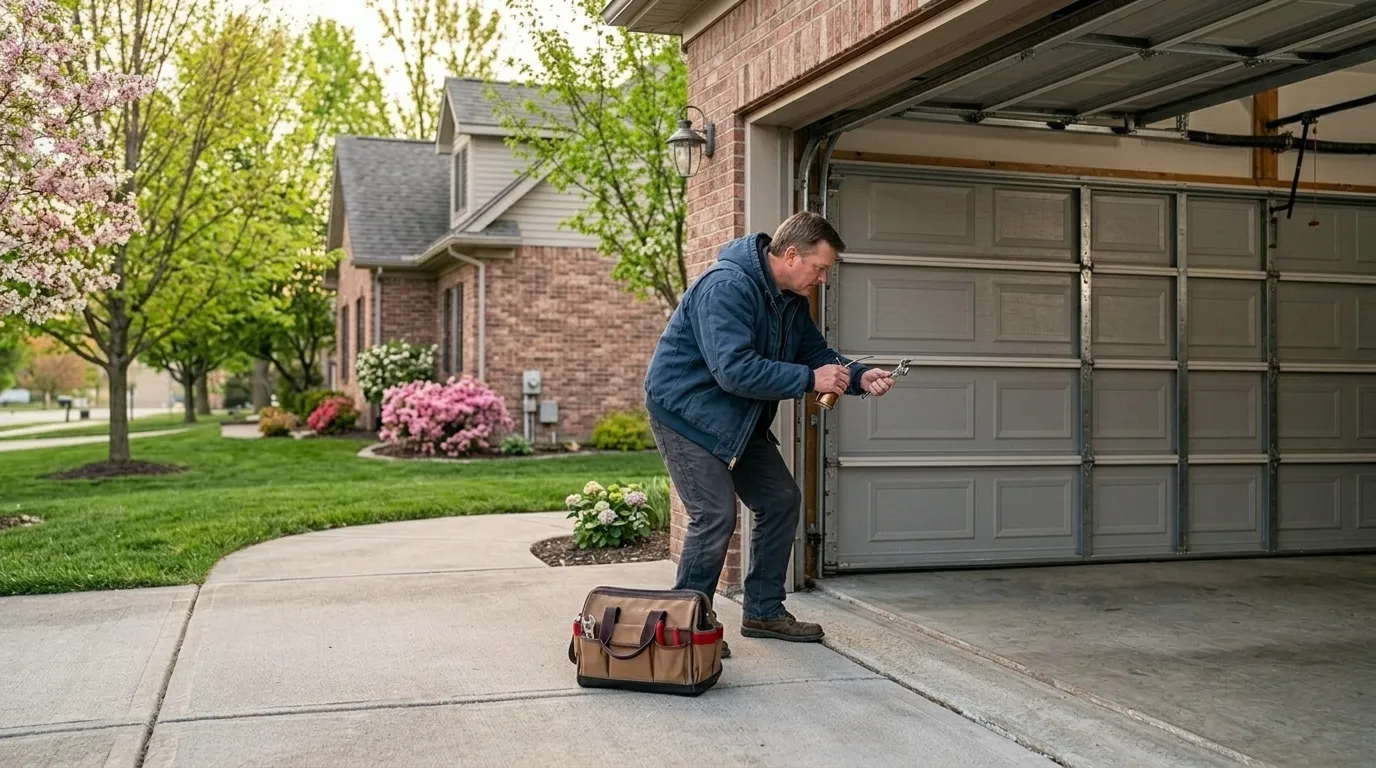
Garage Door Panel Replacement
Dented or cracked panels swapped without replacing the whole door where the frame is sound.
Learn more →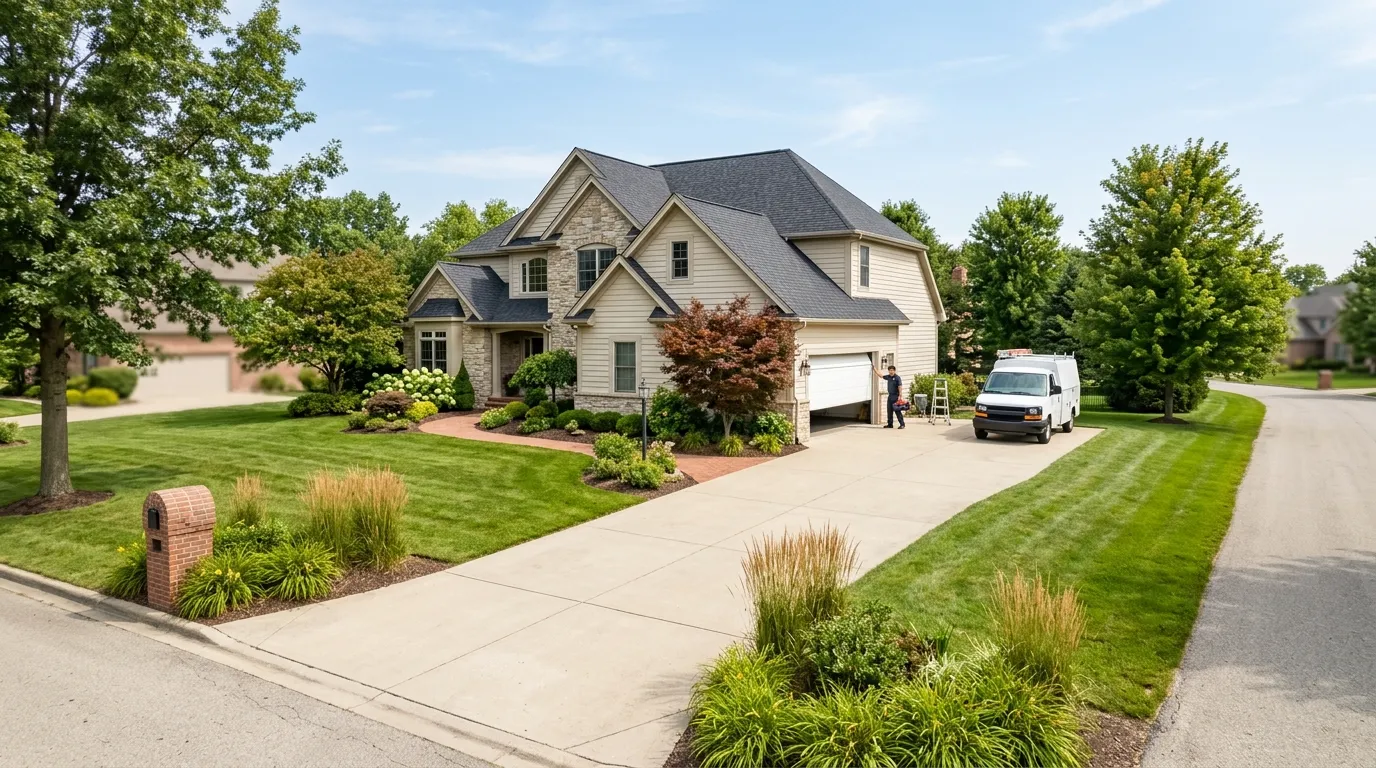
Garage Door Installation
New sectional doors sized and installed for the housing stock actually built in this area.
Learn more →What We Do Most in This Area
Lodi's housing stock centers on 1958, two years earlier than the broader service area's median of 1960. That two-year gap matters more than it sounds like on paper.
Houses built right around 1958 in this part of New Jersey tend to have narrower garage bays and lighter-gauge steel doors than the ranches and split-levels that went up in the following decade. We spend most of our time on this street pattern working torsion springs sized for those narrower openings, and swapping out the roller and track hardware that was standard before galvanized nylon rollers became the norm.
We also see a fair number of openers that were bolted onto original doors well after the house was built - chain-drive units from the 80s and 90s retrofitted onto 1958 framing that was never squared for a motor mount. Getting the travel limits and force settings right on that combination takes more adjustment than a newer install, and it's a job we come across often enough here that we budget extra time for it.
We travel the 10 miles from our Wyckoff shop to handle these calls, so we don't keep a truck stationed in Lodi - the honest tradeoff is that same-day service depends on the day's route, not a standing local presence.
The Calls We Get From Here
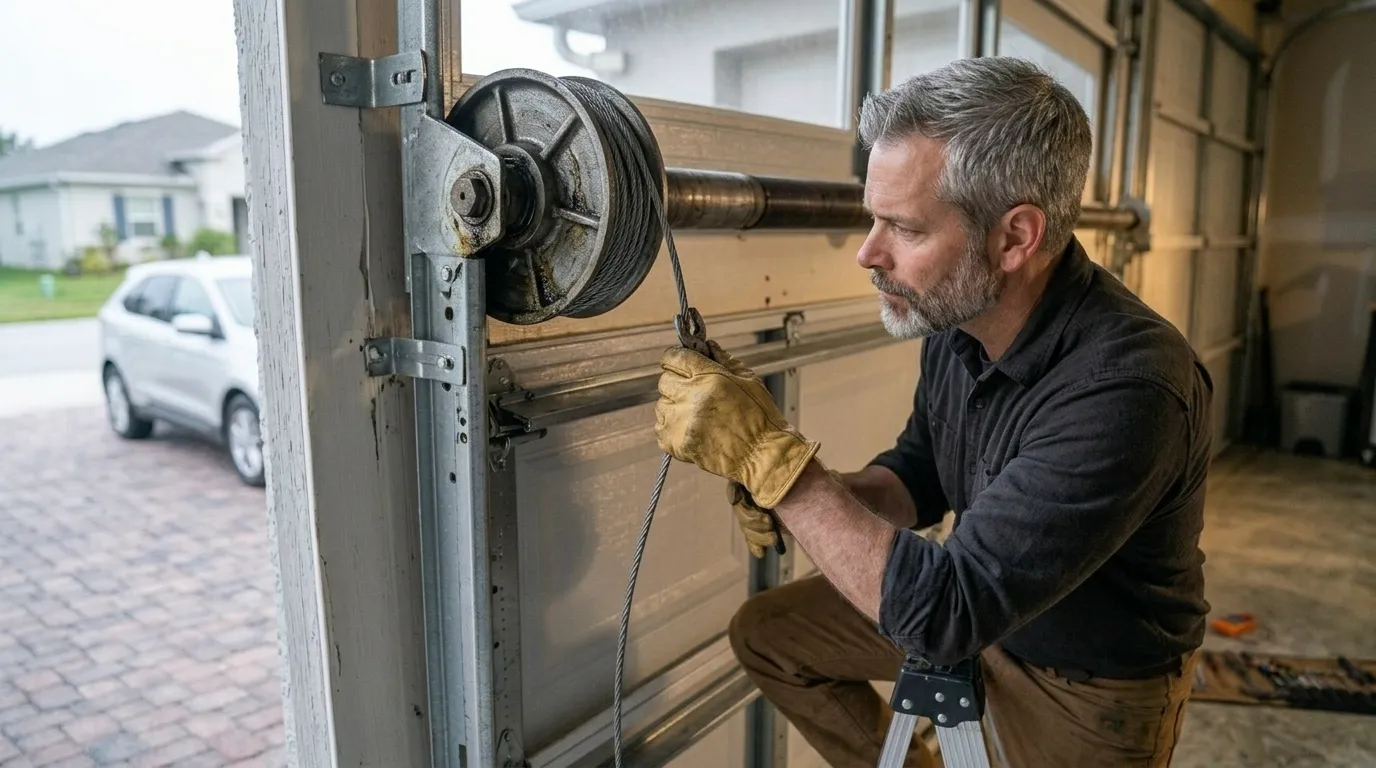
The calls out of Lodi split fairly evenly between two problems: a spring that's let go on a door still running its original torsion hardware, and an opener that's stopped responding after years of being asked to lift a heavier door than it was built for. Both trace back to the same root - houses built around 1958 were fitted with doors and springs sized for the materials of that era, and decades of partial replacements (a new opener here, a new panel there) leave mismatched systems that fail at the seams.
We also field calls about doors that bind halfway up. On a lot of these properties the track was never resquared after the original install settled, and it only becomes obvious once a roller wears down enough to catch on the misalignment. It's not a dramatic failure, just a slow one, and it tends to get reported as 'the door's been sticking for months' rather than 'the door just broke.'
What we don't get many calls about here is glass panel damage or insulation retrofits - Lodi's stock skews toward solid steel or wood doors from the period, not the glass-heavy styles that show up in newer construction elsewhere in the area.
How That Shows Up in the Door
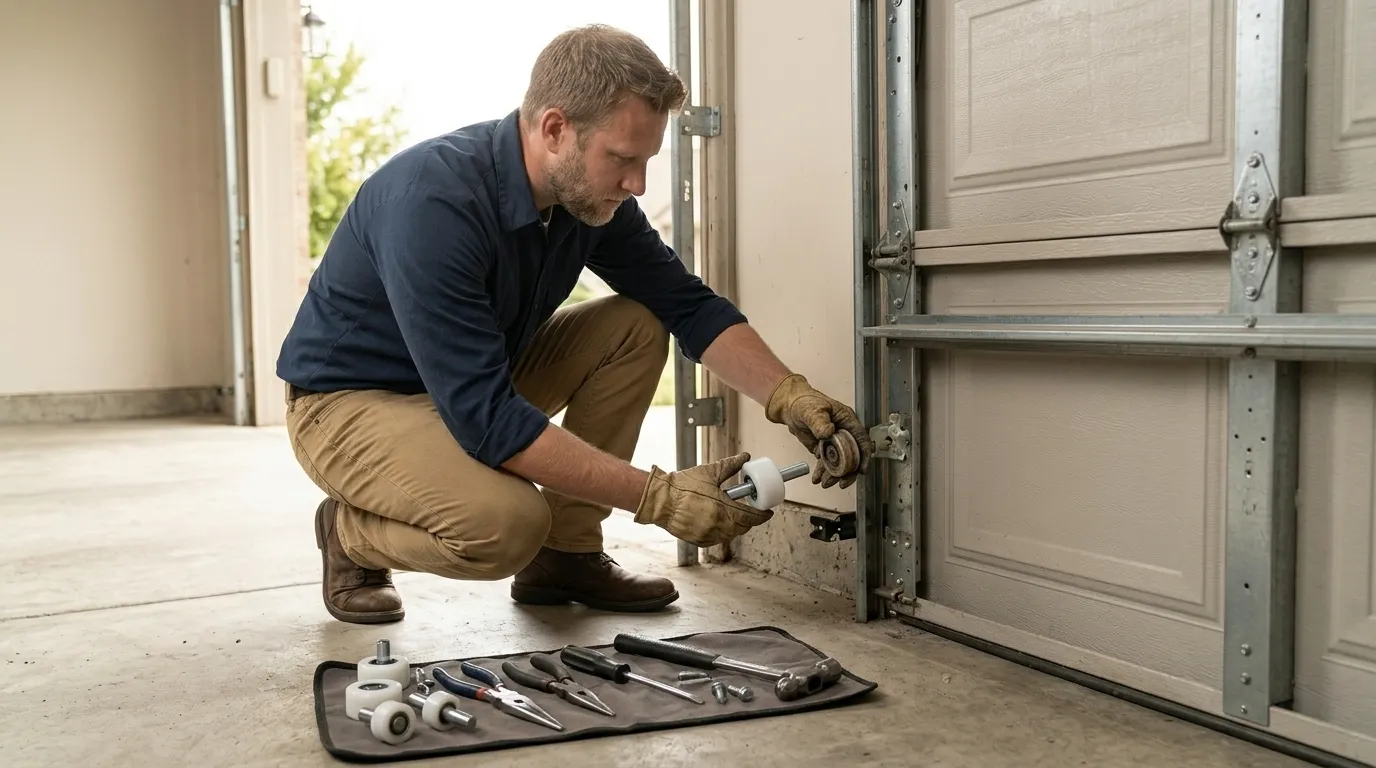
A door built to 1958 specs and a door built to 1975 specs don't share hardware, even if they look similar from the driveway. The older doors in Lodi tend to run on 2-inch track with lighter springs than what you'd size for a modern insulated steel door of the same width, which means a mismatched spring - one pulled from a newer parts bin - either overloads the opener or leaves the door too heavy to lift by hand if the power's out.
The climate here doesn't help matters. This area sits in a cold, severe winter band, and steel hardware that's been through 60-plus winters of temperature swings develops metal fatigue that isn't always visible until a cable frays or a spring snaps under normal use. We check for that wear specifically on service calls to houses in this age range rather than waiting for a full failure.
We'll say plainly where we draw a line: if the door itself has warped or the track is bent beyond a clean realignment, we're going to recommend replacement over another round of patch repairs. Chasing a bad frame with new hardware every year or two costs more than doing it once, correctly.
The Houses Here
Lodi has around 9,381 households (compared to 921,135 across the full service area we cover from Wyckoff), and median household income here runs $84,570 - notably below the $126,221 median for the broader area. That difference shows up in the calls we take: more owners here are repairing a working-but-aging door rather than replacing it outright, and more jobs involve fixing one failed part - a spring, a section of track, a worn roller - rather than a full system swap.
The age of the stock, centered on 1958, means original one-piece and sectional steel doors are still common, often on hardware nobody has manufactured in decades. When we can source a compatible spring or roller size, we do.
When we can't, we're upfront that a full door replacement is the more honest fix rather than forcing an incompatible part onto old track. We don't inflate that recommendation - if a repair genuinely holds, we say so.
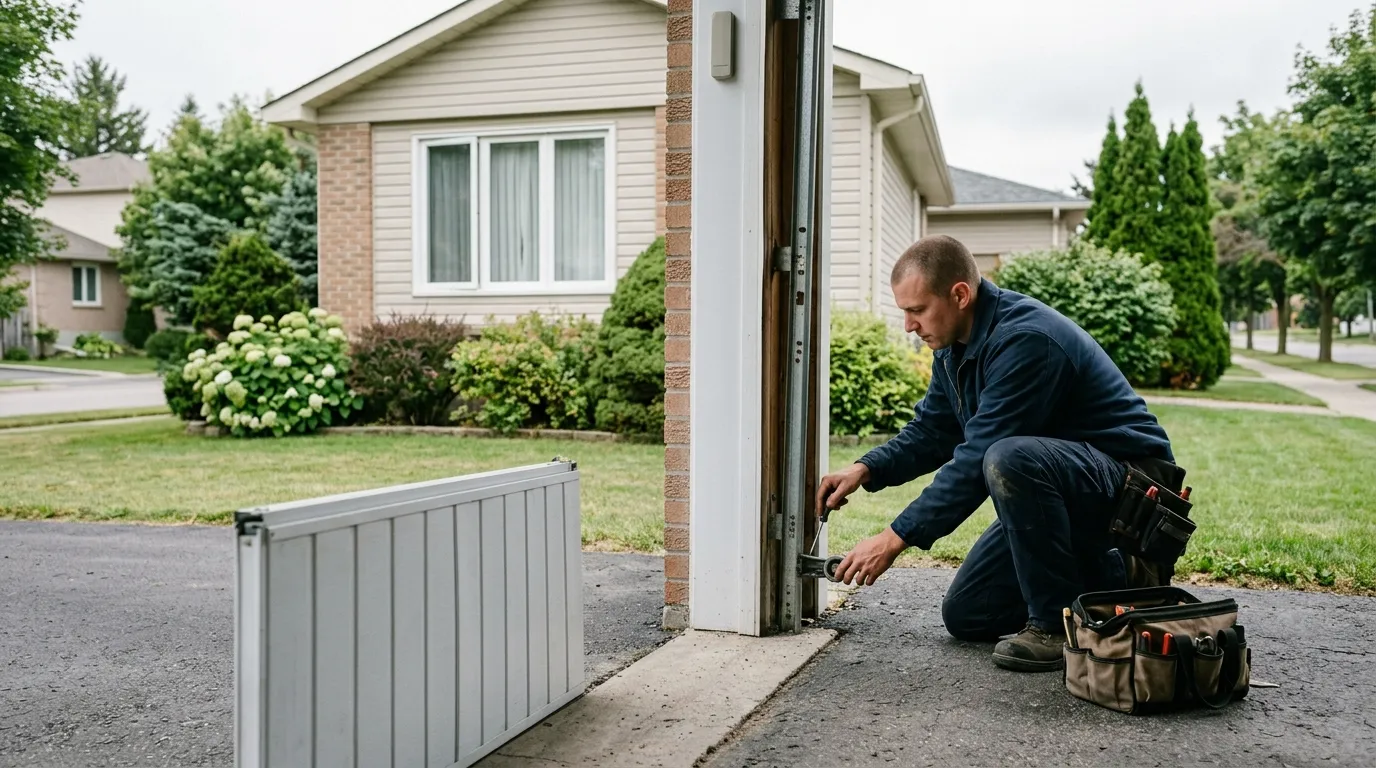
What Happens When You Call
-
1
Call or Request a Quote
Tell us what the door is doing and roughly how old the house is - that alone points us toward the likely part before a truck leaves.
-
2
On-Site Diagnosis
A tech checks the spring, cables, tracks, and opener in person and tells you plainly what is actually wrong.
-
3
Straight Price, No Surprises
You get a number before any work starts. It covers parts and labor, nothing added after the fact.
-
4
Fixed the Same Visit
Most repairs are done in one trip. If a part needs sourcing, we tell you that upfront instead of guessing.
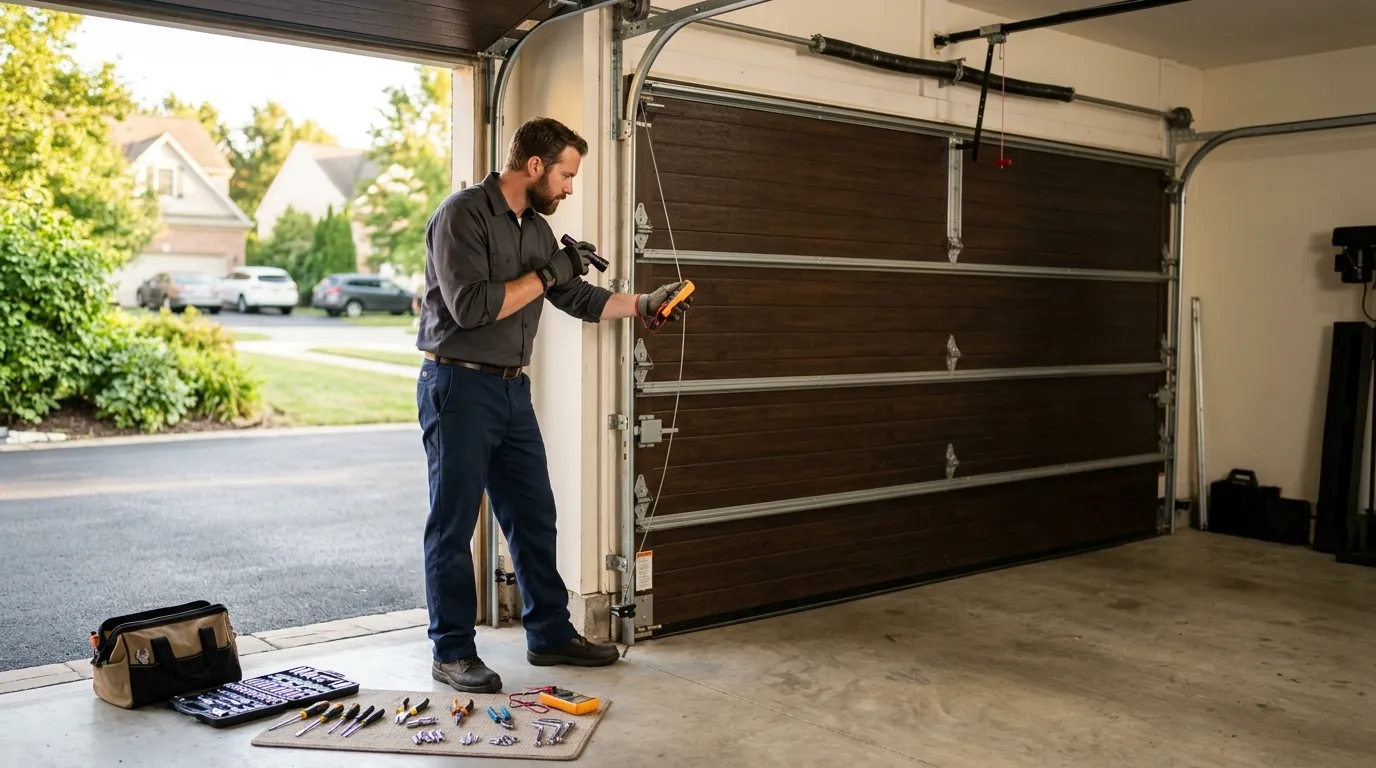
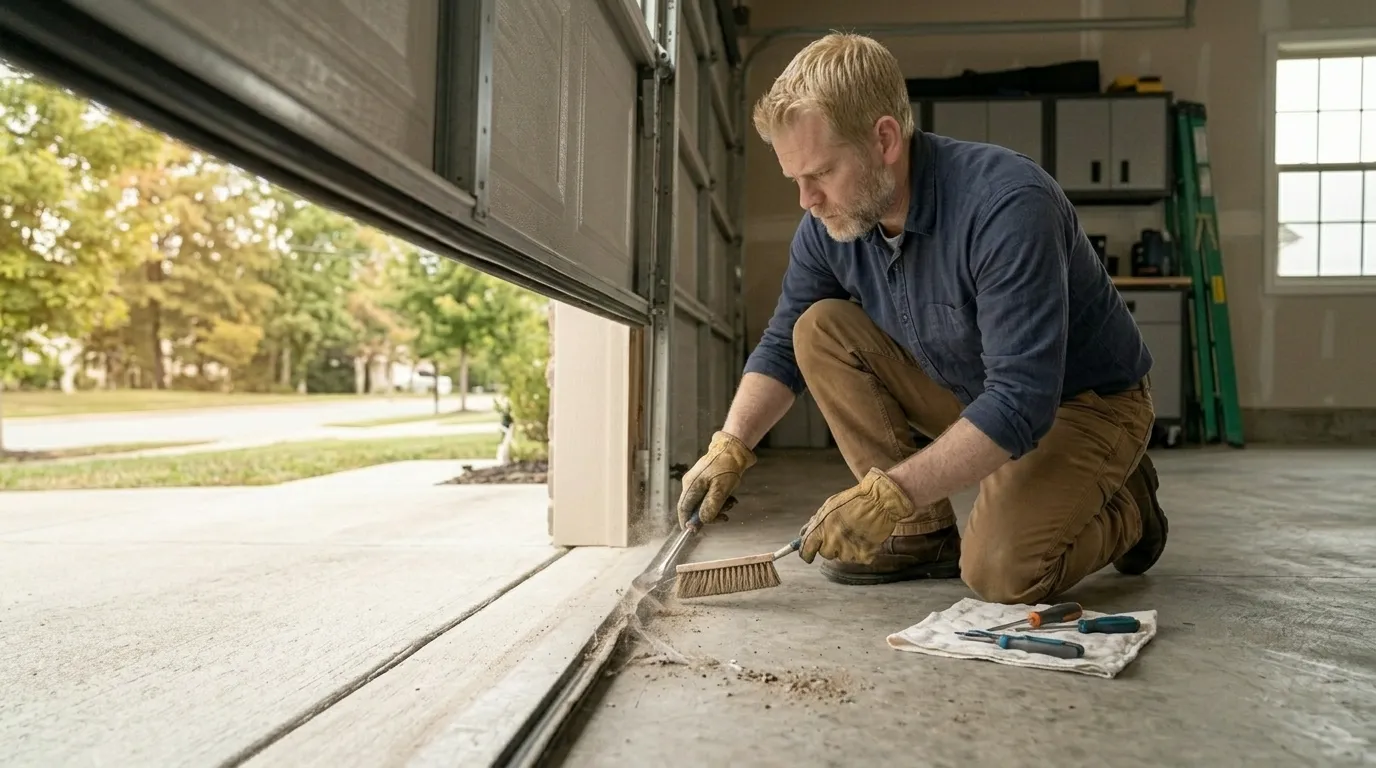
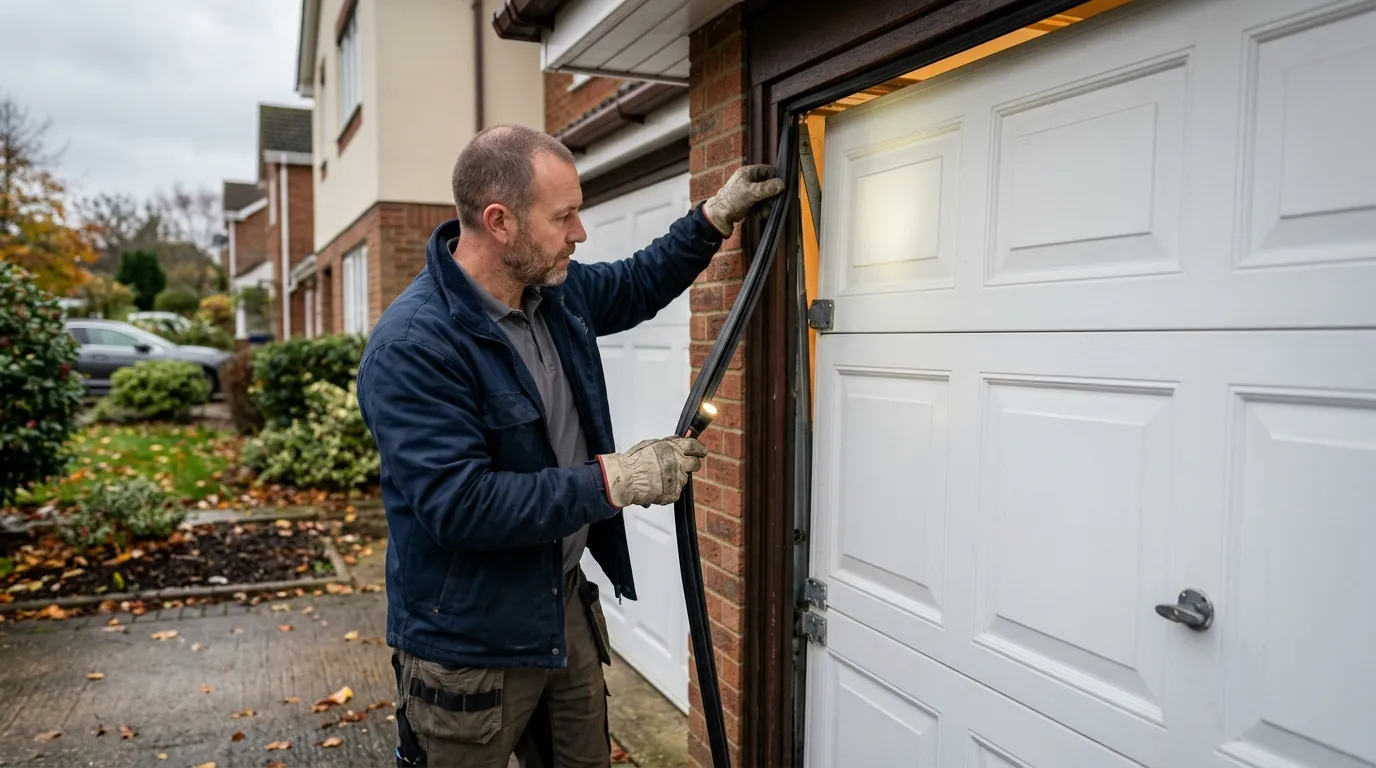
Recent Work Near Lodi
Frequently Asked Questions
Do you have a shop in Lodi?
No. We run out of Wyckoff, about 10 miles away, and drive to Lodi for scheduled calls. That means service depends on the day's route rather than a local depot, so it's worth calling ahead to check timing rather than expecting a same-hour arrival.
Why does my garage door spring keep breaking?
On houses built around 1958, like much of Lodi's stock, torsion springs were often sized for lighter, older-style doors. If a heavier replacement door or a retrofit opener was added later without resizing the spring, it will wear out and snap far sooner than it should.
Is it worth repairing an old wood garage door or should I replace it?
If the panels and frame are still square and the wood hasn't rotted, a repair on hardware - springs, rollers, cables - usually makes sense. If the frame has warped or the track is bent beyond realignment, we'll tell you replacement is the better value rather than patching it repeatedly.
Do cold winters affect garage door hardware here?
Yes. This area sits in a cold, severe winter climate band, and steel cables and springs that have gone through decades of freeze-thaw cycles develop fatigue that isn't always visible until they fail. We check for that wear on older doors as a routine part of the service call.
Get Your Door Fixed in Lodi
Call now for same-area service.