
Nearby Community
Garage Door Repair for Livingston, NJ Homes Built Around 1961
Livingston homes mostly went up around 1961, which means original hardware and single torsion springs. We drive out from Wyckoff to fix what that era of door actually breaks.
- Licensed & Insured
- Same-Area Service Calls
- Upfront Pricing
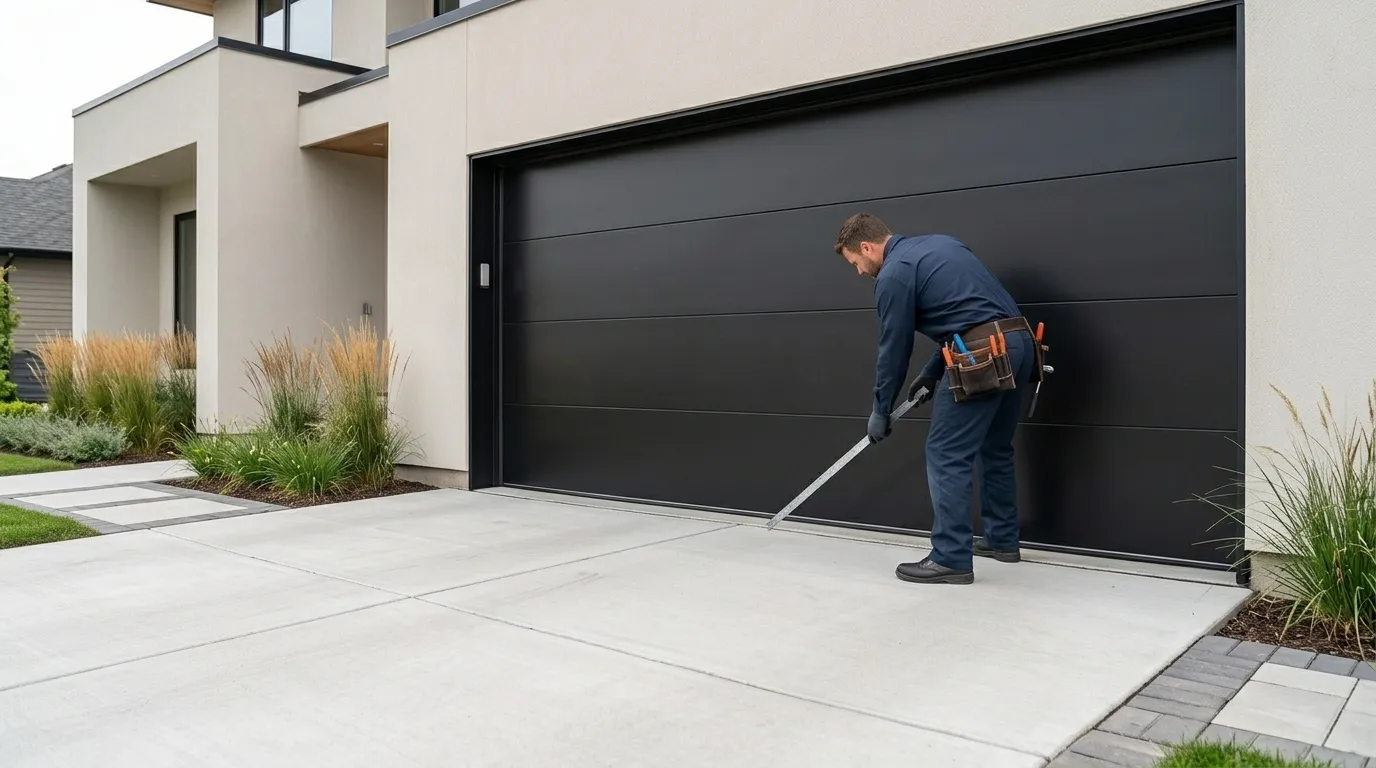
Garage Door Services in Livingston
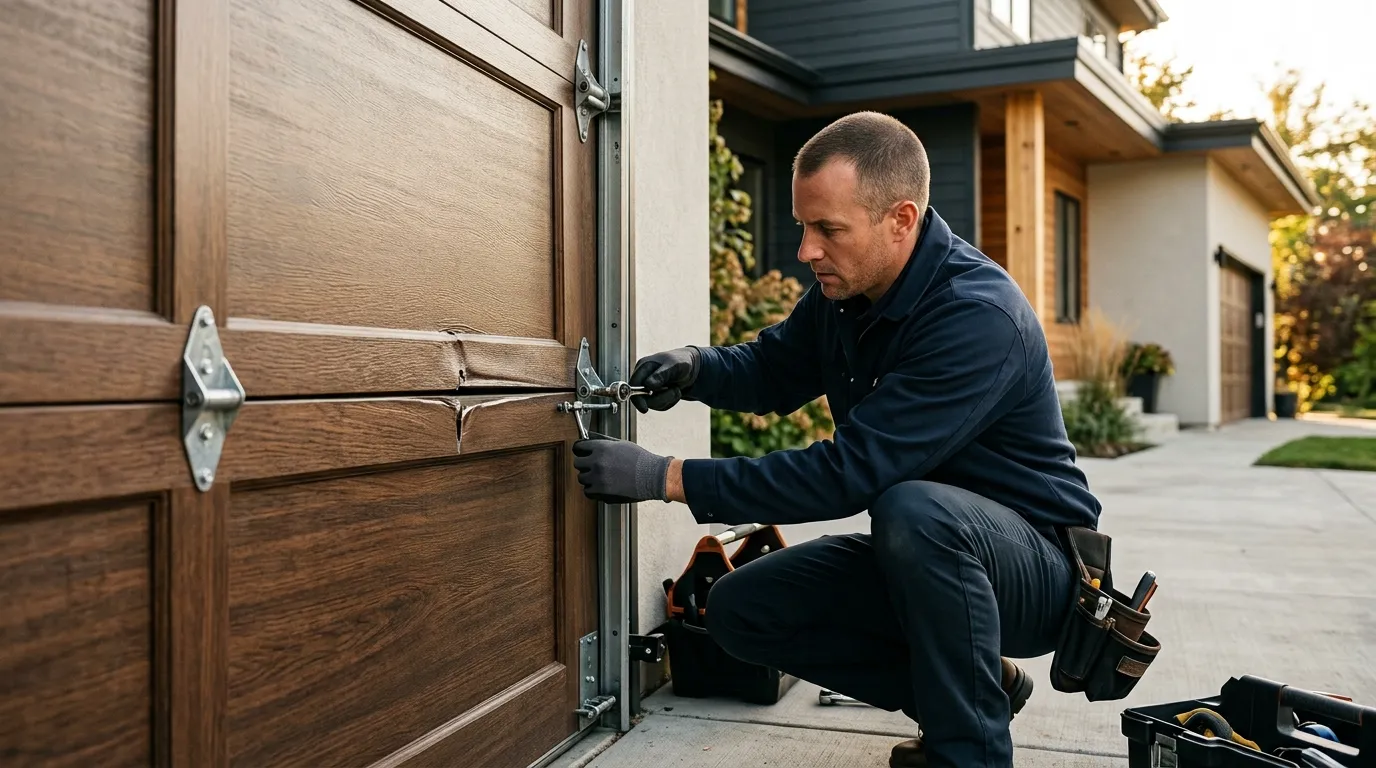
Garage Door Repair
Springs, cables, tracks, rollers, and openers fixed by a tech who explains the problem before touching anything.
Learn more →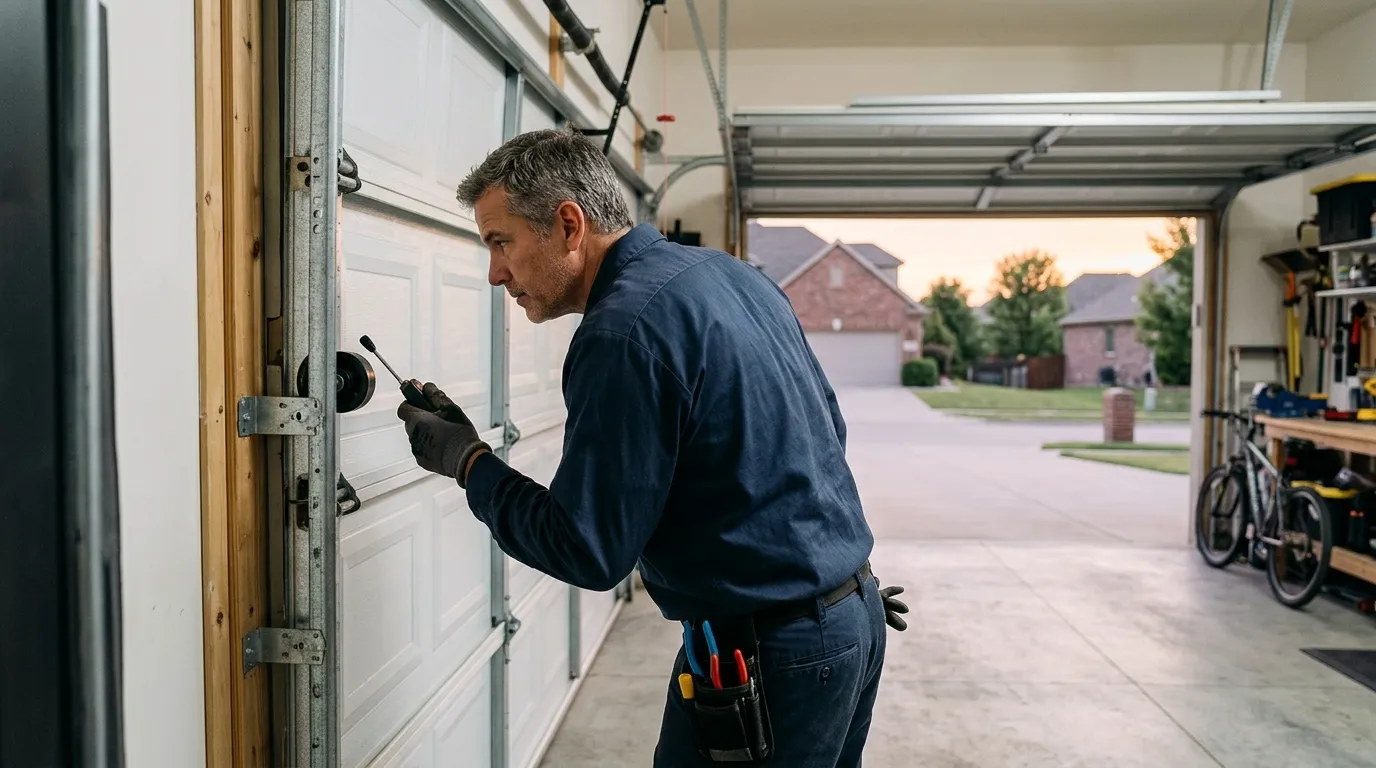
Garage Door Service
Tune-ups, lubrication, and safety checks that catch a small problem before it becomes a service call.
Learn more →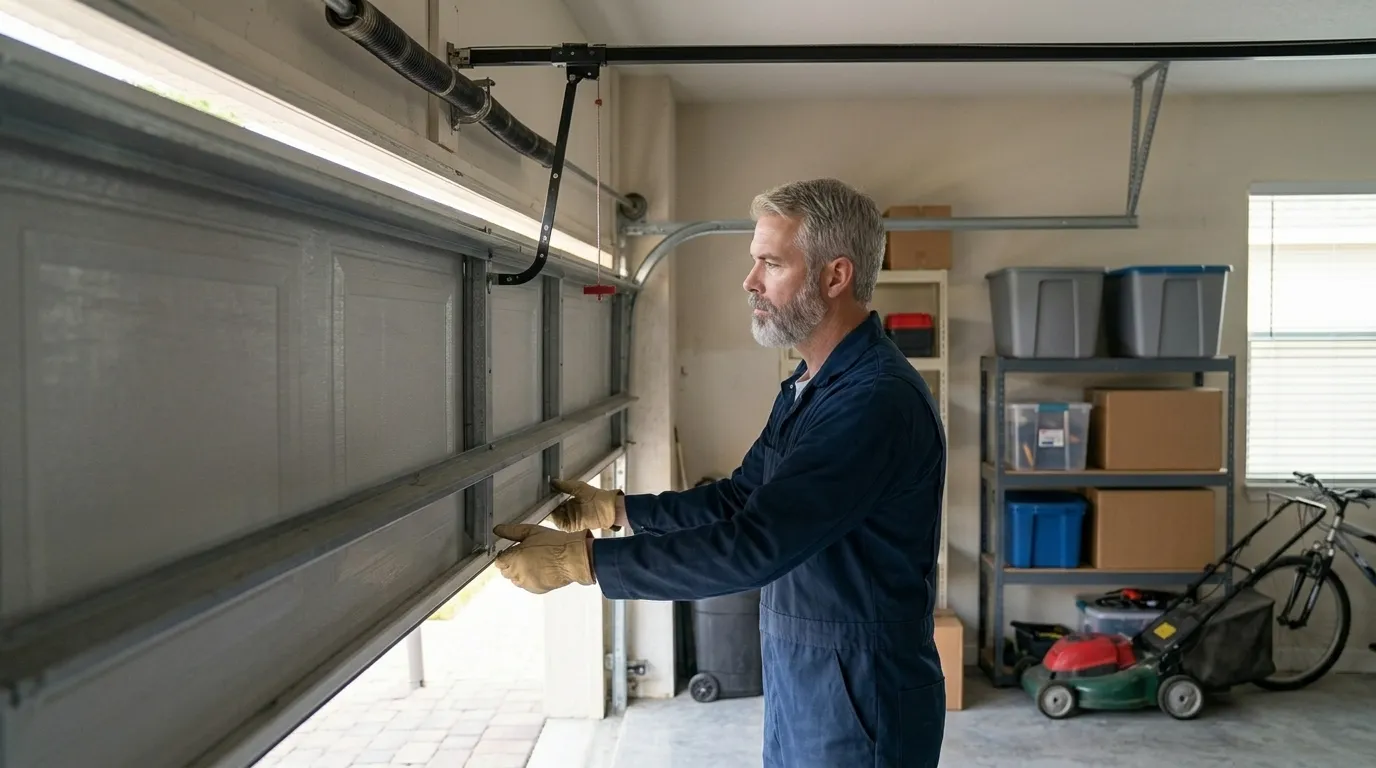
Garage Door Off Track
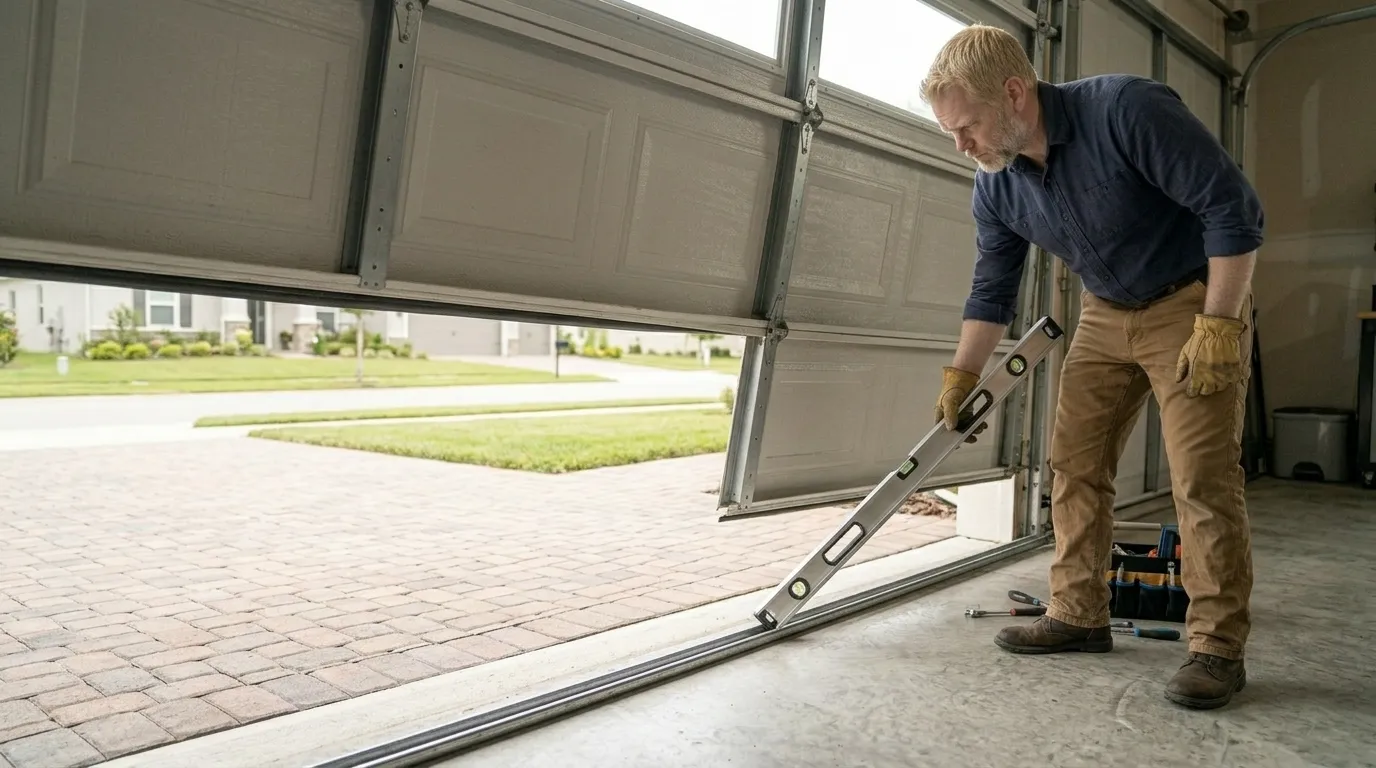
Doors that jumped the track reset safely, with rollers and alignment checked so it holds.
Learn more →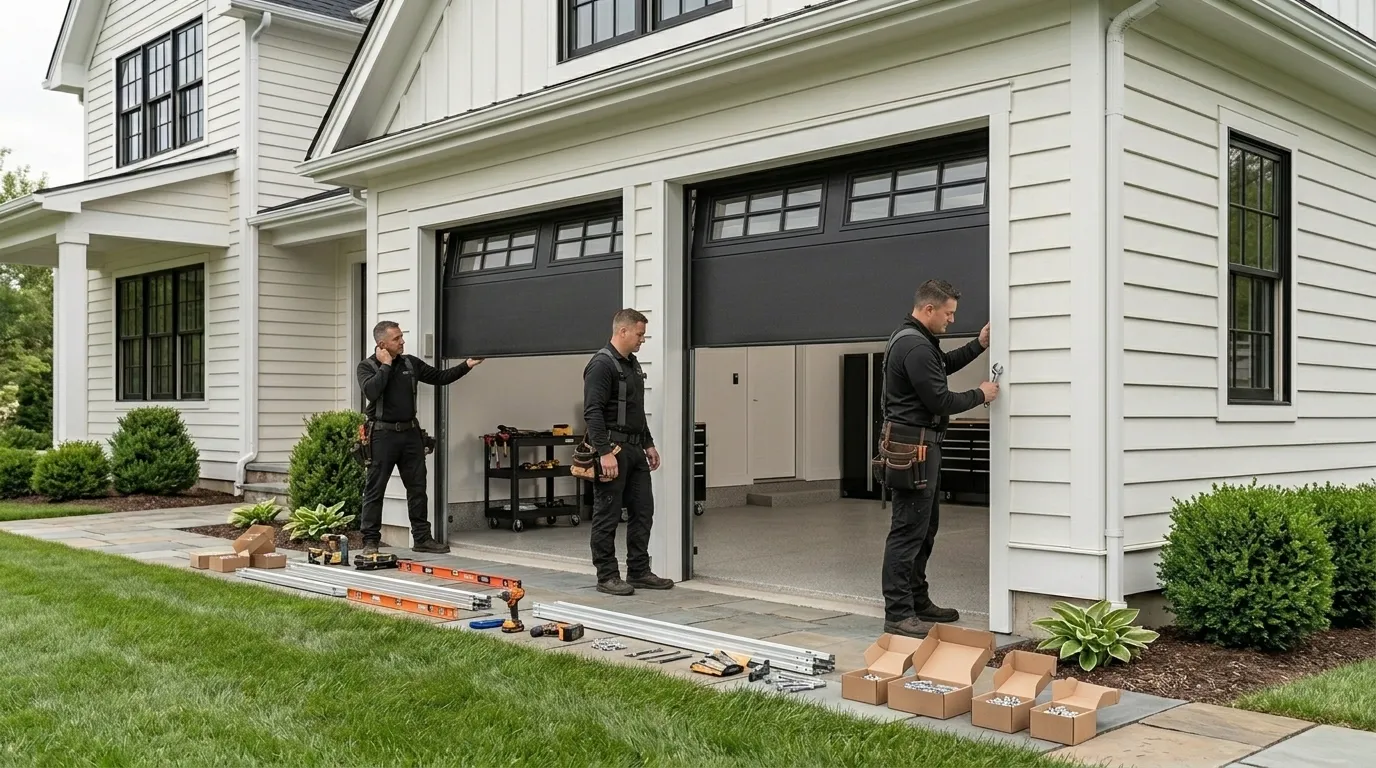
Garage Door Panel Replacement
Dented or cracked panels swapped without replacing the whole door where the frame is sound.
Learn more →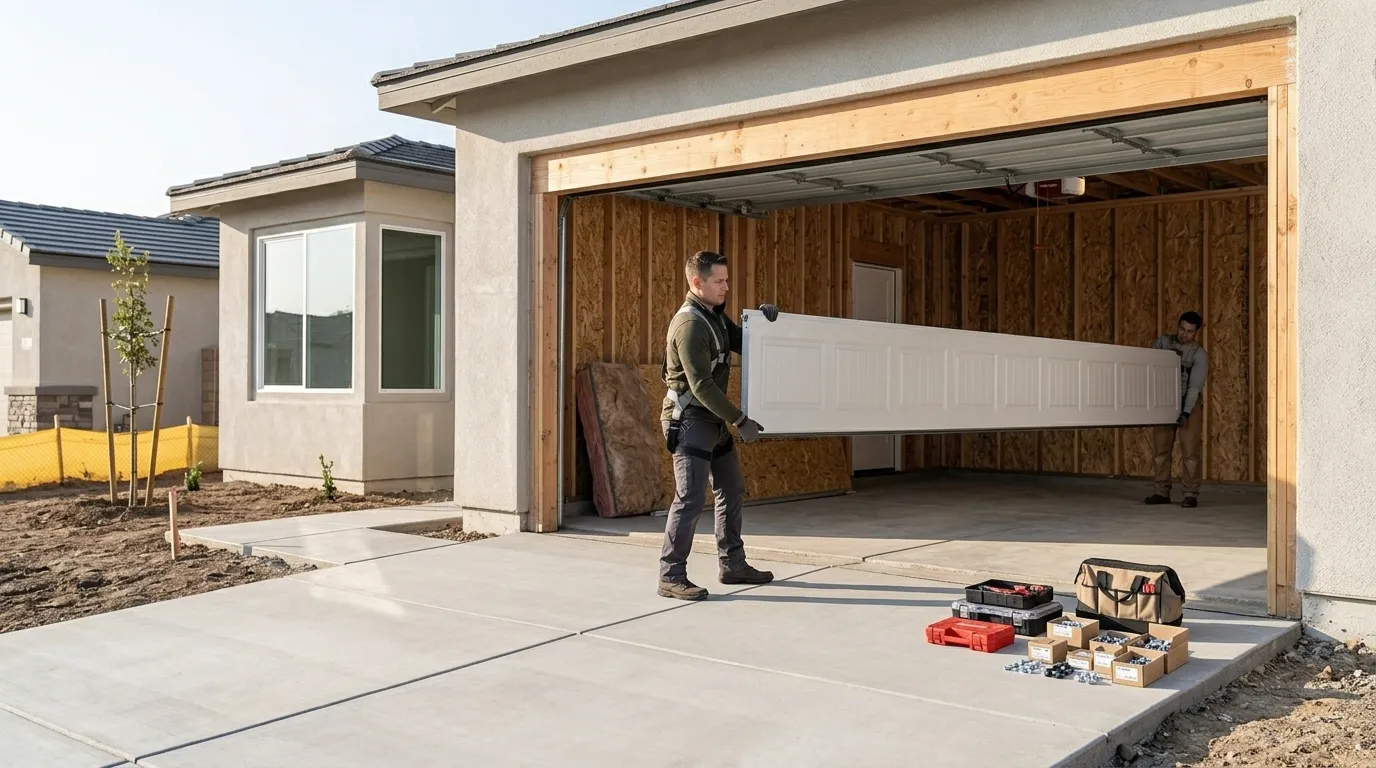
Garage Door Opener Repair
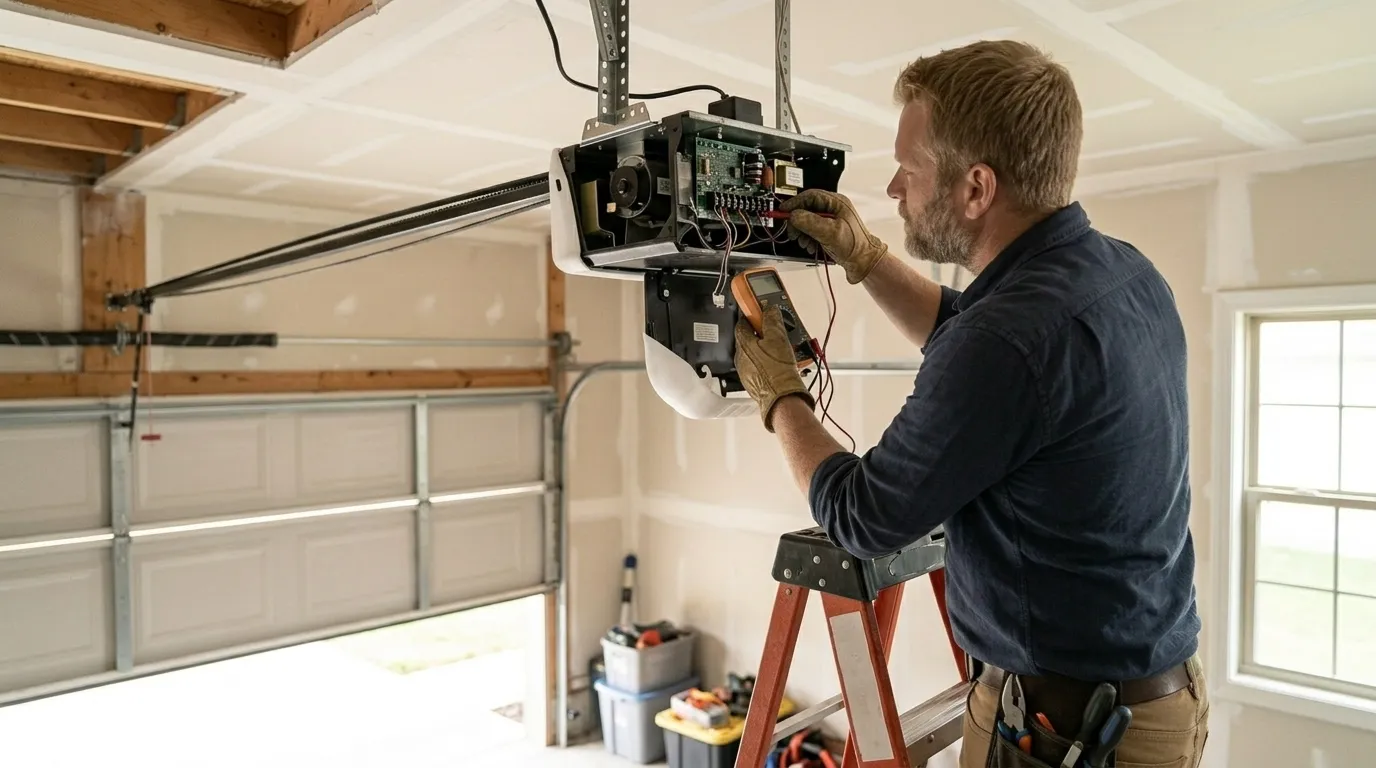
Openers that hum, stall, or reverse - diagnosed and fixed, from worn gears to logic boards.
Learn more →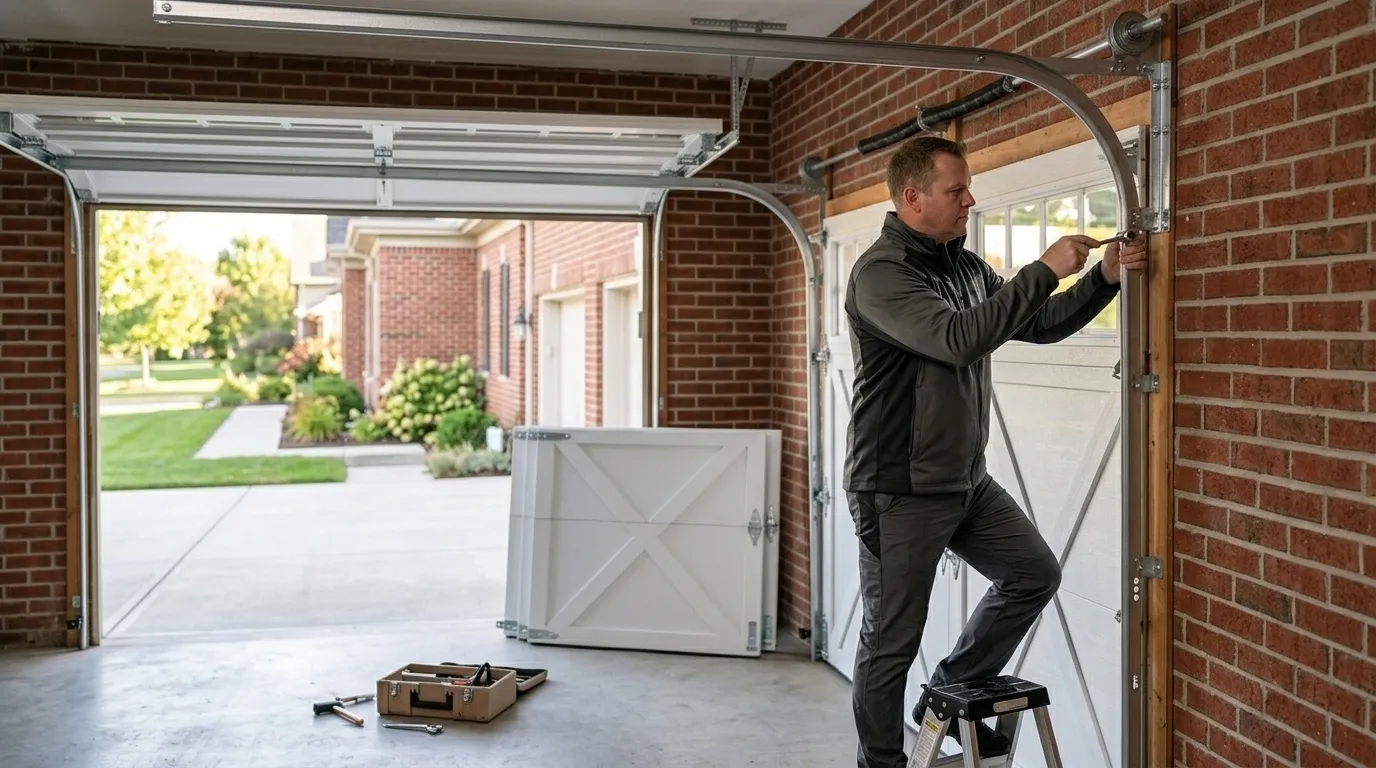
Garage Door Spring Repair
Broken torsion and extension springs replaced and the door rebalanced in the same visit.
Learn more →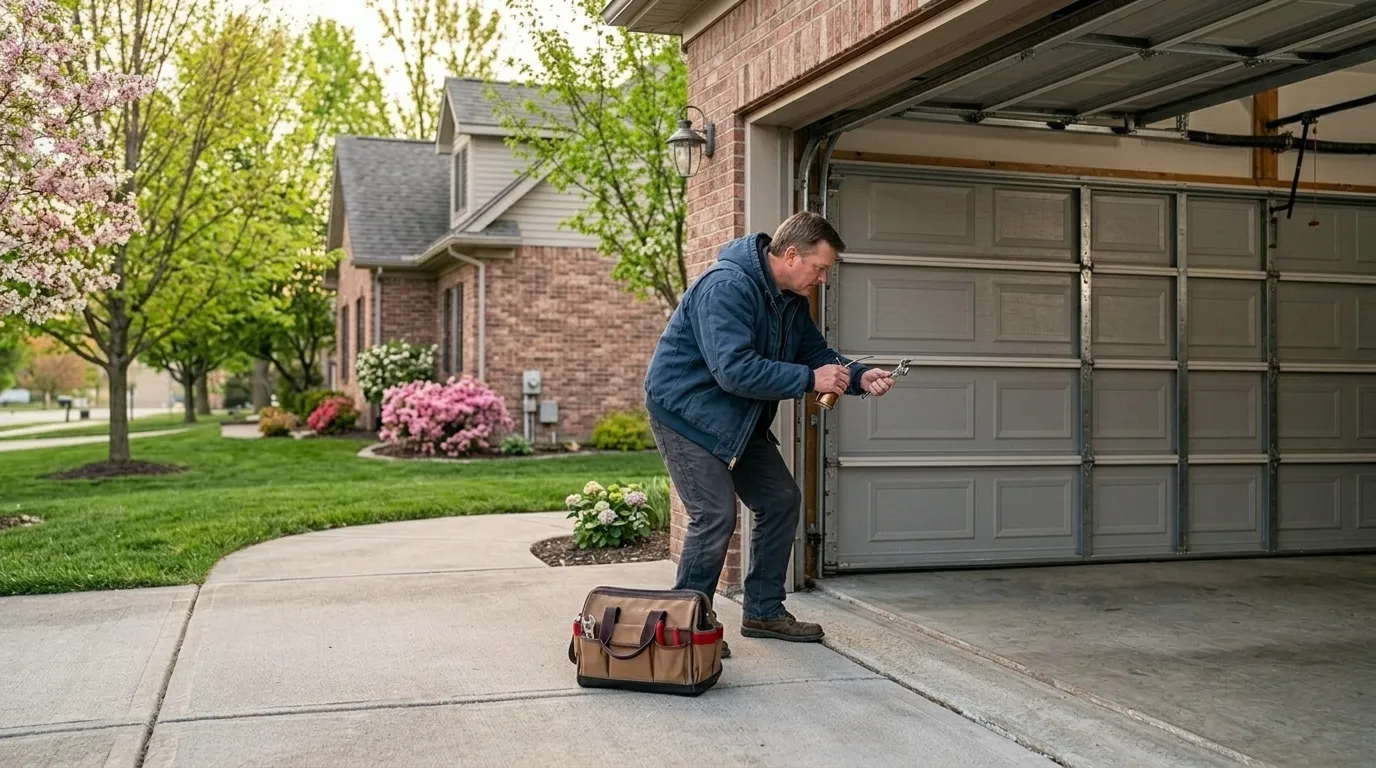
Garage Door Opener Installation
New openers sized to your door and set up with the safety sensors dialed in.
Learn more →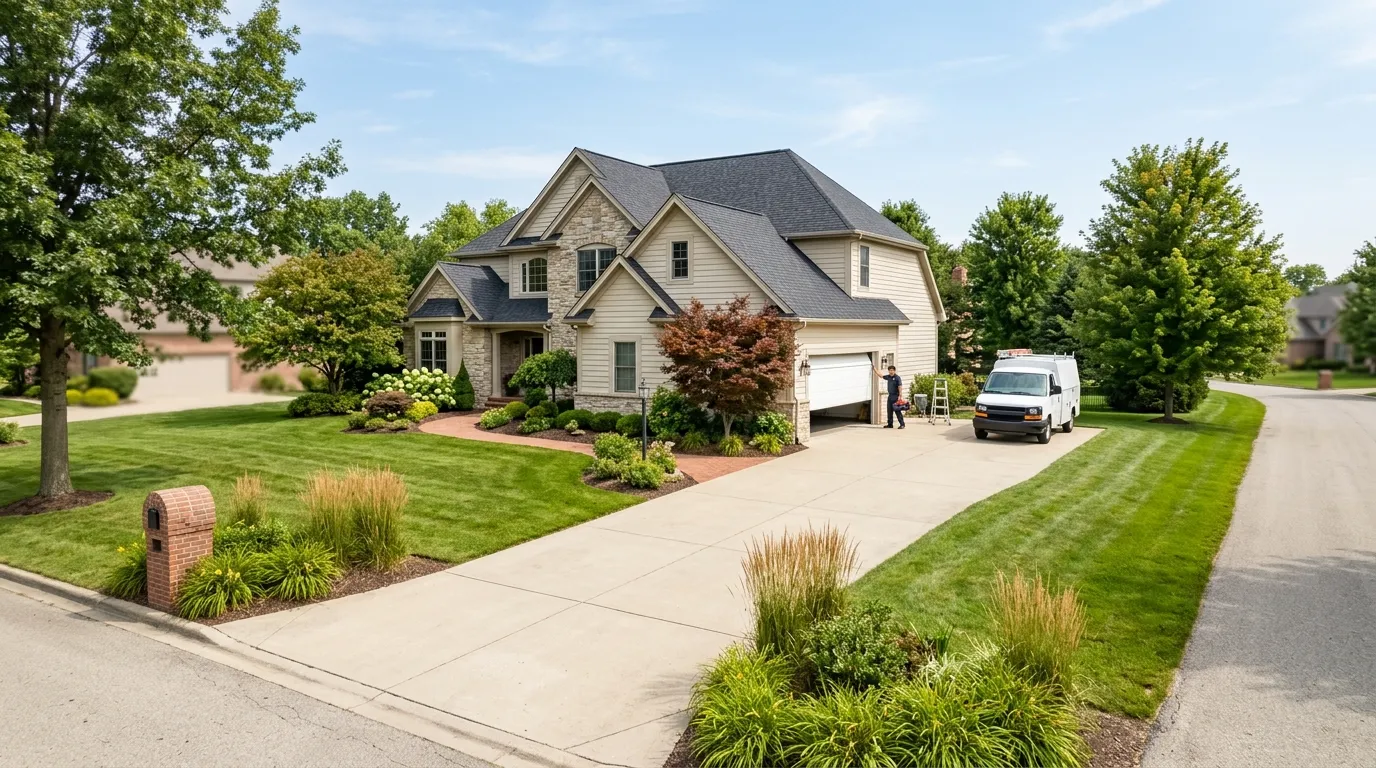
Garage Door Installation
New sectional doors sized and installed for the housing stock actually built in this area.
Learn more →What We Do Most in This Area
Livingston's housing stock centers on 1961, just a year off the wider area's 1960 median, which puts almost every garage here at the same age: early-1960s single or double bays framed for the hardware of that decade. That means steel doors without a thermal break, torsion springs sized for lighter wood-panel doors, and track hung on brackets that were never meant to carry the heavier insulated panels many owners have since installed.
Most of our calls out here aren't about a brand-new opener glitch. They're about hardware that was right for the house in 1961 and has been quietly mismatched to it ever since - a heavier door on an old spring, a new opener bolted to an old header.
We also see straightforward wear: rollers that have gone through 60-odd winters of expansion and contraction, cables starting to fray at the drum, and the occasional door that was replaced once already in the 90s and is now due again. None of this is exotic work. It's what a town built in a five-year window all needs at roughly the same time, which is part of why we keep seeing the same three or four jobs on this side of our route.
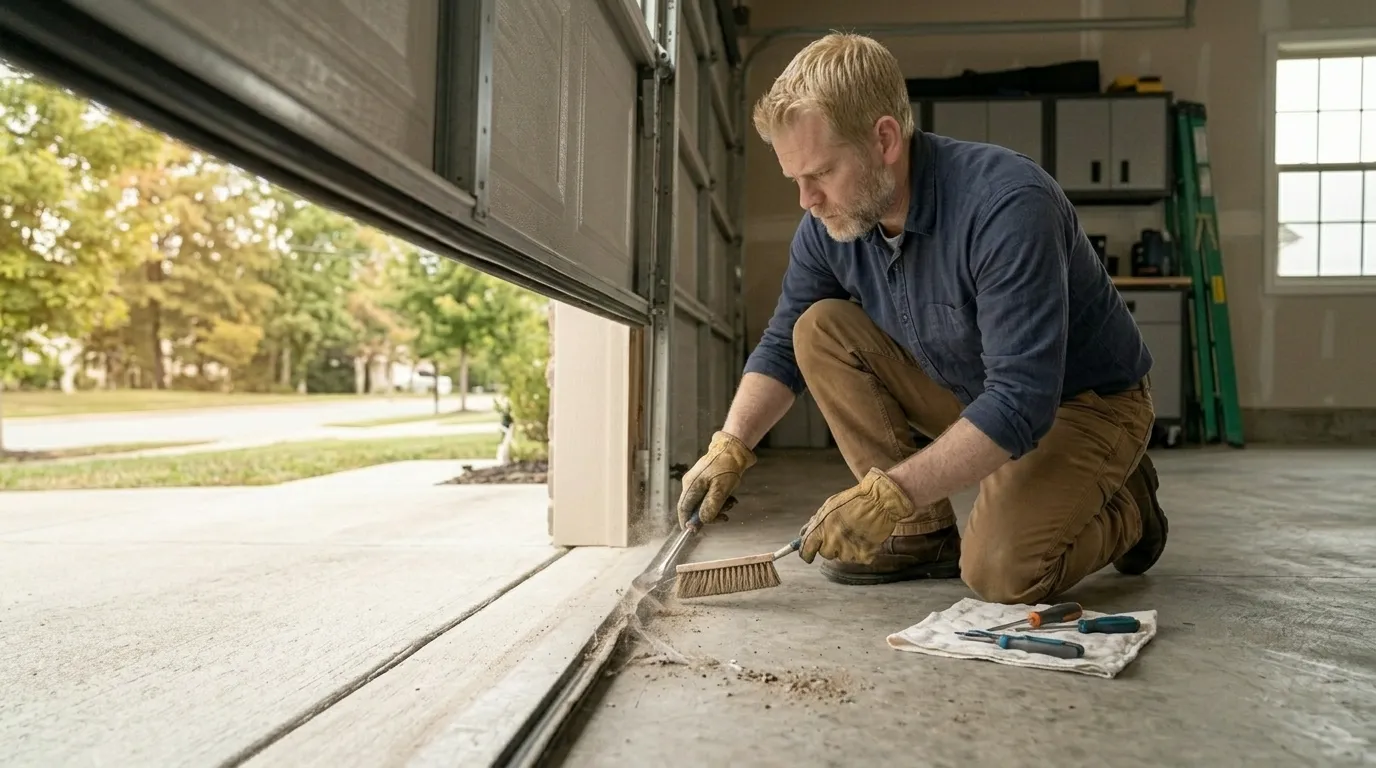
The Calls We Get From Here
The most common call from Livingston is a broken torsion spring on a door that's been fine for years and then isn't - usually on a single door, sometimes a double where one spring failed and the second one is close behind it. Second most common: an opener that runs but won't lift, which on a house this age is almost always the spring again, not the motor.
We also get calls about doors that have started to sag at the bottom panel, which on original 1961-era wood or thin steel doors is a structural issue, not a cosmetic one. And we get openers that are simply original to the house and finally giving out after decades - those calls tend to come with a homeowner who already knows it's time to replace, not repair.
One honest note: if the door itself is original from that era, we may tell you replacement is the better call rather than patching hardware that's obsolete. We don't stock every panel style for a door that old, and ordering one can take longer than a same-day repair would.
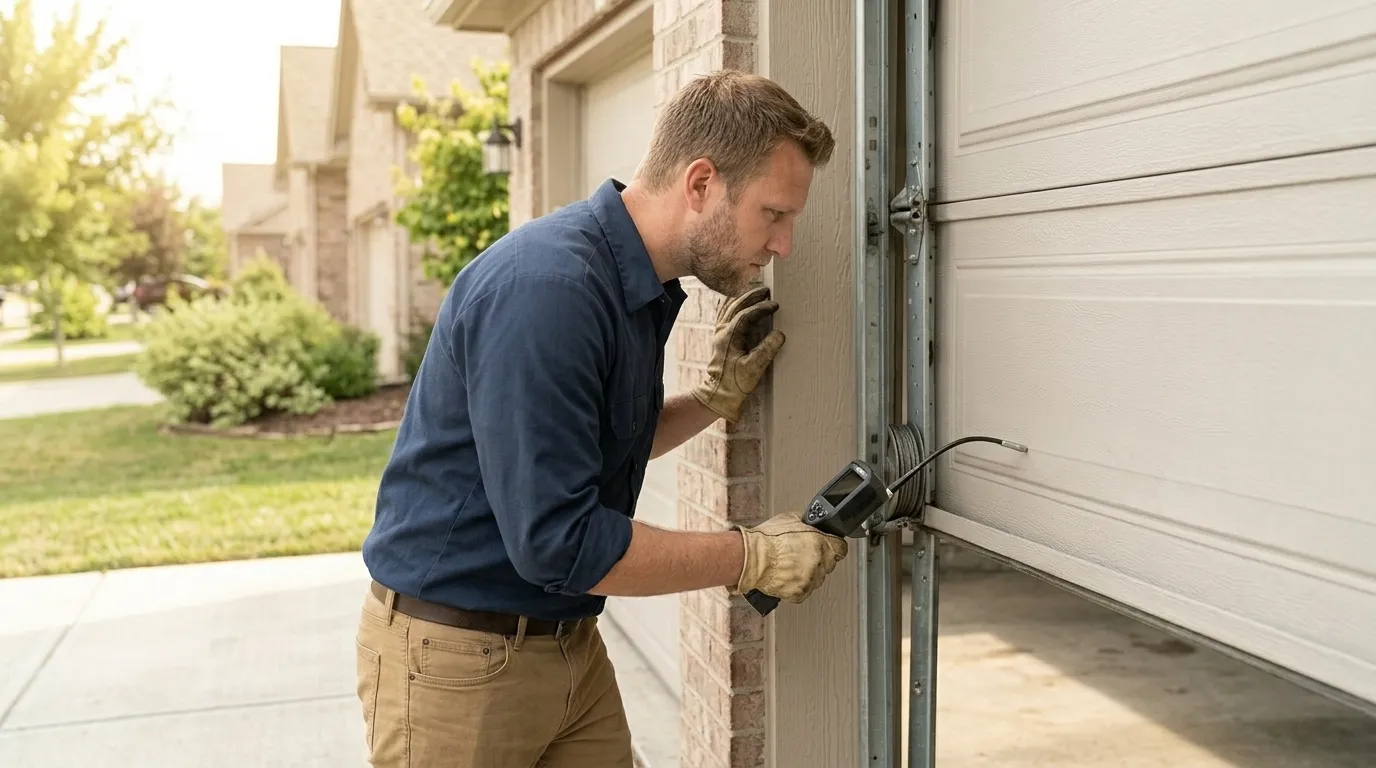
How That Shows Up in the Door
On a 1961 build, the giveaway is usually the spring size. These doors were engineered for lighter panels, so when an owner upgrades to an insulated steel door decades later without upgrading the spring to match, the door either won't stay up on its own or slams down fast when the spring gives out. That's the single most common failure pattern we see on this side of town.
The second pattern is at the rollers and track. Original track brackets from that era were fastened for the weight and vibration profile of a 1960s door, and after enough seasons of a heavier door running through them, they loosen. You'll notice it as a door that shudders or drifts off-center partway through its cycle rather than tracking straight.
Winters in this part of New Jersey sit in a cold-climate band severe enough that garages built before insulation codes tightened up rarely meet the thermal spec a newer build hits automatically. On an older Livingston door that shows up as a bottom seal that cracks and lets cold air in by mid-winter, not as anything dramatic - just a slow leak that gets worse every year until someone replaces the seal or the whole door.
The Houses Here
Livingston has about 10,425 households, and a median income of $218,416 - well above the wider service area's median of $126,221. In practice that means when we're out here, more owners choose to replace an aging door outright rather than keep repairing it, and they tend to go with heavier insulated doors than the originals the houses were built with.
That upgrade pattern is exactly what stresses the original hardware we described above: a heavier new door on an old spring or old track brackets is the single most common mismatch we find in this town. It's not a sign anything was done wrong - it's just what happens when a nicer door goes onto a 60-year-old opening.
We run out to Livingston from our shop in Wyckoff, about 18 miles away. We don't keep a truck stationed in town, so we're not the outfit to call for a same-day emergency in the middle of the night - we schedule the route and get there, but we're honest that it's a drive, not a five-minute response.
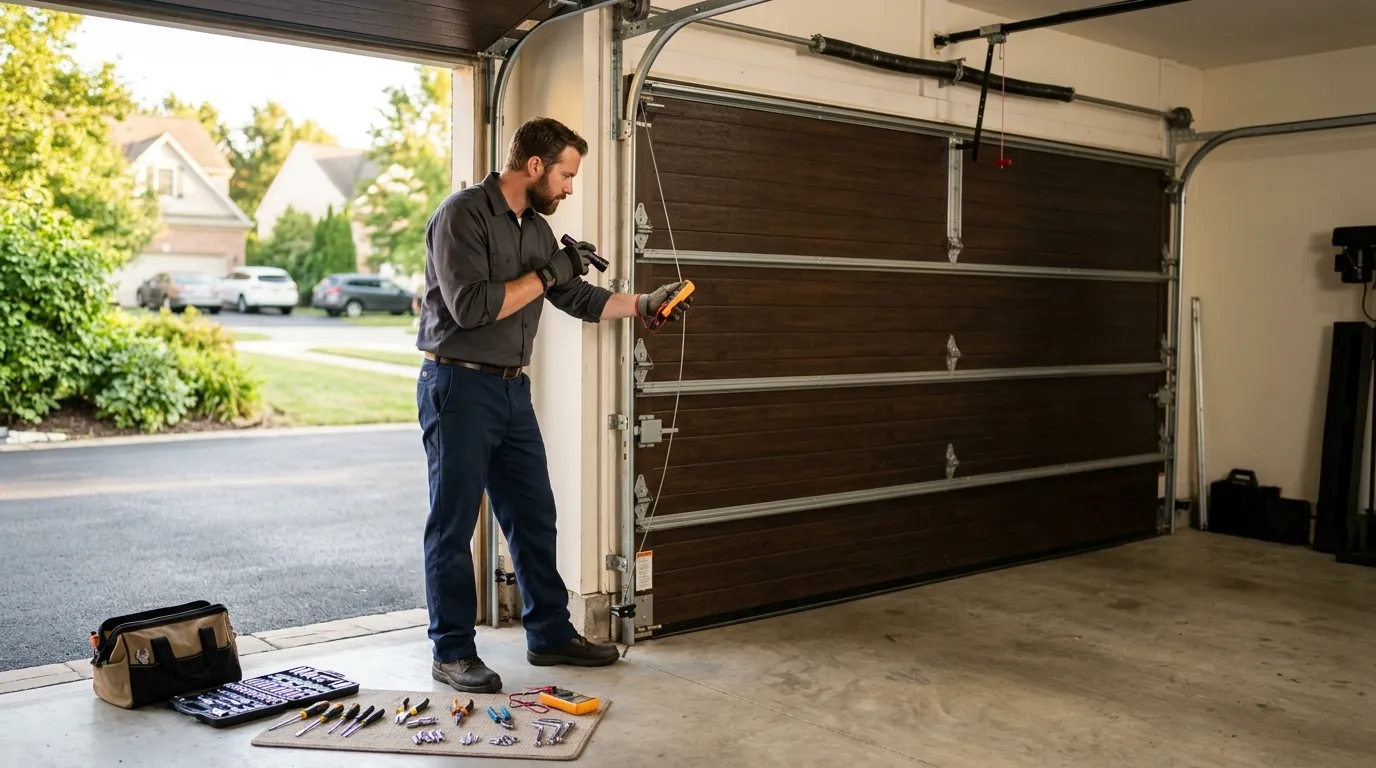
What Happens When You Call
-
1
Call or Request a Quote
Tell us what the door is doing and roughly how old the house is - that alone points us toward the likely part before a truck leaves.
-
2
On-Site Diagnosis
A tech checks the spring, cables, tracks, and opener in person and tells you plainly what is actually wrong.
-
3
Straight Price, No Surprises
You get a number before any work starts. It covers parts and labor, nothing added after the fact.
-
4
Fixed the Same Visit
Most repairs are done in one trip. If a part needs sourcing, we tell you that upfront instead of guessing.
Recent Work Near Livingston
Frequently Asked Questions
Why did my garage door spring break with no warning?
On a Livingston house built around 1961, the spring was likely sized for the original lighter door, not whatever heavier insulated door might be on the opening now. Springs don't usually fail gradually - they run fine for years under the wrong load and then let go all at once. It's mechanical fatigue, not a sign you did anything wrong.
Is it worth repairing an original 1960s garage door instead of replacing it?
Sometimes, but not always. If the panels are wood or thin steel from that era, we may not be able to source matching parts quickly, and repair costs can approach replacement cost. If the door is structurally sound and it's just hardware - springs, rollers, cables - repair usually makes sense.
Do you have a shop or truck based in Livingston?
No. We're based in Wyckoff, about 18 miles out, and we drive the route to Livingston for scheduled jobs. We're not set up to be a same-day emergency call in the middle of the night from here - if that's what you need, plan for it being a drive, not a five-minute response.
Why does my newer garage door feel heavier or track worse than the old one?
If you upgraded from an original 1960s-era door to a newer insulated steel door without upgrading the spring and track brackets, the old hardware is now carrying more weight than it was built for. That mismatch is the single most common issue we find on this side of town.
Get Your Door Fixed in Livingston
Call now for same-area service.