
Nearby Community
Garage Door Service for Dumont Homes
Dumont's housing dates to 1952 on average, older than the wider Wyckoff service area. We travel from Wyckoff to fix the torsion springs and openers that era's doors actually need.
- Licensed & Insured
- Same-Area Service Calls
- Upfront Pricing
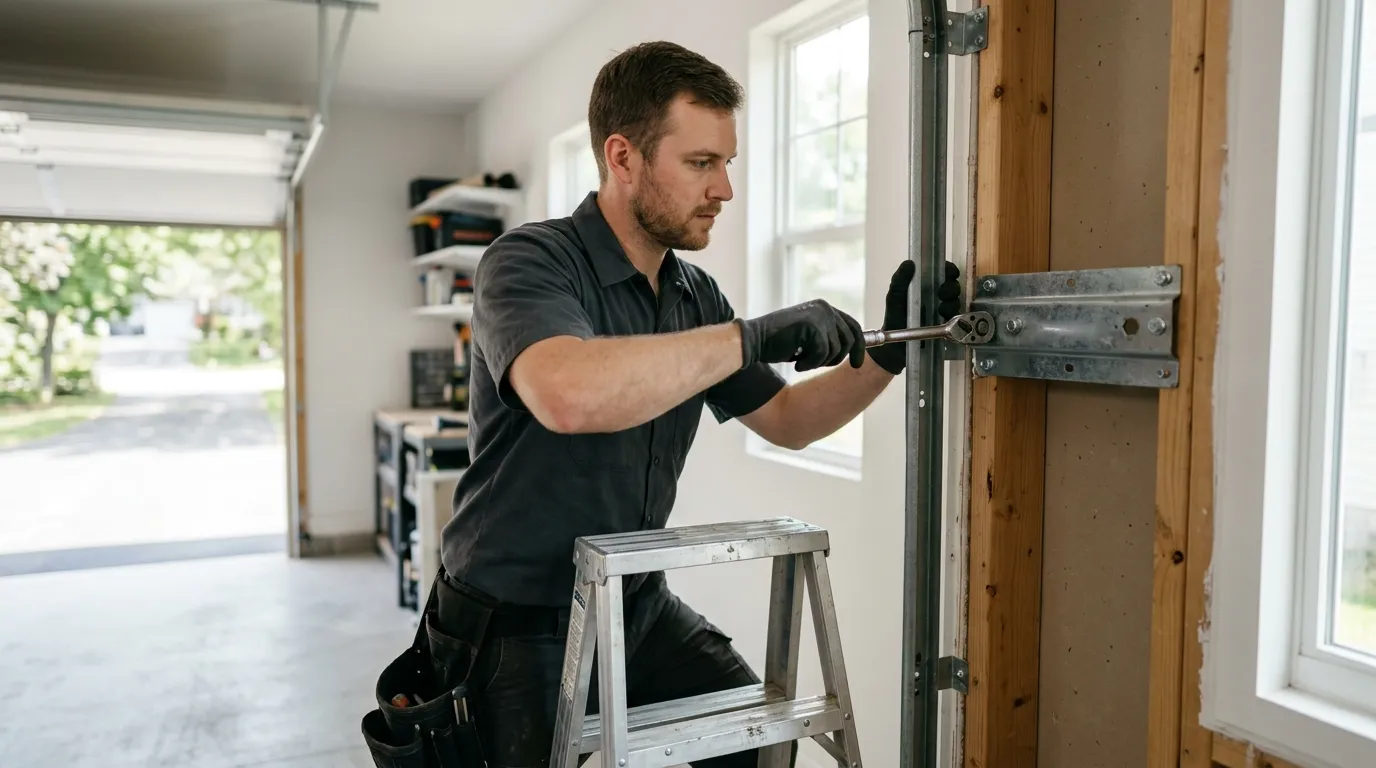
Garage Door Services in Dumont
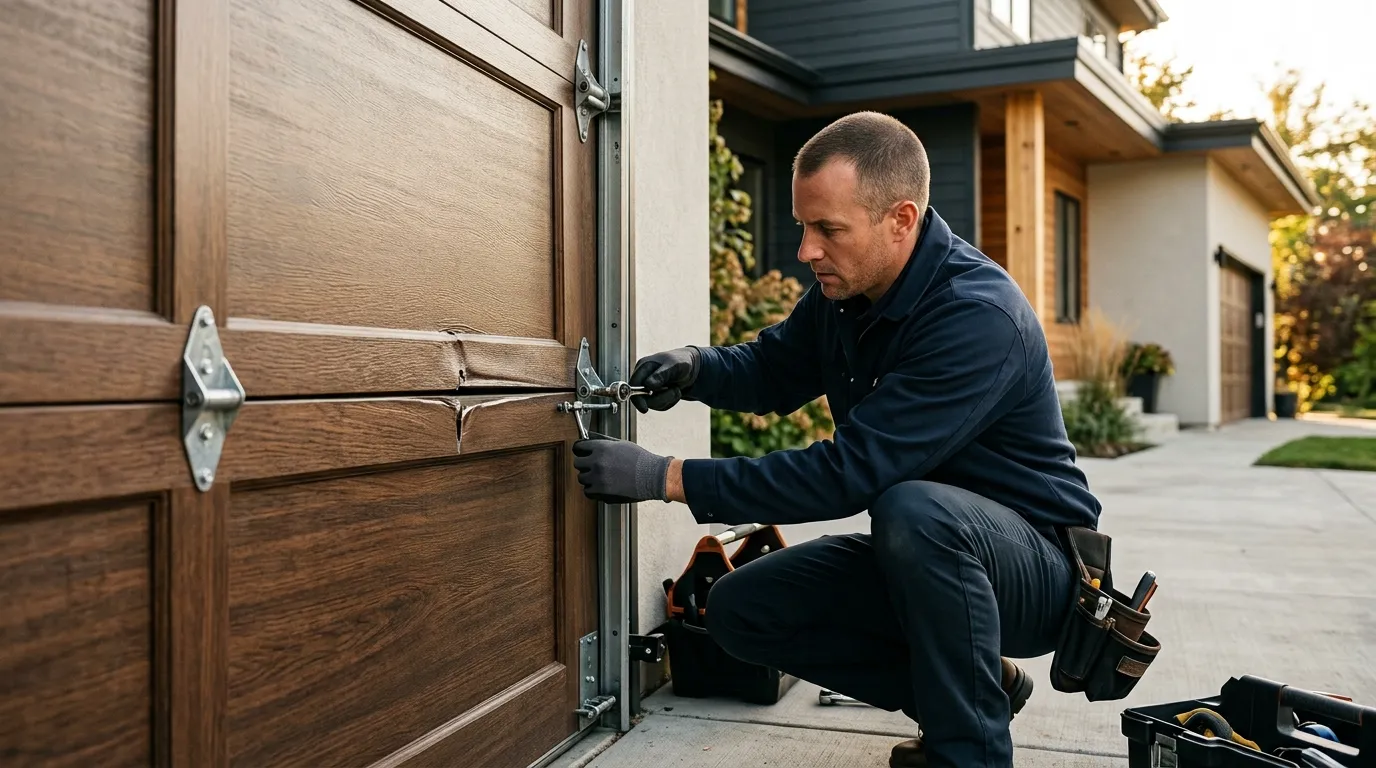
Garage Door Opener Installation
New openers sized to your door and set up with the safety sensors dialed in.
Learn more →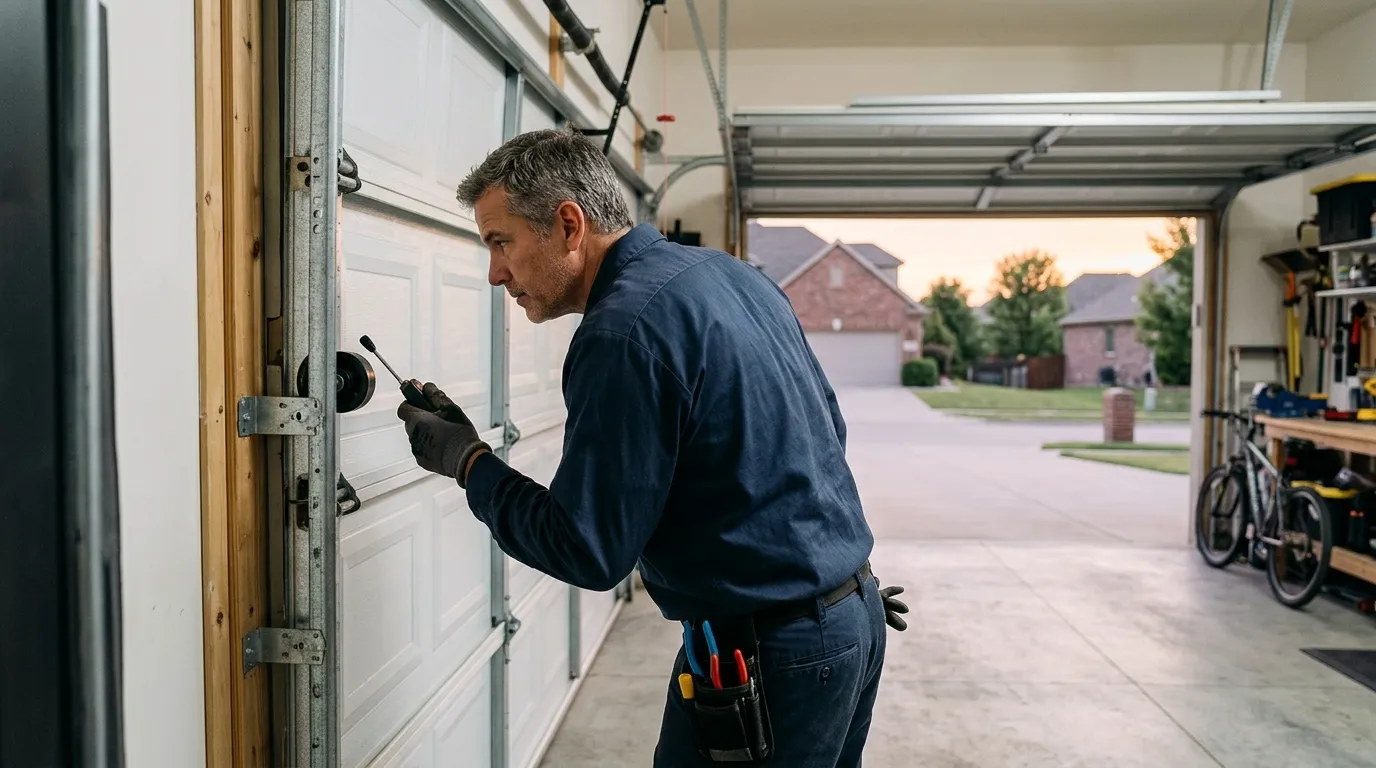
Garage Door Repair
Springs, cables, tracks, rollers, and openers fixed by a tech who explains the problem before touching anything.
Learn more →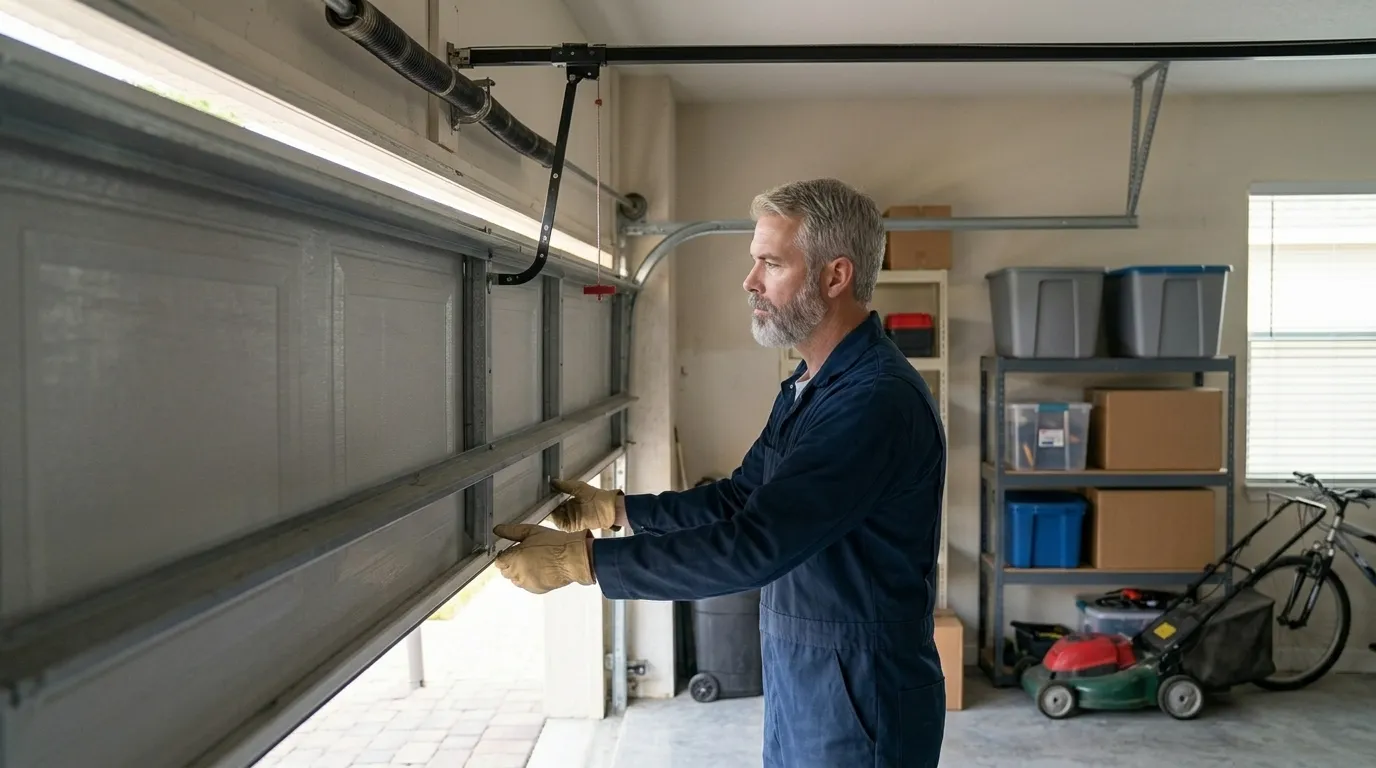
Garage Door Installation
New sectional doors sized and installed for the housing stock actually built in this area.
Learn more →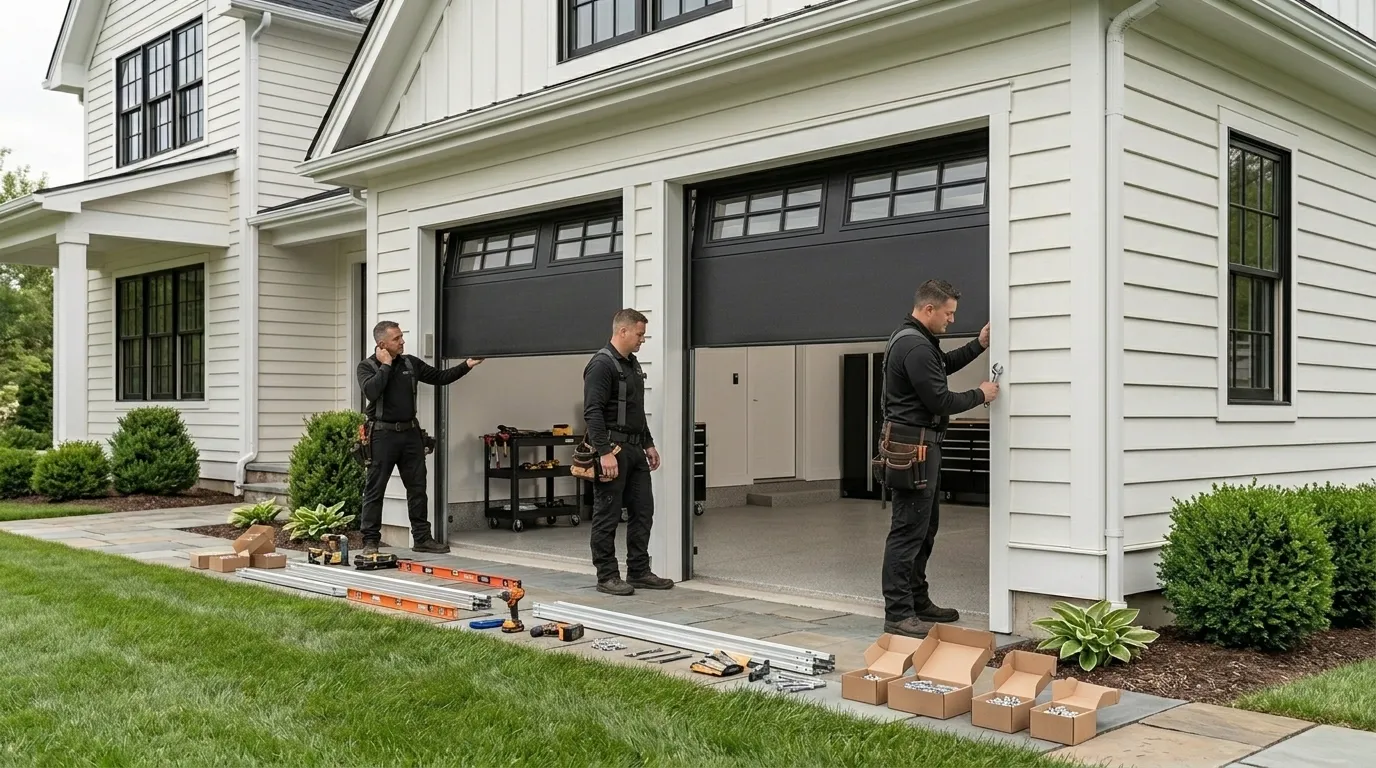
Garage Door Off Track
Doors that jumped the track reset safely, with rollers and alignment checked so it holds.
Learn more →What We Do Most in This Area
Dumont's houses run older than most of what we see across the rest of the territory. The typical home here dates to 1952, while the broader service area median sits closer to 1960. That eight-year gap matters more than it sounds like it should, because it's the difference between a door built with a torsion spring system that's still somewhat standard and one built for hardware nobody stocks on the truck anymore.
On these older Dumont doors, we're mostly replacing extension springs mounted on side rails rather than the torsion bars that came in as the neighborhood standard shifted through the 60s. We also see a fair number of single-panel doors that were never swapped for sectional ones, which changes how a spring failure behaves - the whole panel can drop instead of a section jamming in the track. We travel to Dumont from our shop in Wyckoff, about 10 miles out, and we bring stock sized for both eras because we know before we arrive which one we're more likely to find.
What we don't do here is treat every call the same way we would in a newer part of the territory. A 1952 door earns a different diagnosis than a 1975 one, and we plan the job around that before the truck leaves Wyckoff.
The Calls We Get From Here
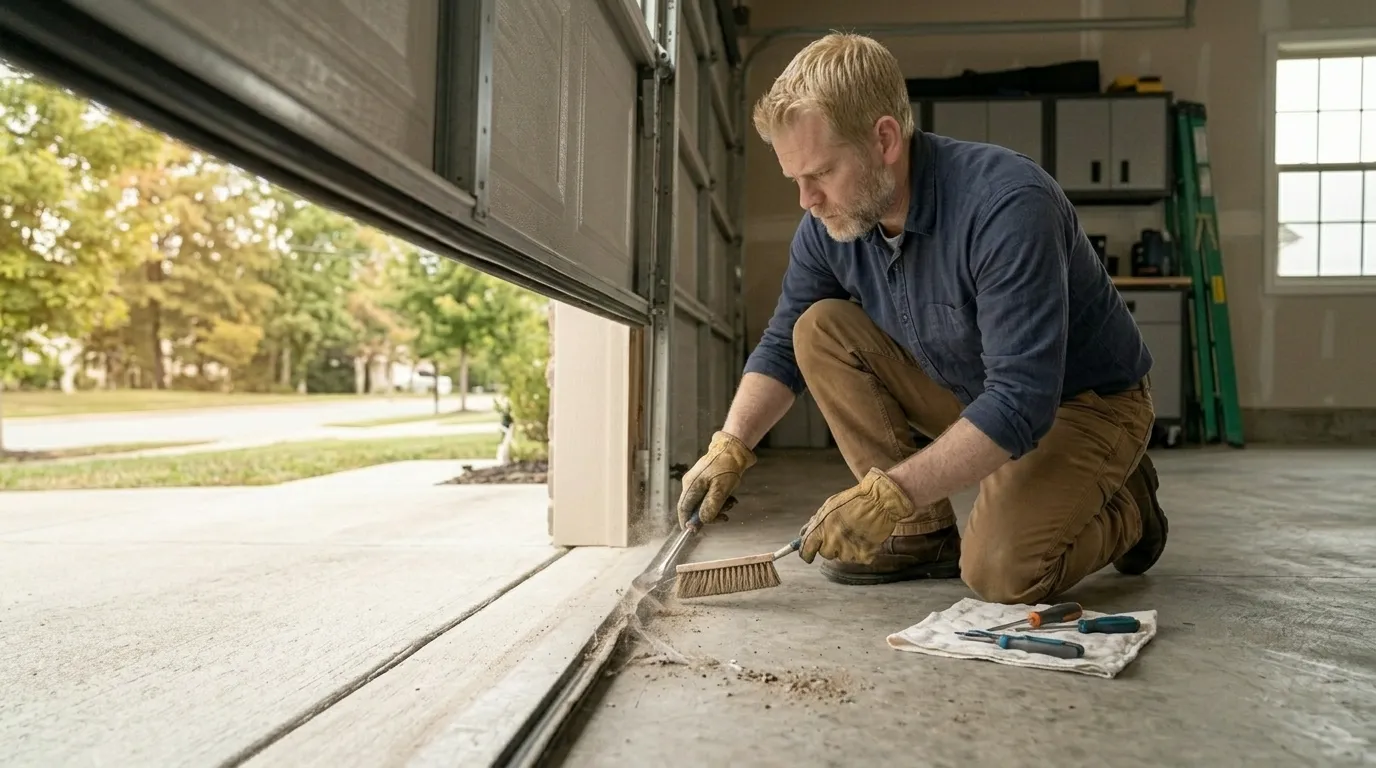
Most calls from Dumont start with a spring that's already gone, not one that's about to. Older extension spring setups tend to fail without much warning compared to torsion systems, which usually give you a sagging door or a slow close first. We also hear from homeowners whose openers have been forced to work with a spring that's already lost tension - the motor strains, the gears wear early, and eventually the opener goes too, sometimes within the same season.
With roughly 6,491 households in Dumont, a good share of them sitting on homes from this same early-1950s wave, we see the same handful of failure patterns repeat: worn rollers on steel tracks that were never upgraded, cables fraying where they meet older drum hardware, and door bottoms that don't seal the way a newer bottom seal profile would. None of this is exotic. It's what happens to garage doors that have been doing their job since Eisenhower was in office, on hardware nobody's replaced since.
How That Shows Up in the Door
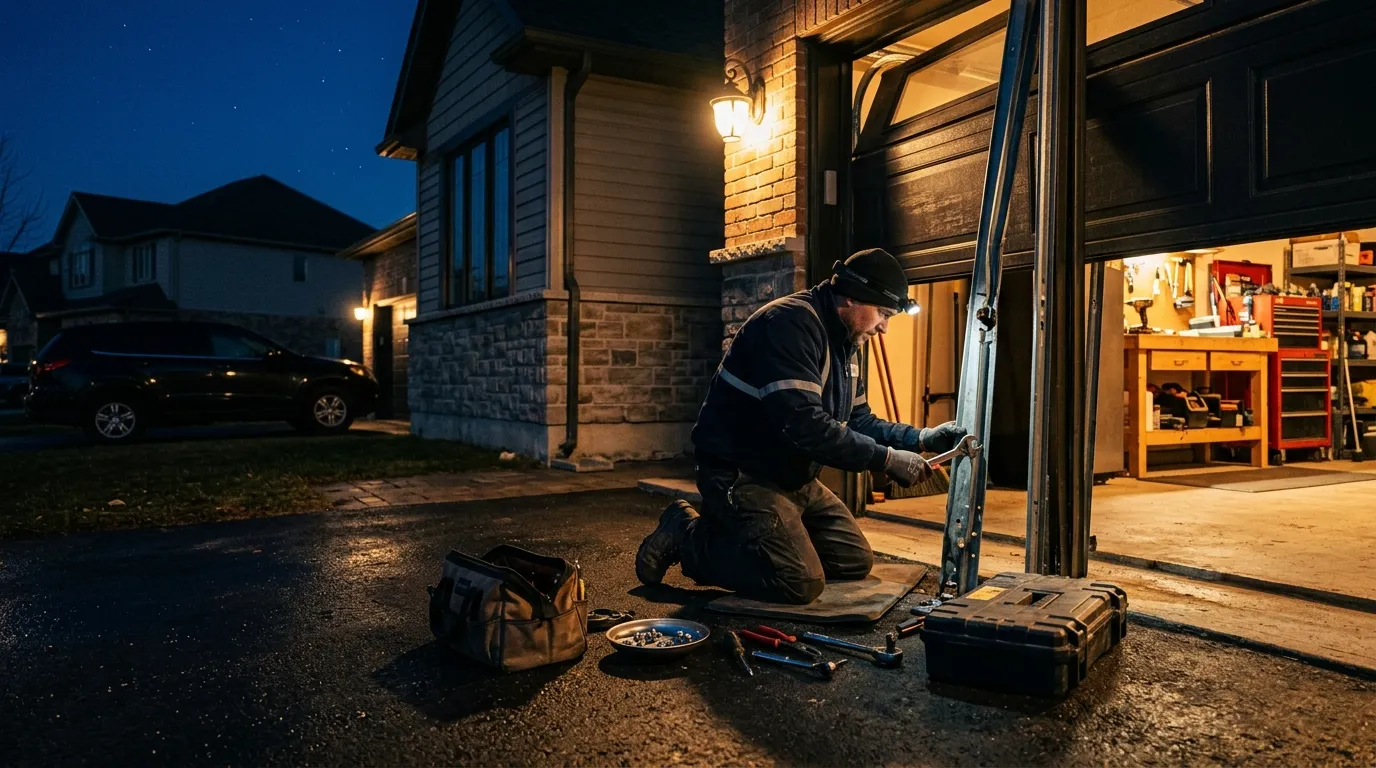
On a 1952-era door, a spring failure usually means the whole door won't budge, not just that it's heavy to lift. The side-mount extension springs common in this build era don't share load the way a center torsion bar does, so when one goes, you often lose full function rather than partial. We also find that panel seams on these older sectional doors, where they exist, have wider gaps than anything built after insulation standards tightened up, which matters given the cold winters this area gets - draft and moisture get into the track and accelerate rust on rollers and hinges faster than on a newer, tighter door.
Openers installed as retrofits on these older doors sometimes weren't matched to the door's actual weight, since the original setup was manual. That mismatch is one of the more common things we correct on a service call here, and it's not something you'd catch just by looking at the door from the driveway.
The Houses Here
Dumont's median household income runs close to $125,585, which tracks with a lot of the surrounding towns Wyckoff Garage Door Pros covers, but the housing stock sets this area apart. A 1952 median build year puts a good portion of Dumont's garage doors and their original hardware at or past the point where parts availability gets thin.
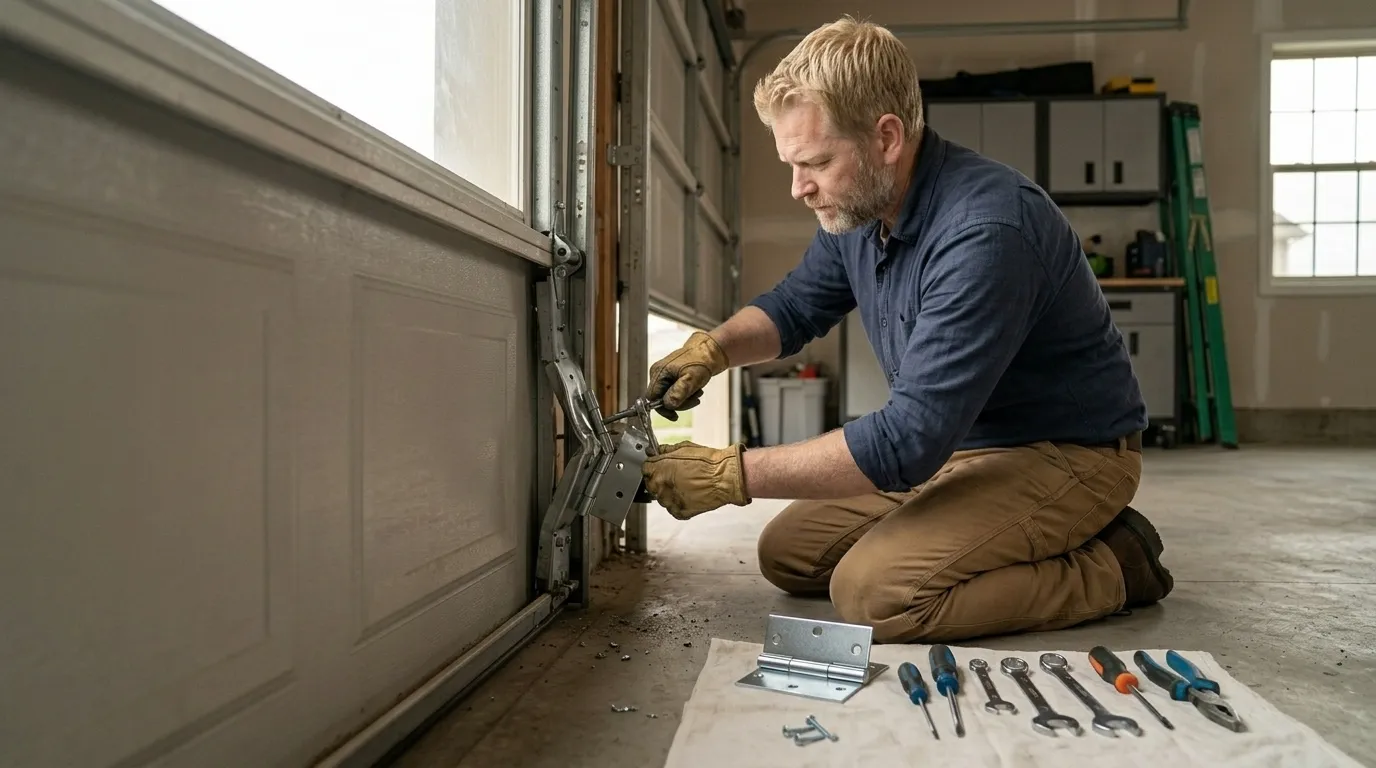
We're honest about that limitation: some original spring drums and rail hardware from this era simply aren't made anymore, and when we hit that wall, replacement of the affected hardware - sometimes the full spring and drum assembly - beats trying to source an exact match. It's not the answer anyone wants on an older door, but it's the one that keeps the door safe and keeps you from paying twice.
What Happens When You Call
-
1
Call or Request a Quote
Tell us what the door is doing and roughly how old the house is - that alone points us toward the likely part before a truck leaves.
-
2
On-Site Diagnosis
A tech checks the spring, cables, tracks, and opener in person and tells you plainly what is actually wrong.
-
3
Straight Price, No Surprises
You get a number before any work starts. It covers parts and labor, nothing added after the fact.
-
4
Fixed the Same Visit
Most repairs are done in one trip. If a part needs sourcing, we tell you that upfront instead of guessing.
Recent Work Near Dumont
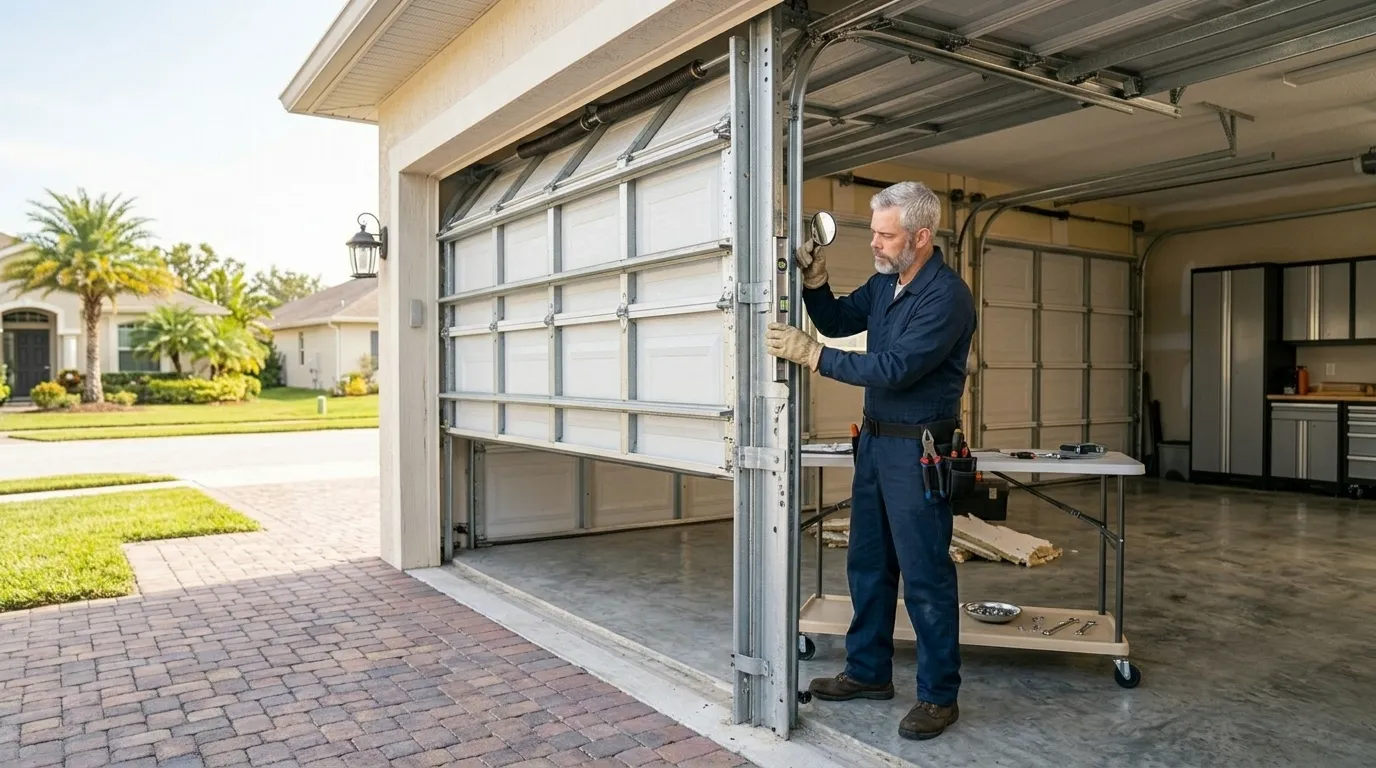
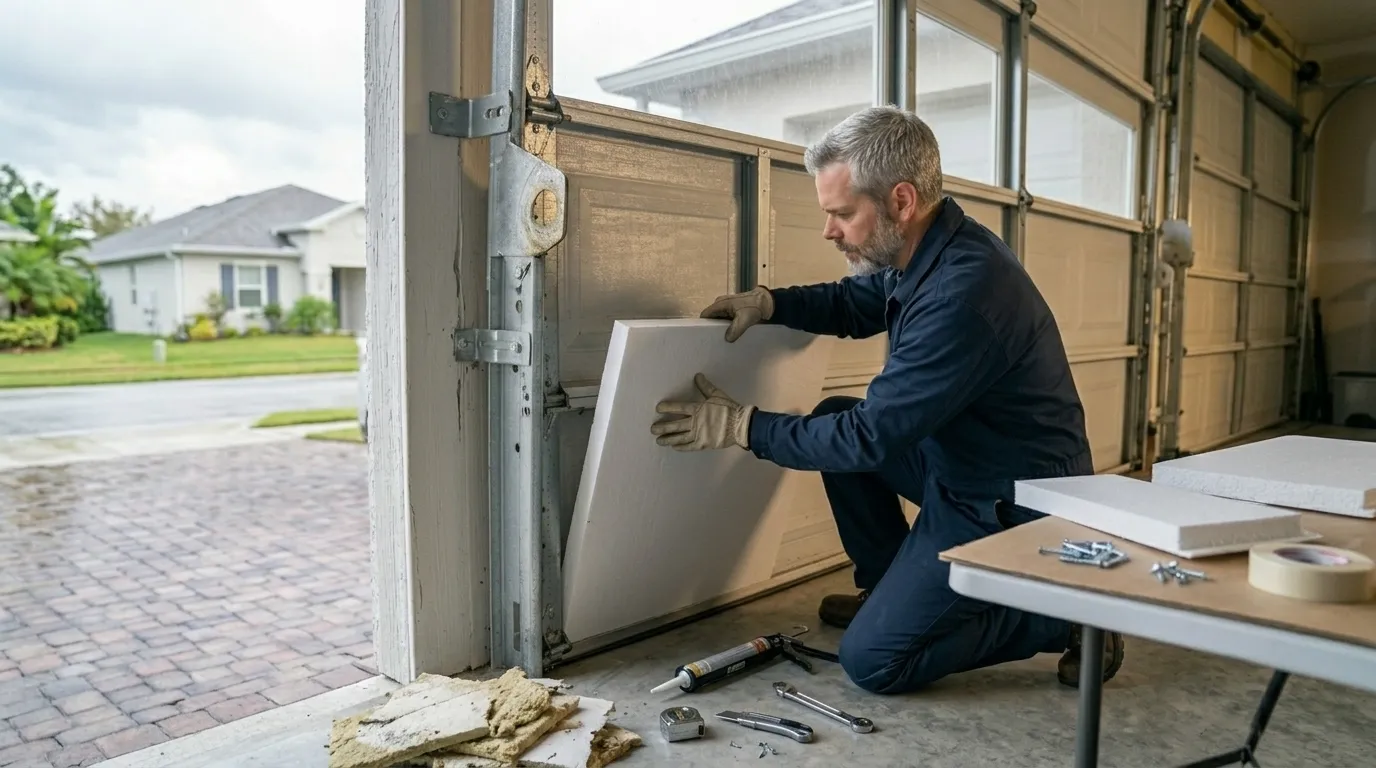
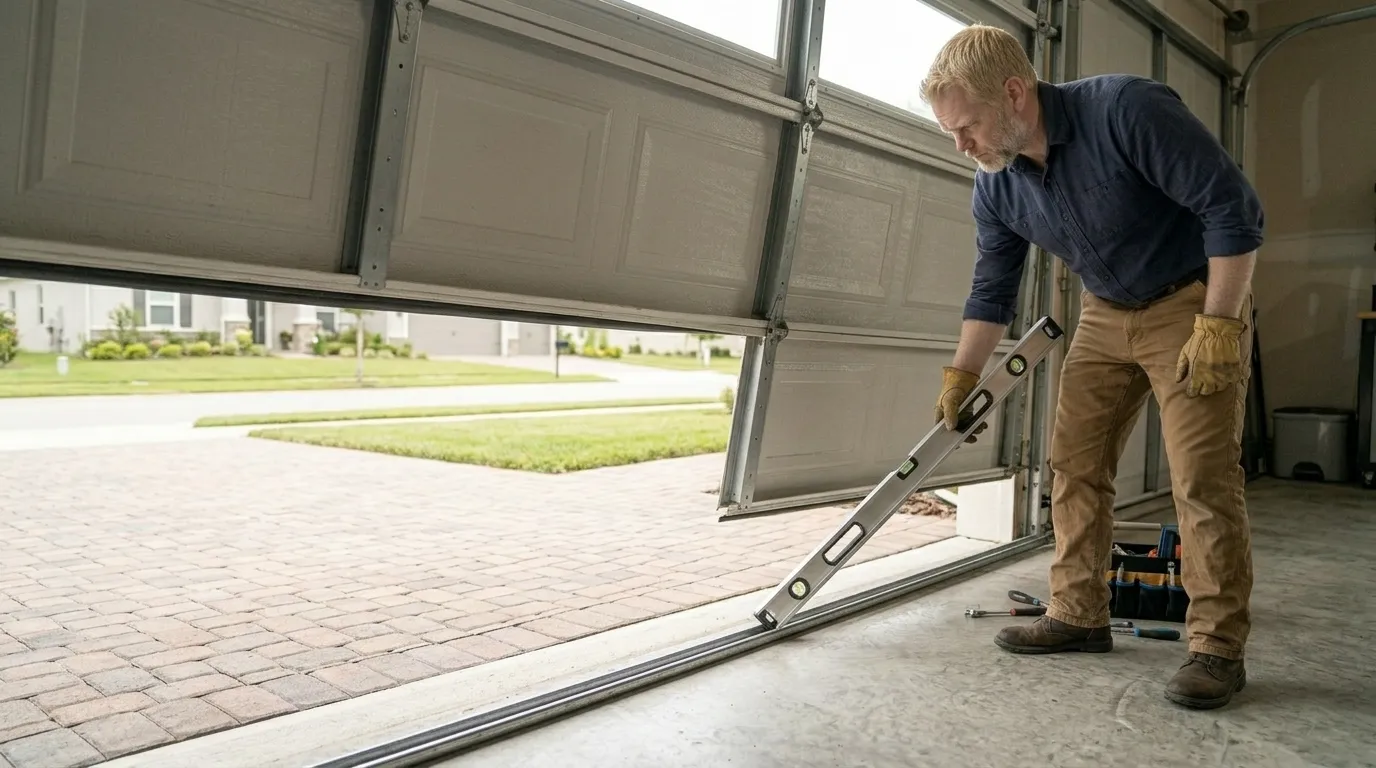
Frequently Asked Questions
Why does my garage door in Dumont keep needing spring repairs?
A lot of Dumont's homes date to around 1952, built with side-mount extension springs rather than the torsion systems that became standard later. Extension springs tend to fail suddenly and wear out faster under repeated stress, especially if the opener has been compensating for reduced spring tension for a while before the failure.
Do you have a location in Dumont?
No. Wyckoff Garage Door Pros is based in Wyckoff, about 10 miles from Dumont, and we travel out for service calls. We don't keep a depot or staff stationed in town.
Is it worth replacing an old opener instead of repairing it?
It depends on the door it's attached to. If the opener was retrofitted onto an original 1950s-era door without matching the door's actual weight, repairing the opener alone often just delays the same failure. We look at the door and hardware together before recommending repair versus replacement.
Can you match old hardware on a door this old?
Sometimes, but not always. Some original drum and rail hardware from the early 1950s isn't manufactured anymore. When we can't source a match, we'll tell you plainly and recommend replacing the affected assembly rather than guessing at a fit.
Get Your Door Fixed in Dumont
Call now for same-area service.