Wyckoff, NJ · Garage Door Service
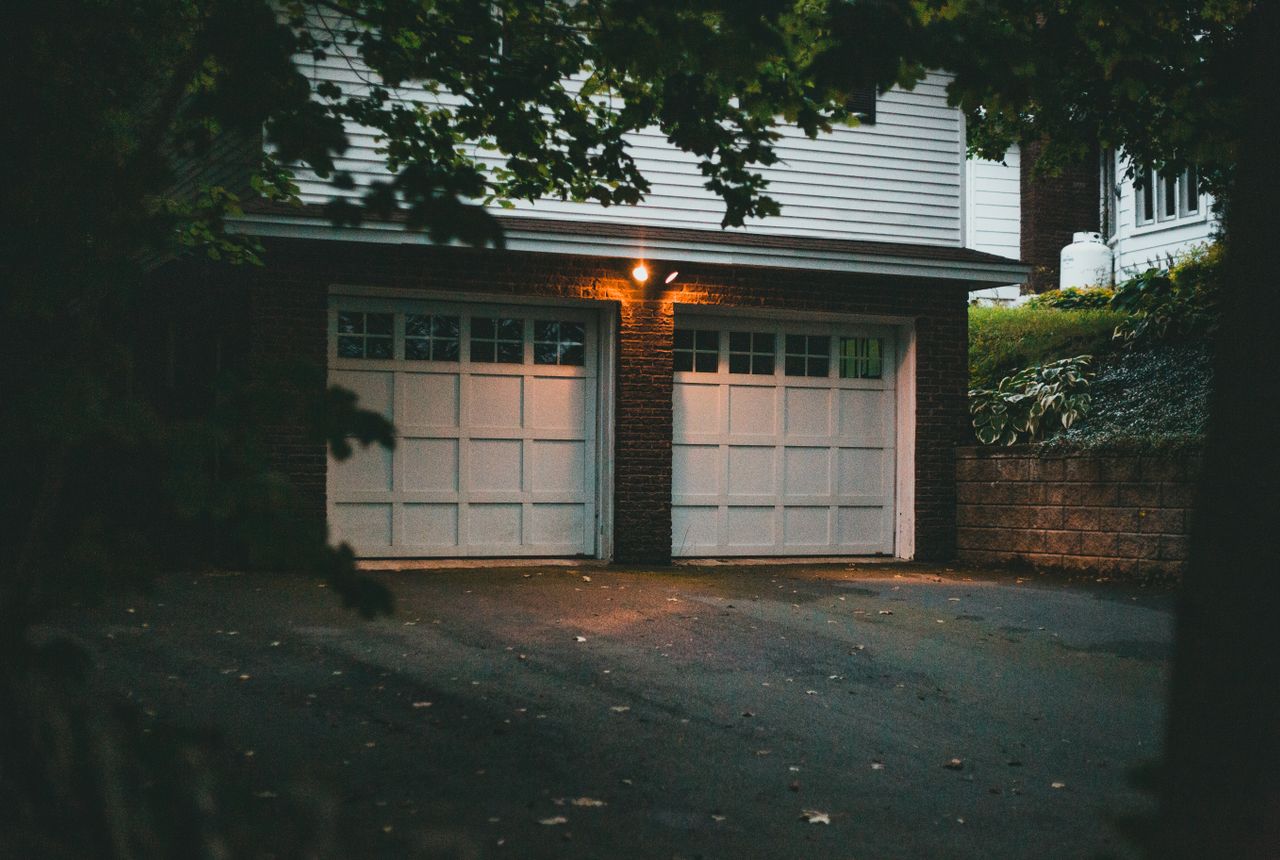
Wyckoff homes built mostly in the 1960s split between attached and detached garages, and that changes how cold hits the door. Here's what to watch for on each.
If your detached garage door is dragging, binding, or the opener strains and reverses on its own, that's usually a spring or track problem, not something to keep forcing through. Detached structures in Wyckoff tend to be original outbuildings from the same build era as the house - often 1960s framing that has settled independently of the main house's foundation. That settling shows up as a door that's slightly out of square, and a homeowner can waste a season adjusting the opener's force settings before realizing the track itself has racked.
On an attached garage, the warning sign is different: cold air coming through the house wall next to the garage, or condensation on the inside of the door in January. That's a seal or insulation issue, not a hardware failure, and it's worth a look before a pipe near that wall freezes.
Call someone when the door won't stay up on its own (spring), when it reverses before touching the floor (sensor or force setting), or when a panel has visibly bowed after a cold snap. We don't do foundation or framing repair - if a detached garage's slab has heaved enough to throw the whole opening out of square, that's a structural fix first, door repair second.
Wyckoff's housing stock runs 1938 to 1996 with a median build year around 1960, which puts most garages - attached or detached - at 60-plus years old with whatever door and track hardware came with that era, upgraded piecemeal since. A detached garage from that period was usually built as a simple single- or double-bay structure with its own slab, separate from the house's foundation and often without any insulation in the door or the structure around it.
An attached garage from the same build years is a different animal: it shares a wall with living space, so its door and its weatherstripping are doing double duty - keeping weather out and keeping the temperature swing in the garage from reaching whoever sleeps on the other side of that wall.
Across the wider area, roughly 291,433 of 921,135 households are owner-occupied houses, the kind of housing where this attached/detached split actually matters day to day rather than being a landlord's problem. The practical difference: a detached door failure is inconvenient. An attached door failure next to a bedroom wall is a comfort and sometimes a moisture problem, not just an access problem.
Winter is the season that separates the two types. In a cold-climate winter, a detached garage door has no heat source on either side of it, so the panel and the track hardware sit at outdoor temperature all season - springs stiffen, lubricant thickens, and a marginal roller shows its wear fast. An attached garage door, by contrast, gets some heat bleed from the house, so hardware issues show up later but insulation gaps show up sooner, as frost on the inside of the panel or a cold floor near the shared wall.
Spring brings thaw-freeze cycling that's harder on a detached slab, since it moves independently of the house and can heave unevenly, throwing the door's alignment off just enough to make the opener strain.
Summer humidity swells wood panels on older detached doors more than it does on attached ones, since attached garages usually run slightly drier from house-side heat.
Fall is the window to catch both before winter: lubricate track and rollers, check weatherstripping on the attached door's house-side seal, and confirm the detached door's springs aren't already showing rust or gap under load.
This area sits in a cold, severe winter climate band, and that cold doesn't treat every garage the same. A detached garage in Wyckoff is essentially an unheated outbuilding - the door, the springs, and the track all sit exposed to the full swing of outdoor temperature with nothing to buffer it. That's why torsion springs on detached doors here tend to show fatigue and rust a few years earlier than the same spring on an attached door in the same neighborhood.
An attached garage door gets partial benefit from house heat leaking through the shared wall, which softens the cold on the hardware but raises a different issue: condensation. Moist house air meeting a cold steel door panel in January is what causes rust to start at the bottom panel seams on attached doors specifically, rather than at the springs.
Given that most homes here date to the 1938-1996 build window, a lot of these doors and their tracks are original or first-replacement units never sized for the load or insulation standards used today. We're not going to tell you every old door needs replacing - plenty of them are fine with a spring swap and fresh lubrication - but if the panel itself is bowed or rusted through, replacement is the honest answer over another patch repair.
Not a different door model necessarily, but the hardware wears differently. A detached garage has no heat buffer at all, so springs and rollers on a detached door tend to stiffen and fatigue sooner in our cold winters than the same parts on an attached door that gets some warmth off the house wall.
That's condensation from house-side humidity meeting a cold steel panel, common in attached garages built in the 1960s era common to this area, where insulation and vapor barriers weren't standard. It's usually a weatherstripping and ventilation fix, not a door replacement, unless rust has already started at the panel seams.
Depends on use. If it's just storage and a car, an insulated panel helps less since there's no heat source to hold in. If you've converted the space or run it as a workshop, insulating pays off fast in a cold-severe climate like this one. We can look at the specific door and tell you honestly whether it's worth it.
Call now or request a free quote - same-day service on most repairs, upfront written pricing.